
GHG Satellites Focus on 21% Methane Emissions from O&G, Ignore 79%
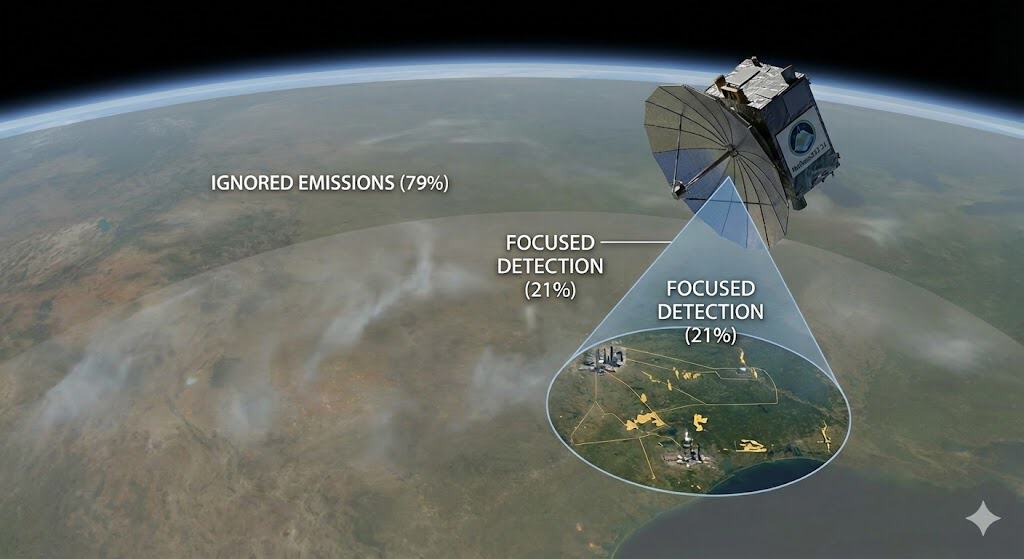 Private satellites are "revolutionizing" the tracking of methane, a supposed greenhouse gas, by pinpointing emissions from specific oil, gas, and coal facilities globally. Using high-resolution data from the GHGSat constellation of 15 methane satellites, researchers have identified over 3,000 individual sites releasing approximately 9 million tons of methane annually. This new method "bridges the gap" between broad national estimates and on-the-ground measurements, revealing that emissions are often intermittent and harder to track than previously thought. With top emitters in countries such as Turkmenistan, the U.S., and China, these detailed satellite observations provide crucial data to guide targeted mitigation efforts and improve climate change predictions. Just one teeny, tiny problem: GHGSat is looking at 21% of fugitive methane emissions and IGNORING the vast majority of fugitive emissions from other sources. Why?
To view this content, log into your member account. (Not a member? Join Today!)