
H&H Drilling Plan for Upper Burrell Still on Pause, Some Progress
 Huntley & Huntley has plans to drill shale wells in Upper Burrell Township (Westmoreland County), PA. As MDN reported in June, a landowner in Upper Burrell filed an appeal against Upper Burrell’s zoning ordinance that allows drilling in rural, agricultural districts (see Westmoreland Zoning Challenge Heads to Court, Delays H&H Drilling). H&H plans to drill a well near where the woman lives, and she’s arguing such drilling will violate the state’s environmental rights clause and “devalue her property.” The case was supposed to go to township’s Zoning Hearing Board, but all of the (many) lawyers involved agreed to instead move it to county court, making the process faster and less expensive. The same woman then sued the town claiming the town’s very right to issue conditional use permits in agricultural-residential districts is unconstitutional (see Frivolous Lawsuit Delays H&H Drilling in Westmoreland County, PA). Even though legal wrangling may prevent a final outcome any time soon, the town is moving forward anyway. The Upper Burrell Planning Commission voted yesterday to approve H&H’s drilling plans, passing it back to the board of supervisors for a final sign-off…
Read More “H&H Drilling Plan for Upper Burrell Still on Pause, Some Progress”

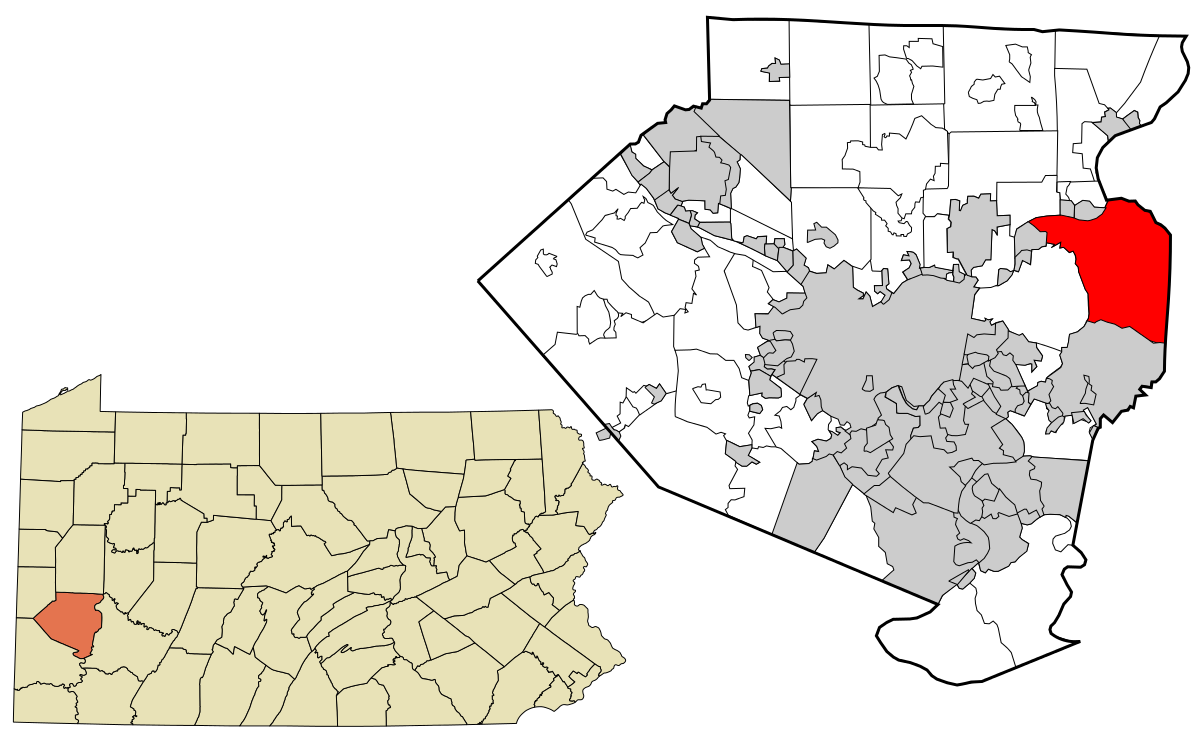
 Monroeville, PA (Allegheny County, suburb of Pittsburgh) voted last night to restrict seismic testing within municipal boundaries–a move meant to restrict future shale well drilling in the area by Huntley & Huntley. In a July story, MDN brought you the news that Cougar Land Services, a subcontractor working with Huntley & Huntley, is planning to conduct seismic testing in two rural areas of the municipality, including “small portions” of Monroeville’s northernmost and southernmost tips (see
  What a difference two months–and the very real threat of a lawsuit–can make. At the end of July Penn Hills (in Allegheny County, near Pittsburgh) voted to ban seismic testing in their community as a symbolic action “meant to send a message to companies that the municipality is against oil and gas activities on Penn Hills property.” Driller Huntley & Huntley has hired Texas-based Geokinetics to conduct seismic testing in the region and had wanted to conduct testing on 37 municipal-owned properties in Penn Hills, about 390 acres total. But Penn Hills resisted. So H&H’s attorneys at Steptoe & Johnson sent a “we’ll sue your rear-ends” letter and that got the attention of the symbolizers. Last night another vote was taken. This time it was 5 to 0 in favor of allowing seismic testing after all. The mayor (grumbling) said the municipality did it’s best to resist…
 According to the Wall Street Journal, private equity firm Blackstone Group has invested $7 billion in U.S. natural gas. The way the Journal puts it, Blackstone is “betting” $7 billion, implying it’s a risky roll of the dice. A seriously big chunk of that investment was the recent announcement that Blackstone has bought part ownership of Rover Pipeline for $1.57 billion (see
  Huntley & Huntley has plans to drill shale wells in Upper Burrell Township (Westmoreland County), PA. As MDN reported in June, a landowner in Upper Burrell filed an appeal against Upper Burrell’s zoning ordinance that allows drilling in rural, agricultural districts (see
 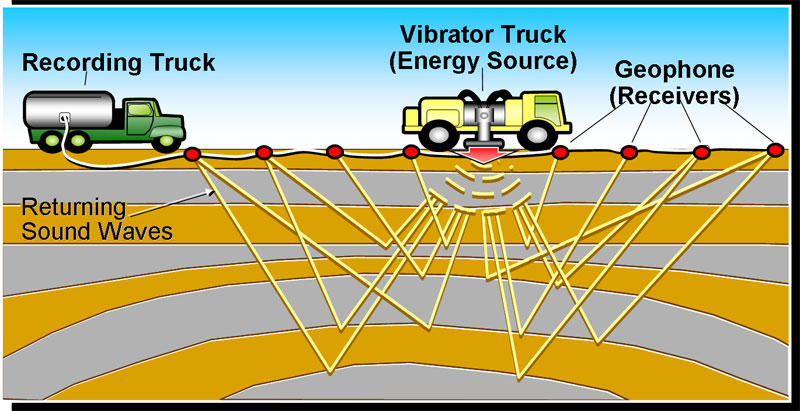 In June MDN brought you news about a move by the Borough of Oakmont (suburb close to Pittsburgh, northeast side of the city) to regulate seismic testing in the Borough, essentially to prevent it from happening by Huntley & Huntley (see
  Huntley & Huntley has plans to drill shale wells in Upper Burrell Township (Westmoreland County), PA. As MDN reported in June, a landowner in Upper Burrell filed an appeal against Upper Burrell’s zoning ordinance that allows drilling in rural, agricultural districts (see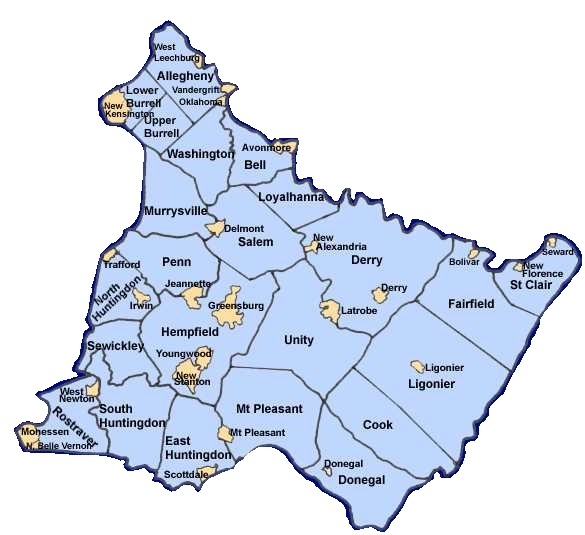
 In May 2016, MDN told you that the Penn Township (in Westmoreland County, PA) zoning board voted to refuse to grant a permit to Apex Energy to build a DEP-permitted well pad in the town (see
  The issue of “setbacks” has always been a contentious issue when it comes to oil and gas drilling. A setback is the distance from a well to nearby structures–like water wells, homes, schools, whatever. In Pennsylvania the state law requires a minimum of 500 feet between a well and nearby structures. But here’s the thing: Do you measure the distance (as drillers maintain) from the bore hole drilled into the ground? Or from the edge of the well pad? A pad is typically 3-5 acres, and if you measure from the edge of the pad, the “actual” distance from the well to a nearby structure may be 1,000 feet instead of 500 feet. Some argue that measuring from the edge of the pad makes more sense–to protect nearby residents from noise, lights, air emissions, etc. But drillers in some locations are hamstrung, especially if the the location where they drill is on a slope or other tough terrain. Measuring from the edge of the pad may mean not drilling at all. It is that very issue now being debated in Murrysville, in Westmoreland County, PA (near Pittsburgh). It is a wisdom of Solomon kind of issue…