 A farmer who raises Angus beef cattle in East Millsboro (Fayette County), PA, in the southwestern corner of the state, claims that a shale well drilled on his property in 2010 by Atlas Energy (now owned by Chevron) created a “seep” that is affecting the health of his cattle. A seep is a place where water/liquids leak out of the ground. Soon after the well was drilled the farmer began to have trouble with his yearling heifers not getting pregnant. For those grazing near the well, only half got pregnant. The farmer then kept his herd from grazing near the well and noticed the pregnancy rate went from half to 100%–except for those who had previously grazed near the well. They continue to struggle with no pregnancies and miscarriages. All of which sounds like conclusive evidence that there is a problem with the well leaking something into the environment. However, both Chevron and the state Dept. of Environmental Protection have investigated and have not found any evidence that the well is impacting the health of the farmer’s herd. What do you do in a case like that?…
Read More “SWPA Farmer Claims Shale Damaged Cattle Health, Reproduction”

 You can’t miss the breathless headlines, many of which are misleading, that big oil and gas companies are beginning to force employees to get vaccinated for COVID-19. What’s missing from the headlines, especially those touting Chevron’s new vaccine mandate, is the all-important word “some,” as in “some” employees who work in tight quarters for long periods (like offshore platforms) are being required to get vaccinated.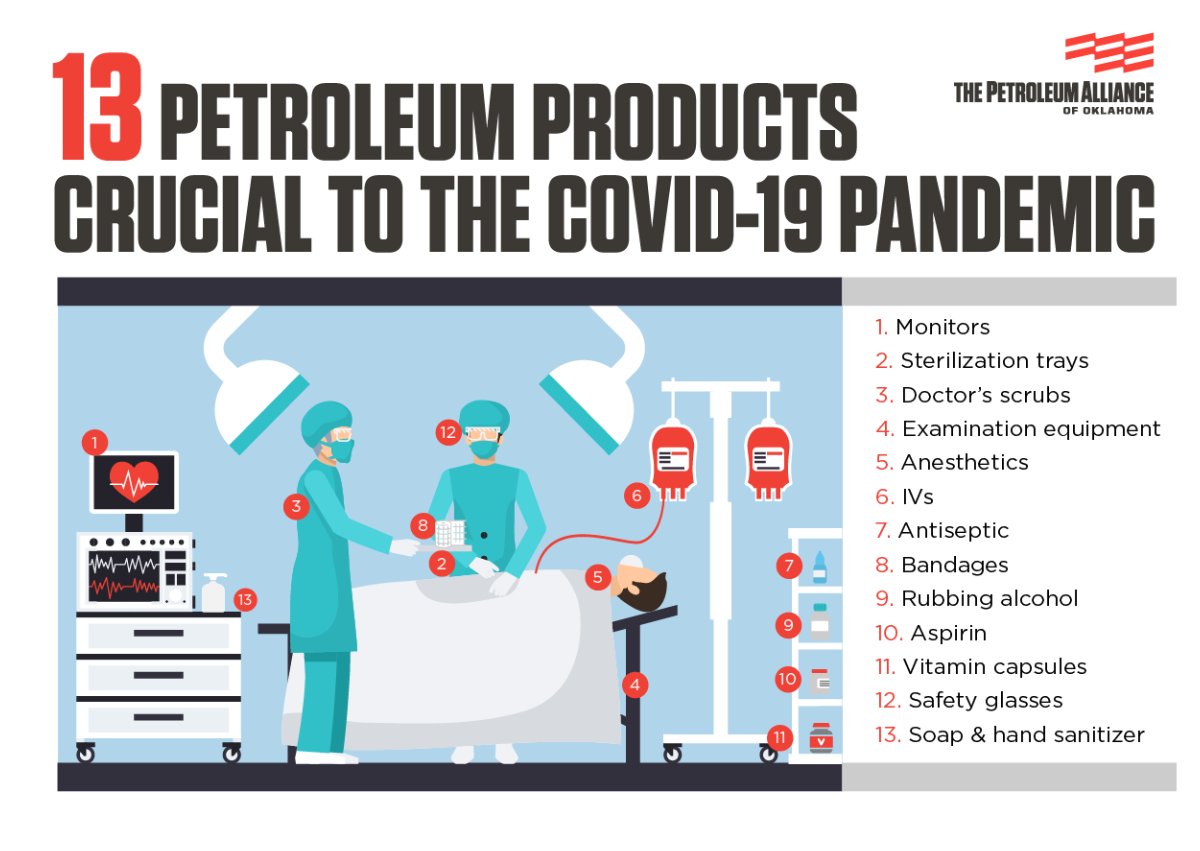
 What is it about Yale University researchers and their obsession with sexually transmitted diseases? It seems like an unhealthy obsession to us. The same Yale brain trust that brought us a sham “study” in 2018 that said fracking causes STDs in Ohio (see
  Pennsylvania Gov. Tom Wolf, a liberal Democrat who sometimes supports the shale gas industry (as long as he can tax it) has caved to demands from the Pittsburgh Post-Gazette to launch a “study” in a bid to “prove” cases of childhood cancer in southwestern PA can be tied to shale drilling in the region. A pair of studies, actually. The studies won’t be completed for three years, after Wolf is out of office, so he gets credit for caring, but he won’t be around for the fallout when it happens.
 Here’s how it works for Pittsburgh Post-Gazette “reporters” Don Hopey and David Templeton. A group of fellow travelers who hate the fossil fuel (shale) industry as much as they do gather at a small, pre-announced meeting, preferably at a school, and make wild, unsubstantiated, frankly reckless (actionable?) accusations against the “hated” shale drilling industry. Stenographers Hopey and Templeton are there to record it all and share it with the general public. That’s what happened yesterday at meeting in Washington County, PA.
 A paid political activist who is not a doctor but works for the so-called Physicians for Social Responsibility (left wing group), told a hearing in Murrysville (Westmoreland County), PA on Wednesday that she could not prove fracking leads to negative health affects on those living near the activity, but in the very next breath she essentially said it does, saying there’s a “strong correlation” between fracking an ill health. Her proof? A list of Big Green-paid for “health studies” (propaganda campaigns).
 Another so-called “study” has appeared bashing Pennsylvania Marcellus fracking. This one is co-authored by a global warming Kool Aid drinker affiliated with the Post Carbon Institute, making the claim pregnant women in Pennsylvania have a 4% higher chance of becoming anxious and/or depressed if they live near fracking activities. How these people are not laughed out of any room they walk into is beyond us.
 The Pittsburgh Post-Gazette newspaper has engaged in a months-long smear campaign to imply the shale industry in southwestern PA is guilty of causing a “cluster” of rare childhood cancers–even though there’s an old uranium dump in the same vicinity as those cancer clusters (see
  A group of enviro-Nazis has sunk to a new low in their holy mission to block Marcellus Shale drilling. A group of colluding Big Green groups along with sympathetic (and sycophantic) “reporters” (i.e propagandists) from the Pittsburgh Post-Gazette are exploiting the pain and suffering of southwestern PA families of children who have cancer in their attempt to stop shale drilling. It’s disgusting and sick.
 Every year or two another fraudulent piece of “research” is released supposedly showing a connection between fracking and health issues. Last March Yale released a nonsense study that says fracking causes STDs (see
  EPA Chief Andrew Wheeler wasn’t the only speaker at yesterday’s Shale Insight event in Pittsburgh (see EPA Head Andrew Wheeler Addresses Shale Insight re “New EPA”). There were a number of other sessions addressing issues from the technical to the philosophical. A speaker from XTO Energy said the Utica Shale is only just getting started and the potential of the Utica “enormous.” A panel spoke to the critical nature of pipelines and addressed the issue of how we can better “tell our story” to the public with respect to pipelines. And another panel discussed whether and how natural gas development is affecting public health. Here’s a few select reports.
 What a shame that a university with one of the best reputations in the world, Yale, has sunk this low–to pedal yet another so-called study that claims where there is fracking in the Ohio Utica, there’s also a higher incidence of sexually transmitted diseases (STDs) like gonorrhea and chlamydia. This isn’t the first “fracking causes STDs” study. Antis have issued these “studies” for years (see
  In 2011, then-Gov. Tom Corbett’s Marcellus Shale Advisory Commission filed a final report with 96 recommendations (see