
Anti-Drilling/Fossil Fuel | Bradford County | CNG/LNG | Energy Services | Exporting | Industrywide Issues | Lackawanna County | New Fortress Energy | Pennsylvania
Scranton Newspaper Whips Up Town Opposition to NFE LNG Plant
 The anti-fossil fuel zealots at the Scranton Times-Tribune (in Lackawanna County, PA) are doing their darnedest to try and stop an $800 million LNG liquefaction plant (generating hundreds of jobs) planned for nearby Bradford County. On Monday we told you the zealots were attempting to whip up a frenzy of opposition to the plant, based on trucks that would travel through the borough of Clarks Summit, a suburb of Scranton (see New Fortress Energy LNG from NEPA to NJ Truck Route Revealed). Looks like it worked. The Times-Tribune has scared the bejesus out of Clarks Summit and the borough council has passed a resolution opposing the plant.
Read More “Scranton Newspaper Whips Up Town Opposition to NFE LNG Plant”
 The leftists who run and write the Scranton Times-Tribune are at it again–doing anything and everything they can to destroy the Marcellus industry that singlehandedly has created more new jobs and raised the standard of living for more people in northeastern PA than any other industry in the past generation–the Marcellus industry. The new target for Times-Tribune is a proposed $800 million LNG liquefaction plant in Wyalusing, PA (in nearby Bradford County). The Times-Tribune editors say the plan to build the plant and transport the LNG via rail is too “risky” and northeast PA will be just fine without an extra $800 million and hundreds of jobs. Dopes.
 Pennsylvania’s largest natural gas-fired electric plant, Invenergy’s 1,480 megawatt, $1 billion project called the Lackawanna Energy Center, has been completely done and fully online since earlier this year (see
  Invenergy’s 1,480 megawatt, $1 billion Marcellus gas-fired electric plant, called the Lackawanna Energy Center (located near Scranton, PA), is now 100% done with construction. Yesterday the company celebrated the end of construction with a special ceremony and tour.
 Yesterday two northeast Pennsylvania legislators–state Representative Aaron Kaufer (Republican) and state Senator John Yudichak (Democrat)–hosted a rally to promote proposed new bipartisan legislation aimed at luring a “world-class” petrochemical manufacturing plant to the Scranton/Wilkes-Barre area. A big plant, on the order of the Shell cracker plant in southwestern PA. But no, not an ethane cracker. The kind of plant the two legislators want to attract in northeastern PA would leverage the huge volume of locally extracted Marcellus dry gas (i.e. methane).
 A landowner in Jessup Borough (Lackawanna County, PA, near Scranton) has filed a lawsuit against the Borough Council as a whole (and the individuals who serve on it), claiming they rezoned the landowner’s property, cutting them out of millions of dollars, as retribution because the landowner had the audacity to sell property to the Marcellus gas-fired Lackawanna Energy Center (LEC) power plant.

 The radical group Citizens for a Healthy Jessup is floating a plan to try and prevent any new Marcellus gas-fired electric plants from getting built in the Keystone State. Aided and abetted by a corrupt local newspaper, the group tries to pass itself off as a collection of local concerned citizens. It’s nothing of the sort.
 Pennsylvania’s largest operating natural-gas fired electric generating plant, Lackawanna Energy Center (LEC) near Scranton (in Jessup), will soon receive a permit officially allowing and capping sulfur dioxide emissions from the plant. Should nearby residents be concerned?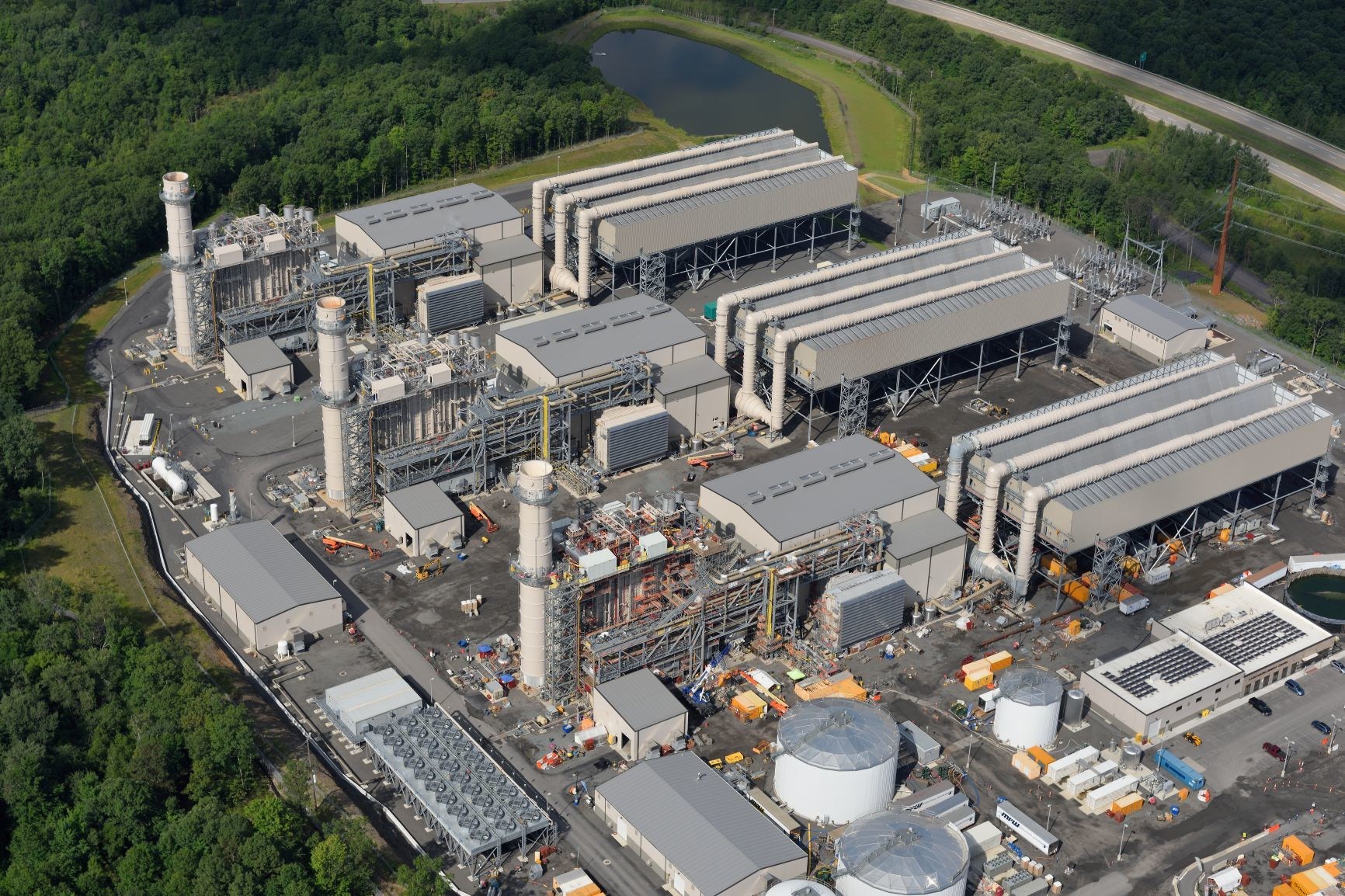
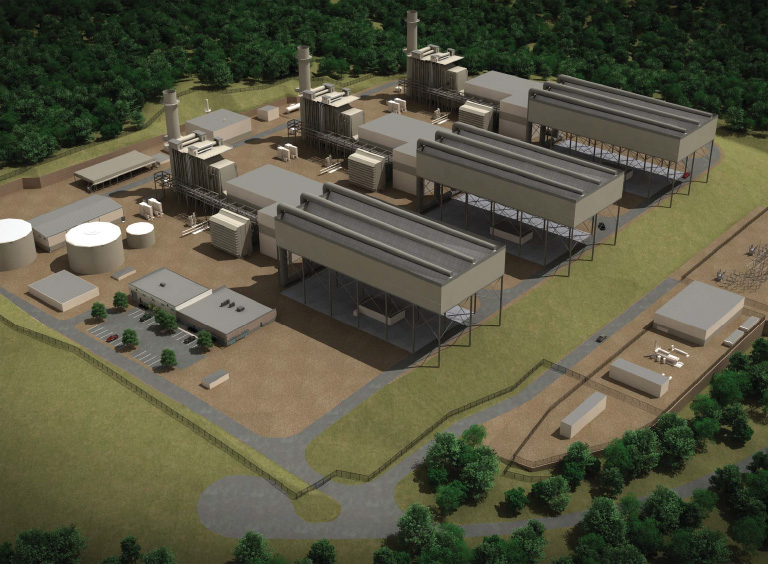 On Sunday, Dec. 23, residents living near the Lackawanna Energy Center (LEC) in Jessup, PA (near Scranton) woke to a loud noise that sounded like a jet engine–and the release of natural gas into the air.
 Antis on the Jessup (near Scranton, PA) Town Council delight in grilling officials from the Lackawanna Energy Center (LEC) at each monthly board meeting. LEC is a 1,480 megawatt, $1 billion Marcellus gas-fired electric plant still under construction, now 97% complete. When the plant is done it will be Pennsylvania’s largest natural gas-fired electric generating plant. The plant is being built in three trains or units. The first train/unit was done and online producing electricity since June–despite the efforts of a local group of antis who seized power of the local town board last November (see