
Trump Announces Largest-Ever U.S. Gas-Fired Plant Coming to Ohio
 President Donald Trump unveiled the first projects under a $550 billion trade deal with Japan yesterday, including a $36 billion investment in U.S. energy and minerals. In exchange for a 15% reduction in tariffs on imports, Tokyo will fund initiatives in Texas, Ohio, and Georgia to revitalize the industrial base. The centerpiece is a record-breaking $33 billion natural gas power plant in Piketon (Pike County), Ohio, operated by SoftBank’s SB Energy. This 9.2-gigawatt facility—the largest in U.S. history—is designed to create thousands of jobs and support the surging energy needs of data centers and artificial intelligence applications. It will produce enough electricity to power every single home in Ohio! It’s massive. [NOTE: A previous version of this story incorrectly identified the location as Scioto County.] Read More “Trump Announces Largest-Ever U.S. Gas-Fired Plant Coming to Ohio”
 Energy Transfer LP (ET) owns and operates one of the largest and most diversified portfolios of energy assets in the U.S., with approximately 140,000 miles of pipeline and associated energy infrastructure. ET’s strategic network spans 44 states, with assets in all major U.S. production basins, including the Marcellus/Utica. The company issued its fourth quarter 2025 update yesterday. Based on the 4Q earnings call transcript and presentation, ET continues to view the M-U (Appalachian) region as a “great business” and remains the “dominating player” in natural gas liquids (NGL) in the M-U (and nationwide).
  In early 2024, we reported that Penn America Energy CEO Franc James, the potential builder of the proposed Penn LNG export facility in the Philadelphia area, said that he “pumped the brakes” on the project but that it wasn’t dead yet (see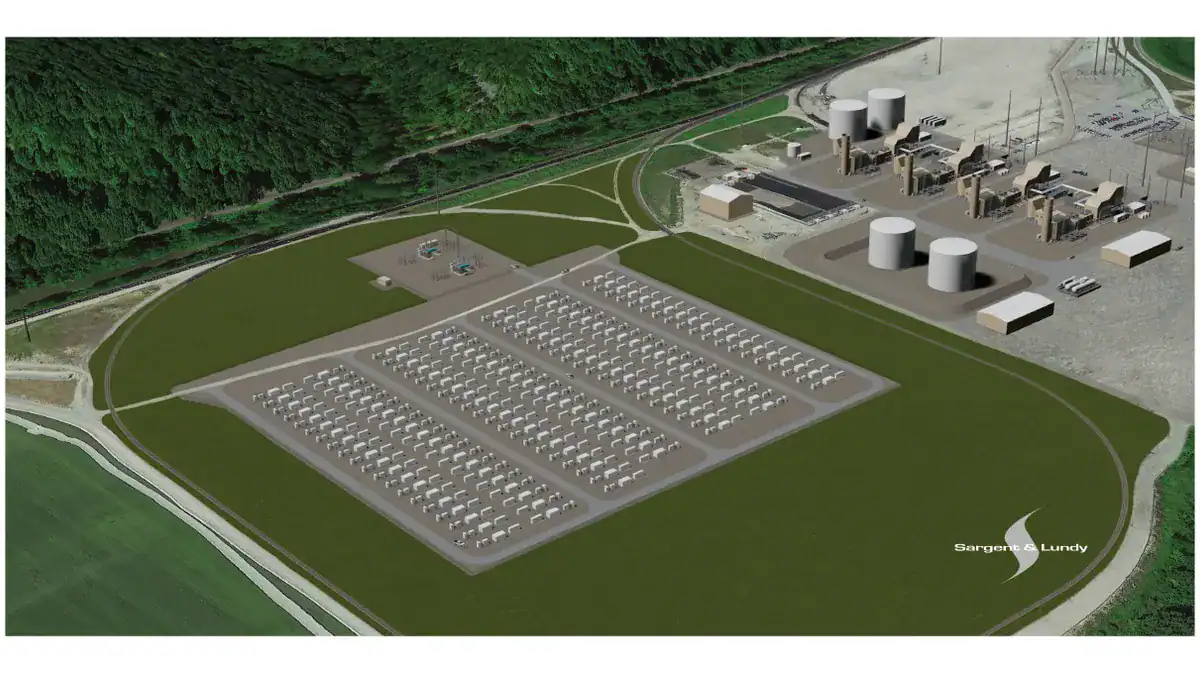
 This is disappointing. The United Mine Workers of America (UMWA) held a press conference yesterday in Charleston, WV, to oppose new natural gas power plants in West Virginia, citing concerns over coal job losses and community instability. UMW International President Brian Sanson criticized proposed projects by Mon Power and FirstEnergy, arguing that these gas-fired facilities threaten thousands of mining careers while providing only “temporary” construction jobs and minimal permanent staffing. He is urging state and federal lawmakers to enact codified legal protections for the coal industry.
  Yesterday, CNX Resources announced it is issuing new “notes” (we call them IOUs) to raise money to buy back and redeem other notes coming due soon. The old notes are due in 2029. The new notes would be due and payable in 2034. CNX is “rolling over debt,” a common practice among large corporations, especially in capital-intensive industries such as energy and natural gas production. The company hopes to raise $500 million with the new notes to pay off the old ones. The question is, why do companies do this? Why keep rolling over debt every few years?
 OTHER U.S. REGIONS: Dems praise “energy pragmatism” forced by their own green failures; Newsom targets Big Oil abroad while CA relies on global detours; Winter storms rapidly drain U.S. natural gas inventories; NATIONAL: U.S. natural gas snaps three-session winning streak; Analyst says bearish gas risks growing; Prime Power launches always-on energy for data centers; Maritime exports of petroleum products increased in January 2026; U.S. LNG feedgas demand continues to rise; U.S. LNG is America’s engine of growth and security; INTERNATIONAL: Crude dips on Iran deal signals; Miliband ‘aiding Putin’ by concreting over UK fracking sites.