LNG Feedgas Breaks 20 Bcf/d Barrier as Marcellus Gas Returns on MXP
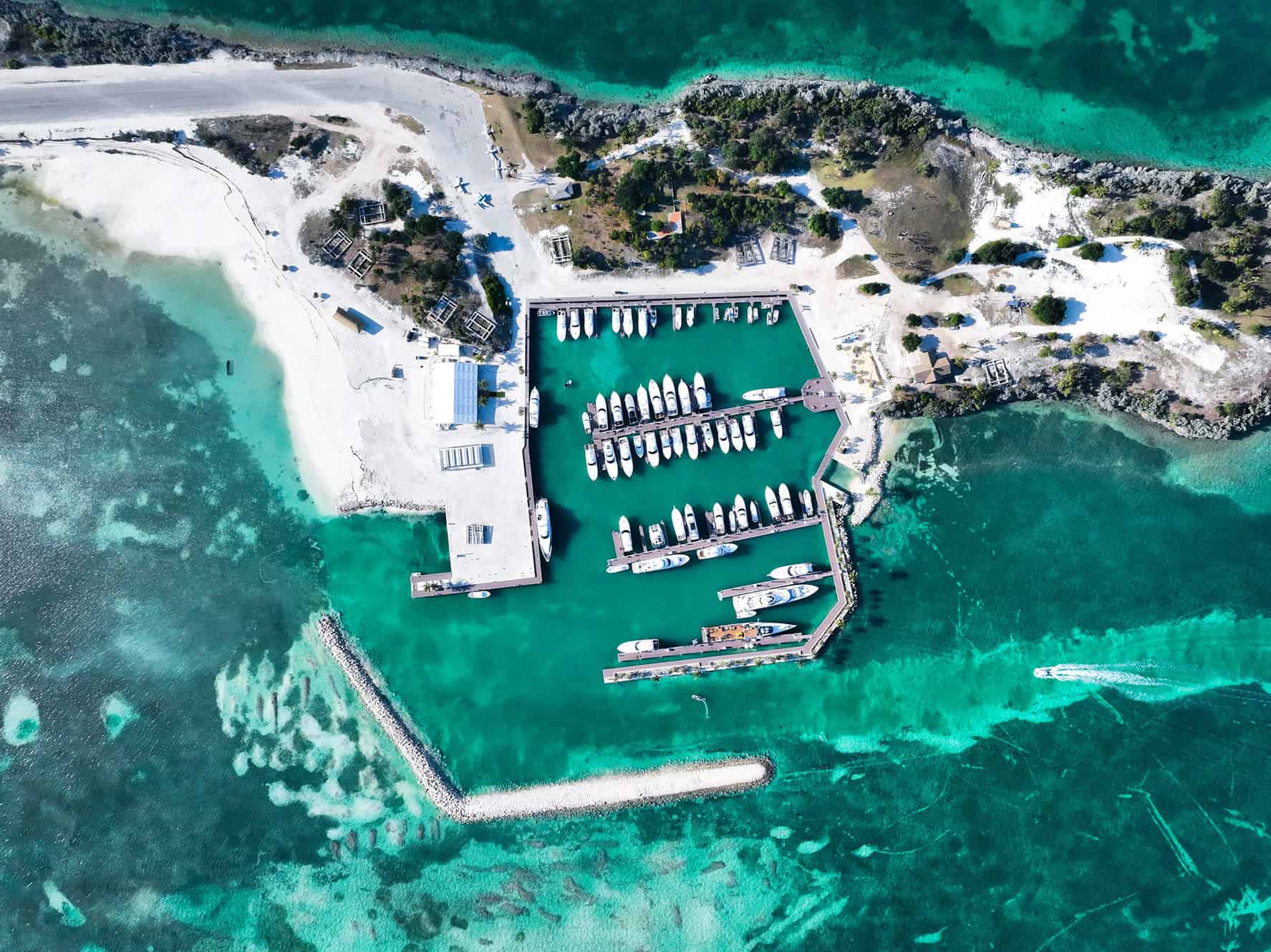
 It’s official, or at least as official as these things get. America’s LNG export plants are drinking more natural gas than ever before. Two separate data trackers now say feedgas, the gas piped into LNG plants to be supercooled into a liquid and loaded onto ships, has set a new all-time high above 20 Bcf/d (billion cubic feet per day). NGI clocked 20.7 Bcf/d on Monday, the third straight day above its prior record. RBN Energy says feedgas has topped 20 Bcf/d for the first time ever. The milestone comes almost exactly a decade after the first LNG cargo left Cheniere’s Sabine Pass terminal in 2016. It also arrived just as a big chunk of Marcellus gas came back online after a leak on TC Energy’s Mountaineer XPress (MXP) pipeline in West Virginia. Read More “LNG Feedgas Breaks 20 Bcf/d Barrier as Marcellus Gas Returns on MXP”
 On Monday, gas buyers in Europe paid $28.91 per MMBtu for natural gas. Buyers in Japan and South Korea paid $30.01. Here at home, the November contract at Louisiana’s Henry Hub (the U.S. benchmark) closed at about $3.06. And last Thursday, gas sold at Texas Eastern M-2, the main price point for southwestern Pennsylvania, West Virginia and Ohio, fetched just $1.055. Same molecule of methane. Europe and Asia are paying nearly 10 times what the rest of America gets, and about 27 times what our Appalachian gas sold for last week. Why the giant gap? And what does it mean for your royalty check?
  Last Thursday, in a unanimous 5-0 vote, the Federal Energy Regulatory Commission (FERC) proposed something it has twice before refused to do: create a “blanket” authorization program for LNG plants. That’s regulatory-speak for letting LNG export terminals (and the smaller LNG “peak shaver” storage plants up here in the Northeast) make upgrades, swap out equipment, boost capacity, and even build new liquefaction trains, tanks, and marine berths without begging FERC for a separate, case-by-case order each time. Interstate pipelines have had a blanket program like this since 1982. LNG never did. FERC Chairman Laura Swett called it “historic,” and for once the word fits. The proposal is a notice of proposed rulemaking (NOPR), not a final rule, and the usual suspects are already lining up against it, including nine blue-state attorneys general. But if it goes through, more gas gets out the door faster, and that’s good news for the Marcellus/Utica.
  Europe blinked. On Wednesday, the European Commission (the EU’s executive branch) proposed delaying its world-first methane rules for imported oil, natural gas, and coal by one year. The rules were set to kick in on January 1, 2027. Under the new proposal, they won’t start until 2028. That’s good news for U.S. LNG (liquefied natural gas) exporters, which supply more than half of Europe’s LNG, and, by extension, for the drillers and royalty owners whose gas feeds those export plants. Pressure came from France, the U.S., many EU countries, and the oil and gas industry. Big Green, as you’d expect, is having a meltdown. The delay still needs a thumbs-up from the European Parliament and EU member governments, and some want a longer, three-year pause.
 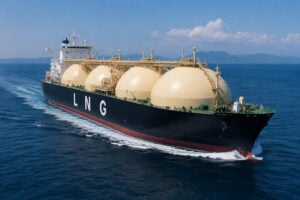 Good news for Marcellus/Utica drillers and the landowners who collect royalty checks from them: Cove Point LNG, the export terminal in Maryland that runs on our gas, is back in business after its annual 23-day maintenance break. Add the return of a Freeport LNG train in Texas and a record run at the new Golden Pass LNG plant, and U.S. “feedgas” (the natural gas piped into LNG plants to be chilled into a liquid and shipped overseas) jumped to 19.7 Bcf/d on Tuesday, the highest level since April. That’s billion cubic feet per day, for those keeping score at home.
  The Natural Gas Supply Association (NGSA) released its 26th annual Winter Outlook yesterday, and the bottom line is music to the ears of anyone who pays a heating bill: NGSA sees “downward market pressure” on natural gas prices this winter compared to last. Henry Hub futures for November through March average $3.43 per MMBtu, down $1.08 (23.9%) from $4.51/MMBtu realized last winter. That’s less happy news for landowners hoping for fat royalty checks. But buried on page 5 of the report is a nugget every MDN reader should notice: last winter, while nearly every other U.S. shale basin grew, Marcellus and Utica production actually shrank. The reason? Pipes. Or rather, the lack of them.
  Expand Energy, the country’s largest natural gas producer, opened
  Back in March, a delegation of European heavyweights came to Pittsburgh with their shopping bags, looking to buy more U.S. LNG. Leading the charge was Jovita Neliupšiene, a Lithuanian who now serves as the EU’s ambassador to the U.S. Looks like they found what they were shopping for — in Pittsburgh. Lithuanian state-owned energy company Ignitis has picked a subsidiary of Pittsburgh-based EQT Corporation, one of the largest U.S. natural gas producers, to supply it with 10 cargoes of liquefied natural gas (LNG) — one per year from 2027 through 2036. EQT beat out other bidders in a competitive tender. It’s the first long-term gas supply contract between Ignitis and a U.S. company. Small deal? Yes. Symbolic deal? Very much so.
  Appalachian spot natural gas prices just fell off a cliff. Texas Eastern M-2 — the benchmark hub for Marcellus/Utica gas — dropped 41.5 cents to average $1.245/MMBtu for weekend and Monday deliveries, with some trades printing as low as $1.020, according to NGI (
 A small liquefied natural gas (LNG) plant in Medley, Florida — just outside Miami — is now trucking rocket fuel up the peninsula to Cape Canaveral. Sawgrass LNG & Power announced last Thursday that it has begun supplying LNG to an unnamed “aerospace customer” at the Cape, with the first deliveries completed in August. We’ve written about this plant before, and the interesting question for MDN readers is the same one we asked in April 2025: are any of those molecules ours?
  Precision Drilling, the Calgary-based rig contractor that says it’s the #2 drilling company-for-hire in the Marcellus, announced on Sept. 16 that it will keep buying back its own stock for another year. Yawn, right? Stick with us. The buyback is the boring part. The interesting part is the investor presentation Precision put out this month, which lays out why the company thinks gas drilling for LNG exports will keep its rigs busy for years, and why the price of renting a rig is heading up.
  Four months after pulling the trigger on its $13 billion Commonwealth LNG export plant in Cameron Parish, Louisiana (see
  Back in March, MDN told you that New Fortress Energy (NFE) had entered a voluntary UK Restructuring Plan — the British cousin of a U.S. prepackaged bankruptcy (see