
Shell Annual LNG Outlook Predicts Demand to Soar 65% by 2050
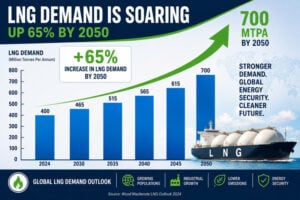 Shell, which dropped “Royal Dutch” from its name after leaving the Netherlands in 2022 due to high taxes and overregulation, is one of the world’s supermajors (oil and gas driller). Shell is also one of (perhaps THE) largest producers and vendors of LNG, or liquefied natural gas, worldwide. The company has just released its tenth annual LNG Outlook 2026 (full copy below), which highlights key trends in 2025 and hauls out the crystal ball to predict where things are heading over the next 25 years. Shell’s annual LNG outlook says shipping disruptions in the Strait of Hormuz from the Iran war—which shut in roughly one-fifth of global monthly LNG supply—could keep 2026 global LNG trade flat if flows normalize within three months, with growth resuming in 2027. Read More “Shell Annual LNG Outlook Predicts Demand to Soar 65% by 2050”
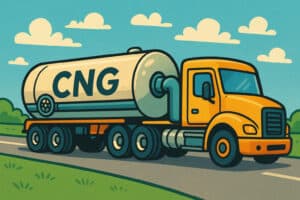 We spotted a press release from Hexagon Agility that the company has secured its largest-ever single order for “Mobile Pipeline” modules from Certarus, valued at about $100 million, with an option for up to $25 million more by 2028. It triggered a “connect the dots” moment for us. Mobile pipelines are another term for virtual pipelines, which is a euphemism for trucking natural gas via CNG (mostly) and sometimes LNG. The Hexagon press release indicates strong new demand for such technology in the AI data center market. No pipeline? No problem! Just truck it in via a virtual pipe instead.
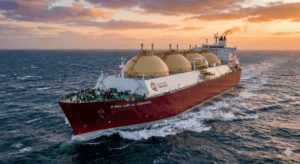
  The Golden Pass LNG terminal is a liquefied natural gas (LNG) terminal and regasification facility in Sabine Pass (Port Arthur), Texas. It is among the largest LNG facilities in the world. It can accommodate up to 15.6 million metric tons (MT) of LNG per year, the equivalent of approximately 2 billion cubic feet of natural gas per day (Bcf/d). In April, Golden Pass exported its first LNG cargo (see
  In early 2024, we reported that Penn America Energy CEO Franc James, the potential builder of the proposed Penn America LNG export facility in the Philadelphia area, said that he “pumped the brakes” on the project but that it wasn’t dead yet (see
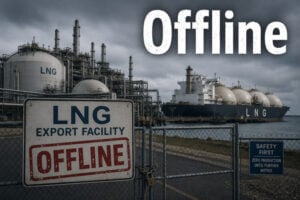
  Freeport LNG has become something of a punchline for its frequent outages. Except it’s no laughing matter. Outages at Freeport have happened so frequently that we’ve lost count (
 Sempra Infrastructure announced that its Port Arthur Pipeline Louisiana Connector has entered service, marking progress on U.S. energy infrastructure aimed at supplying global natural gas markets. CEO Justin Bird said the project was completed ahead of schedule and under budget. The pipeline will transport up to 2 billion cubic feet per day (Bcf/d) of U.S. natural gas, including Marcellus/Utica gas, to Port Arthur LNG Phase 1, which is now under construction with a nameplate capacity of about 13 million tonnes per annum (MTPA). The project links with the Gillis Hub Pipeline and the LA Storage facility under construction. It includes 72 miles of 42-inch pipeline and a compressor station.
  On March 18, President Trump issued a 60-day waiver pausing the enforcement of the Jones Act (see
  The Appalachian Basin, spanning Pennsylvania, West Virginia, and Ohio, has become America’s premier natural gas province, producing over 35 billion cubic feet daily (Bcf/d) in 2024. Driven by hydraulic fracturing in the Marcellus and Utica shales, private mineral rights, and low breakeven costs below $2 per MMBtu, the basin has reshaped *global* energy markets. How? Infrastructure constraints (lack of pipelines) and Mid-Atlantic political opposition prevent local LNG export terminal development. Even so, Marcellus/Utica gas underwrites domestic power markets, fuels digital infrastructure, and indirectly propelled the United States to become the world’s leading LNG superpower by displacing Gulf Coast gas for export liquefaction.
  On March 18, President Trump issued a 60-day waiver pausing the enforcement of the Jones Act (see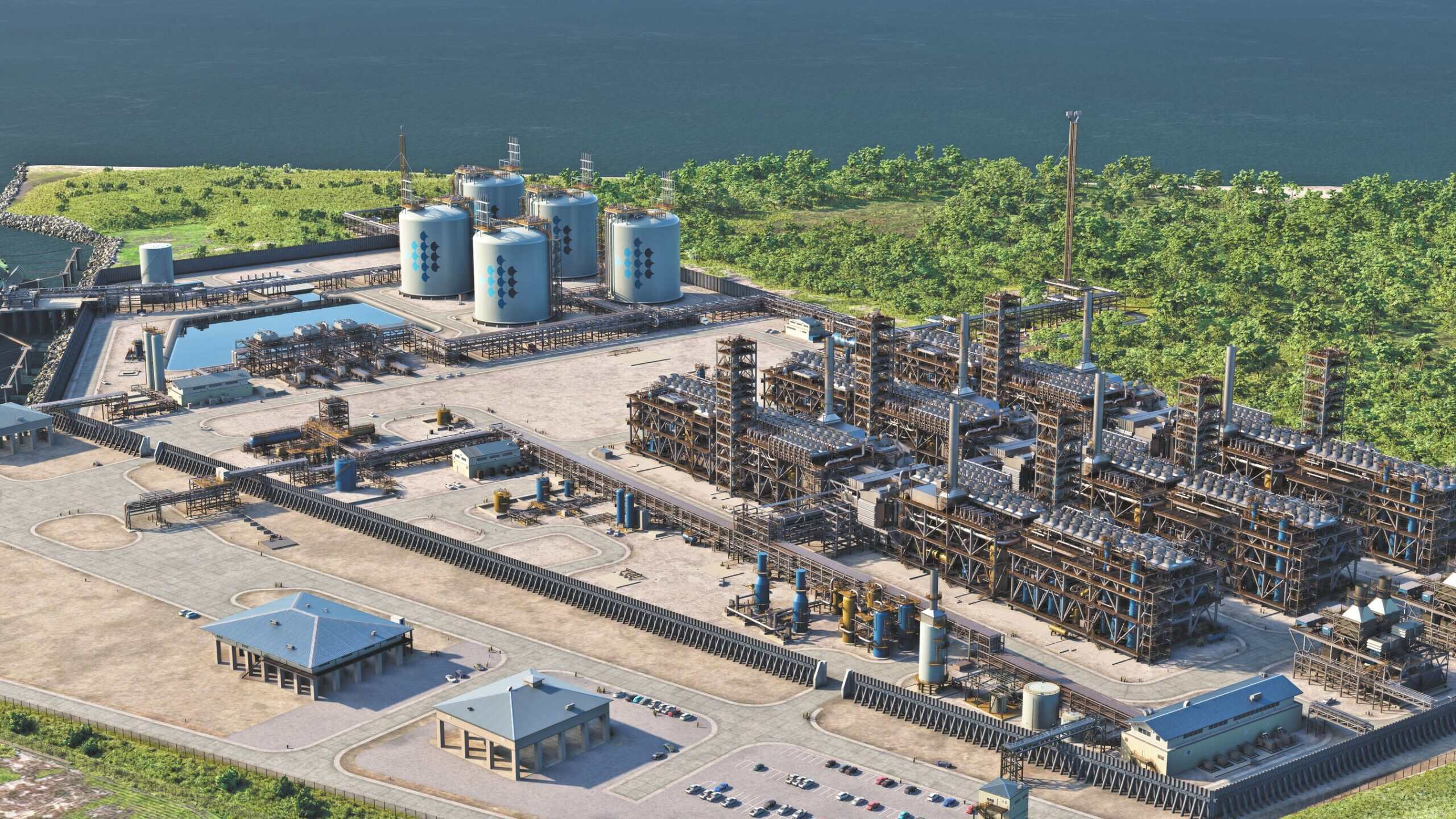
 The Philadelphia Gas Commission, for a second time, has postponed a vote on Philadelphia Gas Works’ (PGW) $182 million proposal to replace and expand its natural gas liquefier (LNG plant) in Port Richmond. The commission’s staff and the Public Advocate recommend rejecting the project, arguing it is oversized and could burden customers with unnecessary debt. They also cite incomplete plant and project designs. PGW argues the upgrade is crucial for safety and affordability, preventing potential harm to customers during cold winters and avoiding the need to truck in liquefied natural gas (LNG). Instead of approving the project, the Commission voted to spend $1 million on an environmental impact study and $4 million for an engineering study. That is, they voted to procrastinate.
  The European Union’s idiotic methane regulations begin in earnest next year. Domestic (European) oil, gas, and coal companies must monitor, measure, and report their emissions. The same restrictions will apply to energy imports from other countries, including imports from the U.S. (see