
CNG/LNG | Duke Energy | Electrical Generation | Energy Services | Industrywide Issues | North Carolina
Duke Sets 2028 Construction Start for NC Gas Plants, LNG Facility
 Duke Energy just handed Marcellus/Utica producers something more useful than another press release. It handed us a calendar. Back in July we told you Duke had picked its sites: two 1,360-megawatt (MW) combined-cycle gas plants on its Davie County, North Carolina parcel, and the largest liquefied natural gas (LNG) storage facility in company history directly across the Yadkin River in Davidson County (see Duke Picks Davie County for 2 Gas Plants, Davidson for LNG Facility). What we didn’t have was a schedule. Now we do. Read More “Duke Sets 2028 Construction Start for NC Gas Plants, LNG Facility”
 It’s that time of year again. Cove Point LNG, the Berkshire Hathaway-operated export terminal on the Maryland shore of the Chesapeake Bay, is heading into its annual maintenance turnaround — and when the plant goes down, roughly 850 million cubic feet per day (MMcf/d) of demand for Marcellus/Utica gas simply evaporates. MDN has obtained the official notice from pipeline operator BHE GT&S laying out exactly what happens and when.
  A press release crossed the wire yesterday announcing that Edge LNG — the little company that showed the Marcellus how to truck its stranded gas to market — has been sold. Sapphire Gas Solutions of Conroe, Texas, is the buyer. Blue Water Energy, the private equity firm that backed Edge from the beginning, is the seller. And here’s the part that caught our eye: the announcement calls Edge “a Texas-based LNG company” serving customers in the Southern U.S. The Marcellus, where Edge made its name, doesn’t get a single mention.
  A federal appeals court in Washington on Tuesday threw out all eleven claims that environmental groups and Louisiana fishermen filed against Venture Global’s CP2 LNG export terminal and the pipeline that will feed it. The terminal sits 1,300 miles from Washington County, Pennsylvania — but buried in this decision is a holding that should make every Marcellus/Utica pipeline developer very happy. The case is For a Better Bayou v. FERC, No. 24-1291 (consolidated with Nos. 24-1292 and 25-1157). It was argued March 24 and decided August 25. Senior Judge Douglas Ginsburg, a Reagan appointee, wrote for a unanimous panel that also included Judge Karen Henderson (George H.W. Bush) and Judge Patricia Millett (Obama).
  Five Senate Democrats have escalated their fight over Cheniere Energy’s $370 million IRS “alternative fuel” tax payout, formally asking Treasury’s internal watchdog to investigate. Sen. Jeff Merkley (D-OR), joined by Senate Democratic Leader Chuck Schumer (D-NY) and Sens. Chris Van Hollen (D-MD), Edward Markey (D-MA), and Sheldon Whitehouse (D-RI), sent an Aug. 20 letter to Acting Treasury Inspector General for Tax Administration (TIGTA) Heather Hill. The letter asks TIGTA to determine how and why the IRS decided LNG tankers qualify as “motorboats” under the Alternative Fuel Excise Tax (AFET) credit—and, notably, whether the call was made to reward President Trump’s campaign donors.
 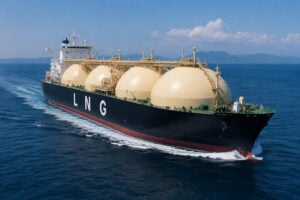 Here’s a number every Marcellus and Utica landowner should tape to the refrigerator: $5. That’s where Colorado-based East Daley Analytics thinks Henry Hub natural gas prices are headed by 2031, and the reason is the LNG export buildout on the Gulf Coast, which the firm says will pull roughly 35 billion cubic feet of gas per day out of the U.S. supply pool by 2035. The catch — and it’s a big one — is that nobody has fully answered where all that gas comes from. East Daley published the analysis Aug. 18 in its Daley Note. Most of it is Gulf Coast and Permian Basin material. But bury the lede, and you miss what matters for the M-U audience.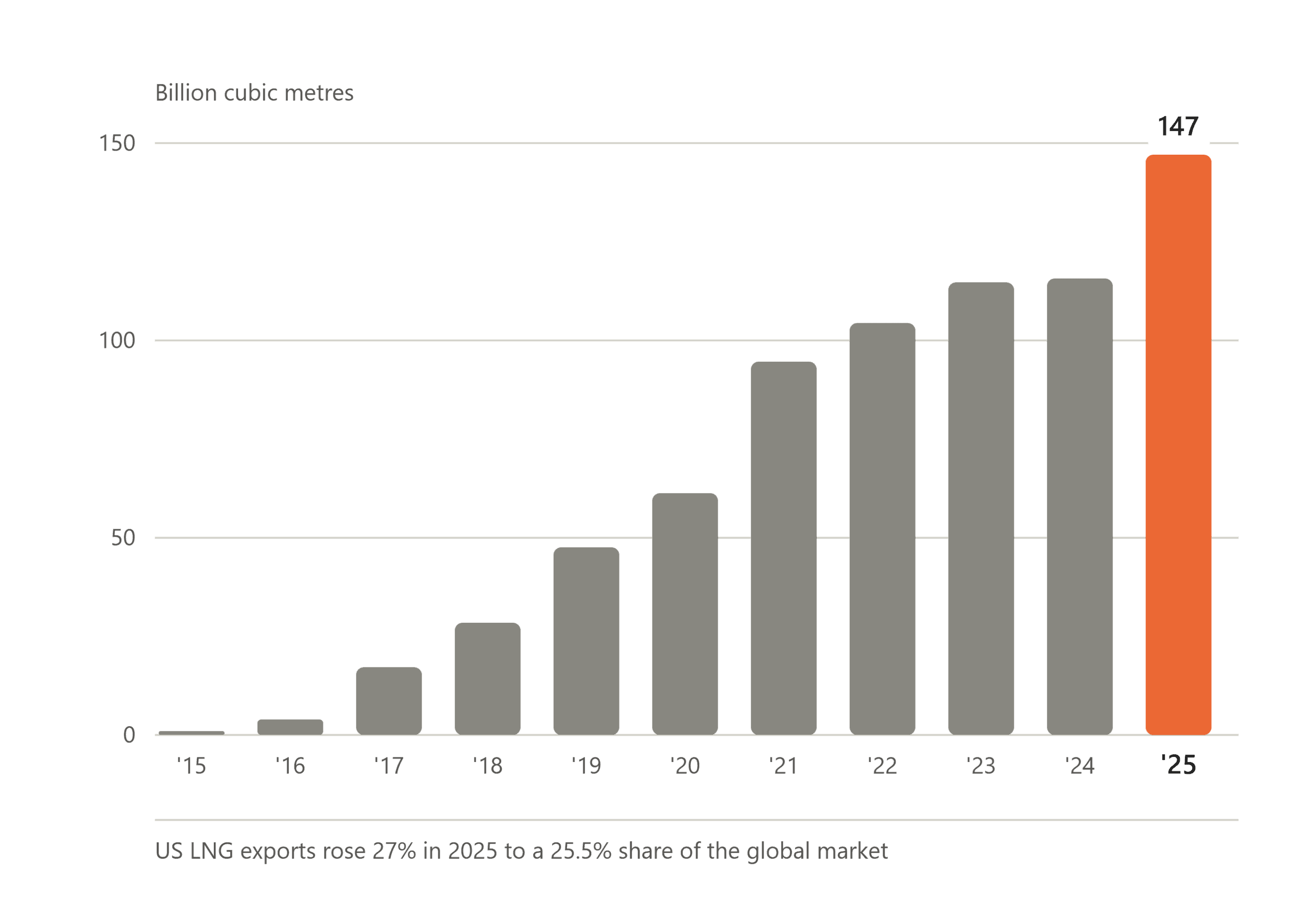
 On July 1, MDN told you Golden Pass LNG had gone dark — three cargoes out the door and then, on June 29, almost no feedgas flowing into the plant at all (see
  Forward natural gas prices for this coming winter at the Cove Point LNG terminal in Maryland have gone parabolic — and if you produce, gather, or transport Marcellus/Utica gas, you should care, because the pipes behind this story are the same pipes you use every day. A quick primer: a ‘forward price’ is what buyers and sellers agree today to pay for gas delivered on a future date — think of it as locking in a price months ahead of time. When forward prices spike, it means the market is already betting on tight supply or high demand down the road.
 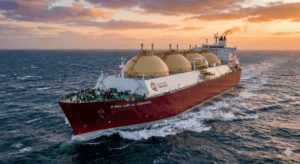 America’s biggest LNG exporter just had a monster quarter — and raised its full-year forecast for the second time this year. Cheniere Energy (NYSE: LNG) shipped 184 cargoes in the second quarter and is now building toward a platform that could eventually swallow more than 10 billion cubic feet of gas a day. Appalachian producers should be paying attention. Cheniere Energy reported second quarter 2026 results on Aug. 6, and the numbers were eye-popping. Revenues hit $5.73 billion, up 24% from a year ago. Consolidated adjusted EBITDA came in at $1.80 billion, up 27%. Net income was $3.07 billion, up 89% — though a big chunk of that is non-cash accounting noise we’ll get to in a minute.
  In January, MDN broke the news that Duke Energy was eyeing a 1,360-megawatt (MW) gas-fired power plant on 1,600 acres in Davidson County, North Carolina (see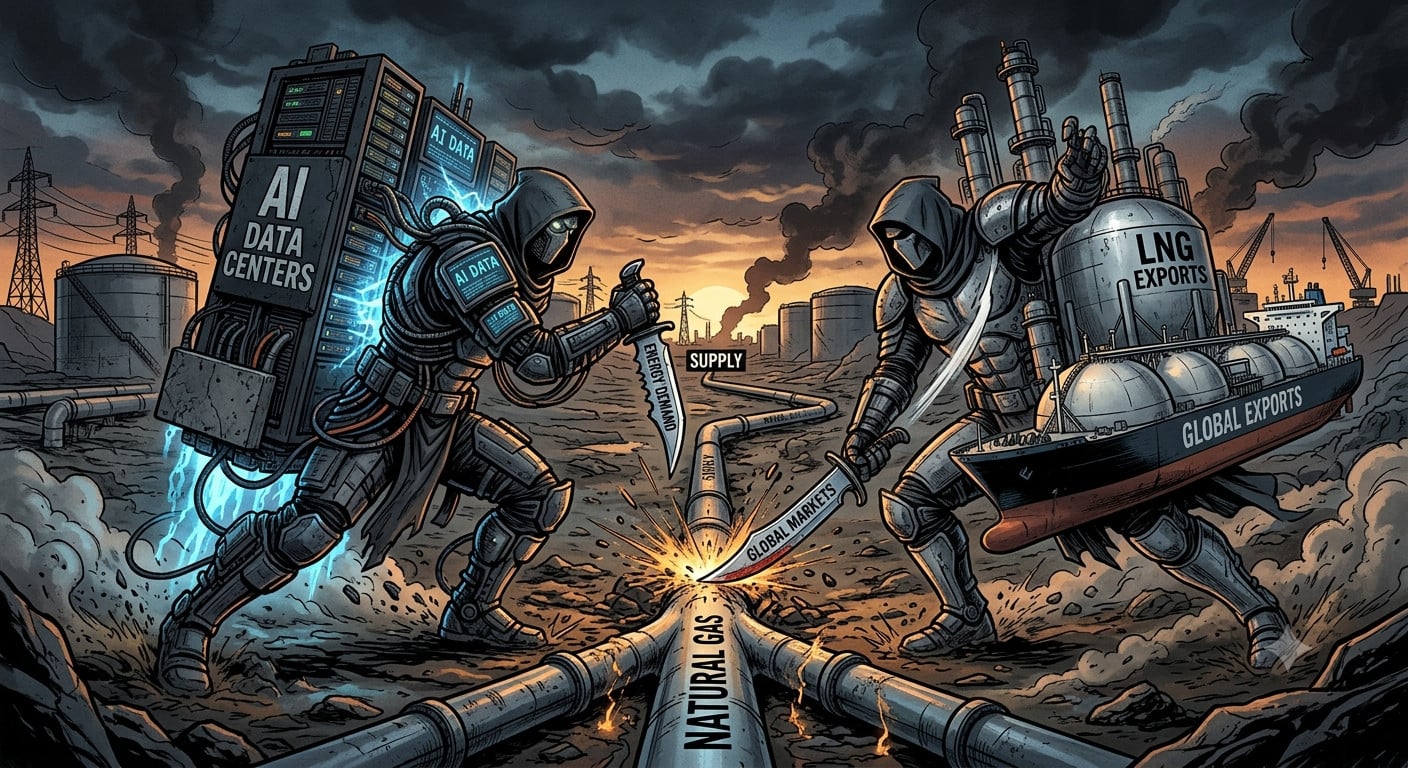
 The International Gas Union’s 2026 World LNG Report shows global LNG trade hit a record high of 436.98 million tonnes (Mt) in 2025, up 6.3%—the strongest growth since 2022—driven by a 25.3 Mt surge in North American exports and Europe’s return as the key balancing market. Canada and Mauritania–Senegal became first-time exporters. Investment in new supply reached a six-year high. The LNG fleet grew 8.4% to 804 vessels, with 301 newbuilds on order, keeping freight rates depressed, while bunkering infrastructure expanded. Despite disruptions from the Gulf conflict that damaged infrastructure and the closure of the Strait of Hormuz, the IGU says LNG’s long-term demand outlook through 2035 remains intact.