
Ohio’s Inflated Rover Pipeline Tax Case Lingers in Court
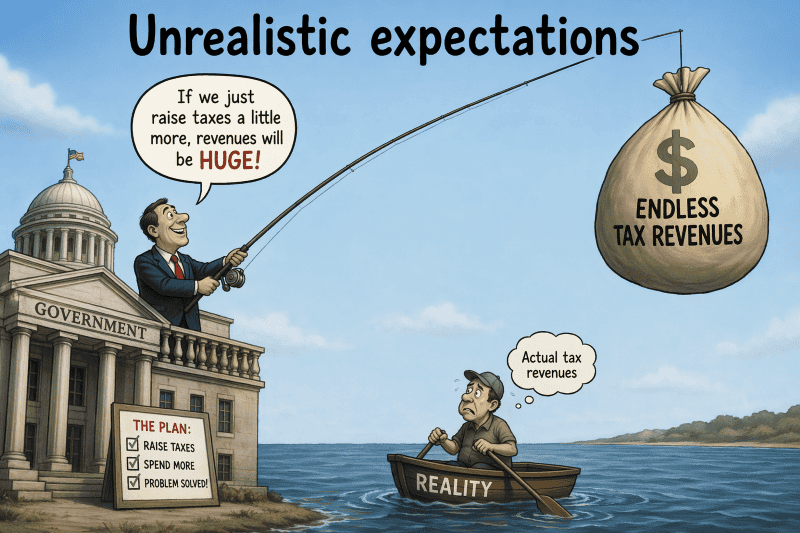 Last December, MDN told you that Rover Pipeline had to file a lawsuit in self-defense against the Ohio Tax Commissioner for her overly aggressive property tax assessment that inflates the project’s market value, causing it to pay too much in property tax (see Ohio Tax Commissioner Putting New O&G Pipelines at Risk). The dispute centers on the state treating $2.2 billion in weather-related construction overruns and an unrealistic “infinite lifespan” assumption as value-adding assets, violating constitutional principles of fair market valuation, under which taxes should reflect what a willing buyer would pay rather than total development costs. The problem is, school districts and various municipalities thought they were going to get an extra windfall and are now in trouble because of their own poor planning and unrealistic expectations. Read More “Ohio’s Inflated Rover Pipeline Tax Case Lingers in Court”
 In March, Hull Street Energy (HSE) entered an agreement to acquire two peaking power plants from Rockland Capital, LP, significantly expanding its Milepost Power portfolio (see
  Once again, Pennsylvania Governor Josh Shapiro is attacking the energy industry, this time setting his sights on utility companies that he falsely claims are “unfairly increasing their rates and needlessly raising costs for Pennsylvanians.” Shapiro has hired a radical National Resources Defense Council (NRDC) attorney to serve as his lapdog (Special Counsel for Energy Affordability) to attack utility companies, forcing them into bankruptcy, particularly by pressuring them to use unreliable renewables instead of cheaper fossil fuels.
  In February 2024, members of the South Carolina Public Service Commission approved a proposed project to build a 1,020-megawatt (MW) gas-fired power plant in the state’s Lowcountry, in Colleton County (see
  Twenty-three state attorneys general are demanding explanations from the top ratings agencies, Fitch, Moody’s, and S&P, regarding “ESG-driven” downgrades of fossil-fuel companies. They allege the agencies promote a radical climate agenda, weaponizing credit ratings with flawed methodologies to push woke ideology and UN-backed net-zero goals, rather than providing objective financial analysis. The AGs contend these downgrades contradict stated methodologies, reveal conflicts of interest arising from pledges to integrate ESG, and penalize American energy while potentially favoring entities such as Chinese-owned companies.
 OTHER U.S. REGIONS: Stop Energy Sprawl’s call for action; NATIONAL: U.S. natural gas futures inch up in rangebound trade; The green hydrogen dream is slipping further out of reach; Petchem margins strengthen in April as NGL advantage persists; INTERNATIONAL: Oil rises as Iran talks stall; Alarm bells will ring loudly if Hormuz doesn’t open in May; Iran is flooded with so much unsold oil that it’s stashing it in derelict tanks; Brent crude oil spot prices surge past futures price in April; First LNG shipment since war began appears to exit Hormuz; Global energy markets set for further test as El Nino looms.