
NextEra 3Q: Dominion Fight Heats Up; Gas Hubs, Shale Buying Grow
 NextEra Energy, the largest electric power company in North America (and parent of Florida Power & Light), reported third-quarter 2026 results yesterday. Adjusted earnings came in at $2.592 billion ($1.24 per share), up 9.7% per share from a year ago. But the real news came during the Q&A with Wall Street analysts. Just two days earlier, Virginia regulators’ own staff recommended denying NextEra’s $67 billion takeover of Dominion Energy as proposed—and Gov. Abigail Spanberger demanded a six-year rate freeze. NextEra CEO John Ketchum didn’t blink, saying he looks forward to “prosecuting this case.” Meanwhile, NextEra keeps going deeper into natural gas: more than 18 gigawatts (GW) of its 20+ GW of data center power projects are gas-fired, including a giant gas plant in Fayette County, PA. And NextEra has spent more than $1 billion this year buying into shale wells. Not bad for a company that once said it was getting out of gas! Read More “NextEra 3Q: Dominion Fight Heats Up; Gas Hubs, Shale Buying Grow”
 So much for the charm offensive. Five weeks after NextEra Energy and Dominion Energy sweetened their $67 billion merger with bigger bill credits, 1,000 new jobs and a shiny new Richmond office tower (see
  Infinity Natural Resources, the Morgantown, WV-based driller that bought Antero Resources’ Ohio Utica assets for $1.2 billion earlier this year, isn’t done shopping. CEO Zack Arnold told Hart Energy at its SUPER DUG conference in Houston in September that Infinity is “actively looking for the next opportunity.” Arnold also dropped a few other nuggets worth your attention: Infinity has drilled its first deep dry gas Utica well in a Pennsylvania field that has only ever produced from the Marcellus; a “couple” of unnamed operators are starting to develop the Marcellus in eastern Ohio; and newly available state and federal lands in Ohio are a fresh source of drilling locations.
  Here’s a story you won’t read anywhere else. Strata Petroleum, LLC buys oil and gas mineral rights, and it has quietly sold its mineral interests in 116 producing Ohio Utica wells to Dallas-based Rising Phoenix Royalties. The deal closed effective October 5. Strata managing partner Justin Wainwright reached out to MDN with the news. He won’t disclose the exact price, but he told us it was “well into 7 figures.” The wells are operated by two of the biggest names in the Ohio Utica, EOG Resources and Ascent Resources, and they’re spread across six of the play’s core counties. Strata says it isn’t leaving the region. It plans to keep buying minerals across Ohio, West Virginia, and Pennsylvania.
  One shoe has dropped. Yesterday (Oct. 8), Devon Energy announced it is selling its entire Eagle Ford position in South Texas to Houston-based Crescent Energy for $4.2 billion in cash. It’s Devon’s first big asset sale since it swallowed Coterra Energy in May. It’s also not the sale most of us expected a few months ago. The old Cabot Oil & Gas Marcellus position in Susquehanna County, which Devon now owns, stays put. For now. The question we keep hearing from Northeast PA landowners: Is the Marcellus next? Below we read the tea leaves.
  The Marcellus/Utica water business just got a bit more consolidated. HydroEdge Solutions, a Canonsburg (Washington County, PA) company that moves frack water from point A to point B, has acquired a majority interest in Bridgeville (Allegheny County) based RES Water. The combined outfit will have about 350 employees, five water treatment, recycling, and storage facilities in Pennsylvania, roughly 700,000 barrels of storage, and the ability to process up to 116,000 barrels of water per day. If the HydroEdge name rings a bell, it should. Back in June, HydroEdge (operating as Myers Water Transfer) bought one of the three Williamsport-area sites formerly run by troubled Eureka Resources, a story MDN has followed closely since Eureka’s “black goop” spill into the Susquehanna River in August 2025.
  The first domino has fallen. Last Thursday, National Fuel Gas Company (NFG) closed its purchase of CenterPoint Energy’s Ohio natural gas utility, the Dayton-area company formerly known as Vectren Energy Delivery of Ohio. Why should Marcellus/Utica folks care about a utility deal in the Miami Valley? Because NFG’s CEO told us several weeks ago that this closing clears the way to split off Seneca Resources, NFG’s drilling arm, into its own separate company (see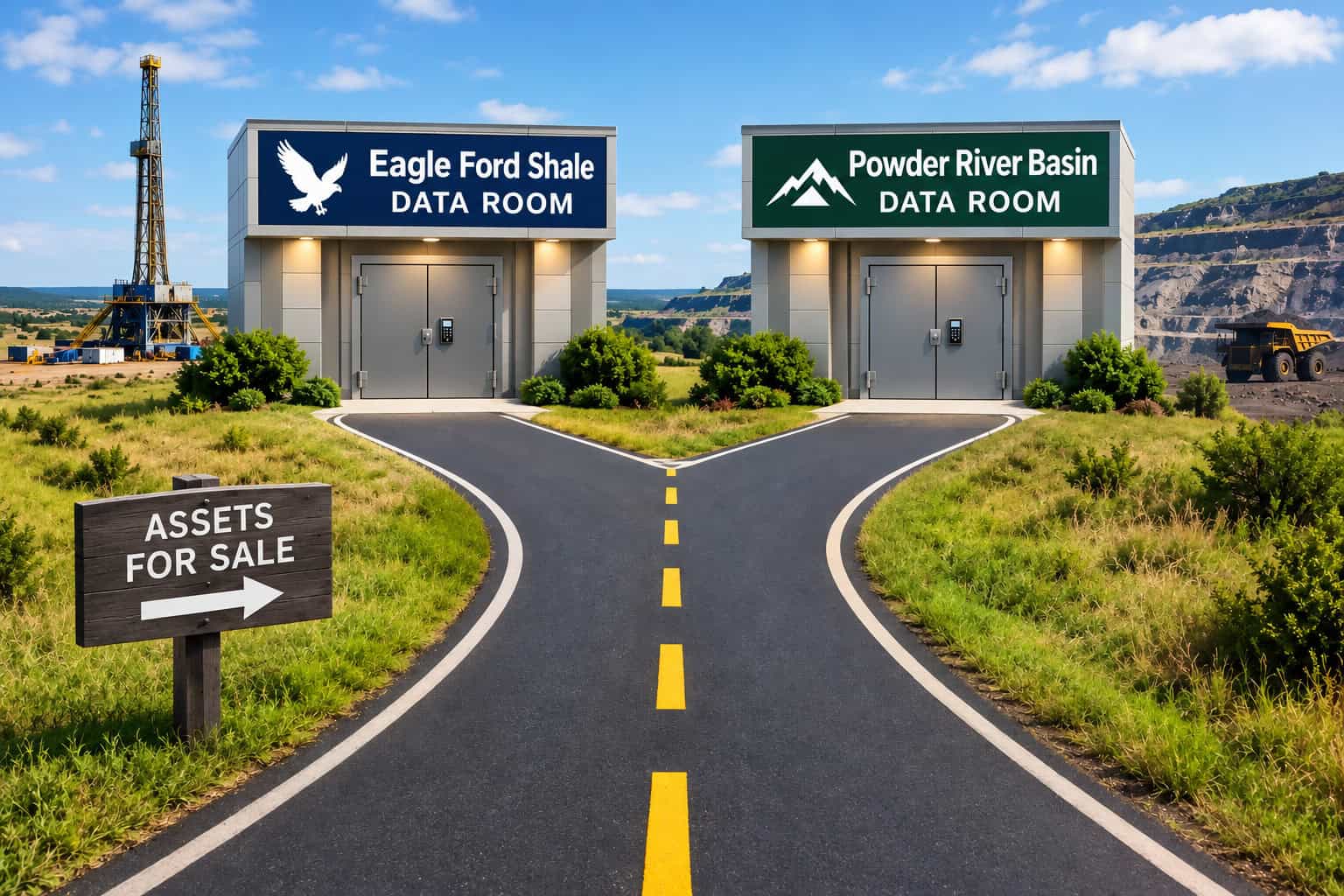
 NextEra Energy and Dominion Energy, which want to combine into the country’s biggest electric utility in a $67 billion deal, launched a full-blown charm offensive (i.e., piles of money) aimed at Virginia yesterday. The two companies unveiled what they call a “transformational” benefits package that doubles bill credits for homeowners (from two years to four), promises 1,000 new direct jobs, and throws in a brand-new office tower in downtown Richmond, paid for by NextEra shareholders. Why all the sweeteners? Because Virginia Gov. Abigail Spanberger says she is “deeply skeptical” the deal is good for her state, and she has formally inserted herself into the regulatory review. Here’s what’s in the new package, how it’s being received, and why it matters to Marcellus/Utica drillers.
  Pittsburgh-based Alcoa says it’s “very close” to selling its shuttered Massena East aluminum smelter in New York’s North Country to a data center developer. Here’s the part that other reporting left out: the buyer has been sitting on that site since 2017, wants to build a 635-megawatt (MW) computing campus there — and Gov. Kathy Hochul froze the whole thing two months ago with her data center moratorium (see
  Round and round she goes. Yesterday Shell Energy North America (SENA) announced it is doing two deals at once: selling the 609-megawatt (MW) Rhode Island State Energy Center (RISEC) near Providence to Constellation Energy for $715 million, and buying the 169-MW Hunlock Creek Energy Center in Luzerne County, Pennsylvania, from Castleton Commodities International (CCI). Shell has owned the Rhode Island plant for all of about 20 months. CCI has owned Hunlock Creek for two years. Both deals are expected to close in the first quarter of 2027, pending the usual regulatory blessings.
  Virginia Democrats have spent the summer hammering the proposed $67 billion NextEra-Dominion merger — letters to regulators, a 64-question interrogation, a statewide listening tour, a demand for a special session. Last week the pile-on reached the very top when House Speaker Don Scott (D-Portsmouth) filed his own letter with the State Corporation Commission (SCC). Here’s the twist: the same Democrat leaders doing the loudest complaining just refused to do the one thing that would actually slow this deal down.
  A press release crossed the wire yesterday announcing that Edge LNG — the little company that showed the Marcellus how to truck its stranded gas to market — has been sold. Sapphire Gas Solutions of Conroe, Texas, is the buyer. Blue Water Energy, the private equity firm that backed Edge from the beginning, is the seller. And here’s the part that caught our eye: the announcement calls Edge “a Texas-based LNG company” serving customers in the Southern U.S. The Marcellus, where Edge made its name, doesn’t get a single mention.