
Armstrong County | Blackhill Energy | Bradford County | Carroll County | Coterra Energy (Cabot O&G) | Devon Energy | Energy Companies | EOG Resources | Expand Energy | Guernsey County | Gulfport Energy | Harrison County | INR/Infinity Natural Resources | Monroe County | Ohio | Pennsylvania | Snyder Brothers | Sullivan County | Susquehanna County | Weekly Permits | Wyoming County (PA)
29 New Shale Well Permits Reported for PA-OH-WV Sep 28 – Oct 4
 The Marcellus/Utica region received 29 new drilling permits last week, September 28 – October 4, nearly double the 16 permits issued two weeks earlier. Pennsylvania issued 20 of the new permits. Ohio issued 9 new permits. And West Virginia got skunked, issuing no new permits. The drillers who received new permits last week were: Blackhill Energy, Coterra Energy (now Devon Energy), EOG Resources, Expand Energy, Gulfport Energy, Infinity Natural Resources (INR), and Snyder Brothers. Read More “29 New Shale Well Permits Reported for PA-OH-WV Sep 28 – Oct 4”
 One shoe has dropped. Yesterday (Oct. 8), Devon Energy announced it is selling its entire Eagle Ford position in South Texas to Houston-based Crescent Energy for $4.2 billion in cash. It’s Devon’s first big asset sale since it swallowed Coterra Energy in May. It’s also not the sale most of us expected a few months ago. The old Cabot Oil & Gas Marcellus position in Susquehanna County, which Devon now owns, stays put. For now. The question we keep hearing from Northeast PA landowners: Is the Marcellus next? Below we read the tea leaves.
  The highly functional and responsible Susquehanna River Basin Commission (SRBC), unlike its dysfunctional and irresponsible counterpart, the Delaware River Basin Commission (DRBC), continues to support the shale energy industry by approving water withdrawals and consumptive use requests for responsible, safe shale drilling. The SRBC published a notice in the September 26th Pennsylvania Bulletin that the SRBC approved and/or renewed 35 general water use permits in August for individual shale gas well drilling pads in Bradford, Clinton, Elk, Lycoming, Sullivan, Susquehanna, Tioga, and Wyoming counties.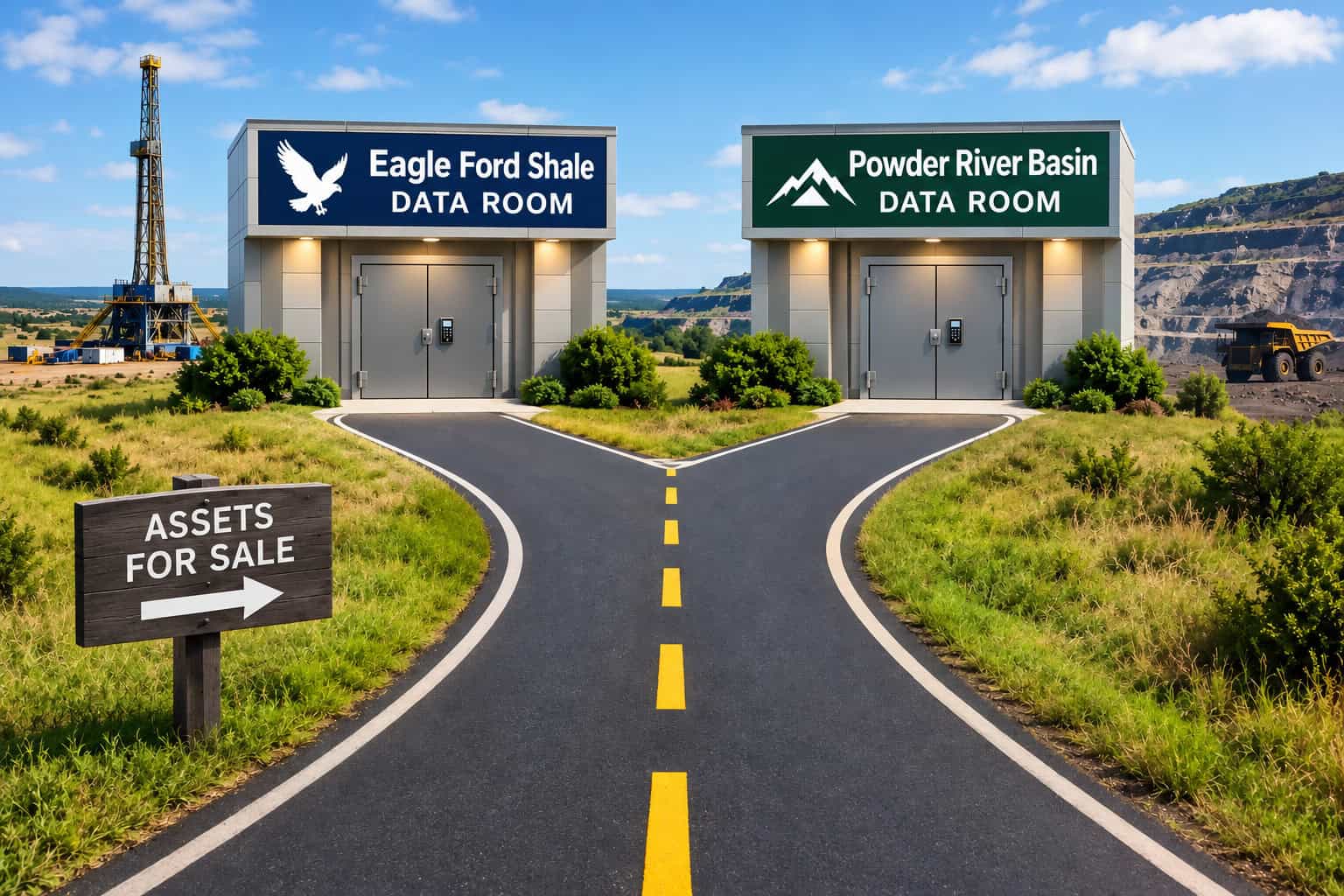
 An activist hedge fund that has been quietly leaning on Devon Energy since June has now put its demands in writing, and it’s asking for a lot more. Toms Capital Management sent Devon a letter earlier this month urging the company to explore “strategic alternatives, including a sale.” In other words, sell the whole company, not just a few pieces. Toms says it’s now one of Devon’s five largest shareholders. Why do we care here in Appalachia? When Devon swallowed Coterra Energy in May, it got the old Cabot Oil & Gas Marcellus position in Susquehanna County along with it. If Devon itself gets sold, the future of that NEPA gas acreage (and the royalty checks it generates) is up for grabs.
  Devon Energy’s Coterra unit is asking Pennsylvania regulators for permission to lay 18.4 miles of 20-inch freshwater pipeline across three Susquehanna County townships — which is a strange thing to spend money on if you’re about to sell the place. The Department of Environmental Protection (DEP) published the notice in the September 5 Pennsylvania Bulletin, opening a comment window that closes October 5. The project is the Brooks to Forwood Temporary Waterline, running through Springville, Lathrop, and Lenox townships.
 Devon Energy just told the market it’s willing to write big checks to get stranded natural gas to better markets. The gas in question is in West Texas, not Susquehanna County — and that says something about where the old Cabot Oil & Gas assets stand in the new Devon. On Monday, Devon announced a positive Final Investment Decision (FID — meaning the money is committed and the shovels are coming) on the Solitude Pipeline System, a WhiteWater-led joint venture building two 48-inch natural gas pipelines from the Permian Basin to Katy, Texas.
  Devon Energy and Williams spent the last week of July doing something that doesn’t show up on a reserve report: teaching northeastern Pennsylvania teenagers how the gas business actually works. Then, on July 30, the Pennsylvania Chamber Foundation named both companies “Greatest Places to Intern in PA.” Six days later, Devon CEO Clay Gaspar told analysts he’s fielding “no shortage of incoming phone calls” about which assets he might sell — with the Marcellus at the top of everybody’s list. Which raises a question nobody on Wall Street is asking: who inherits the workforce machine?
  Peregrine Energy Partners, the Dallas-based royalty buyer we’ve been tracking since 2019, is back in the Marcellus/Utica with its checkbook open. Yesterday (Aug. 4), the company announced it closed five separate mineral and royalty deals — two of them right here in the M-U — totaling roughly 3,680 net royalty acres and interests in more than 1,240 producing wells. The first Appalachian deal is a cash-flowing overriding royalty portfolio in Susquehanna County, PA, covering about 936 gross acres and 86 producing horizontal Coterra Energy (now Devon Energy) wells, with more than 50 DUCs and PUDs behind them in both the Upper and Lower Marcellus.
  Well, this isn’t what we expected. Bloomberg reported Friday, citing unnamed people “familiar with the matter,” that Devon Energy is exploring a sale of two of its shale positions — the Eagle Ford in South Texas and the Powder River Basin in Wyoming — that together could bring in more than $4 billion. Devon plans to announce a formal strategic review of the two packages when it releases second-quarter results in early August (the release is scheduled for Tuesday, Aug. 4, with the analyst call the next morning). Nothing is final. The timing could slip, and Devon could decide to keep both. Just two weeks ago we told you activist investor Kimmeridge is beating on Devon for moving too slowly on divestitures following the Coterra merger (see
  Despite rising Northeast gas demand from retiring coal plants and new data centers, plus added Appalachian pipeline capacity, production growth isn’t guaranteed—operators prioritize capital discipline, debt reduction, and shareholder returns over volume. Appalachia has held flat at roughly 33-36 Bcf/d since 2020. Can anything tempt Marcellus/Utica drillers to drill and produce more than they are now? According to RBN Energy, sustained Henry Hub prices above $4/MMBtu (versus the current $3.50-$3.60 long-dated curve) and better takeaway infrastructure could be enough of a temptation.
  In early May, Devon Energy completed its buyout of and merger with Coterra Energy, paying $21.4 billion in Devon stock (see