
Peregrine Energy Buys Royalty Payments from SWPA, Ohio Landowners
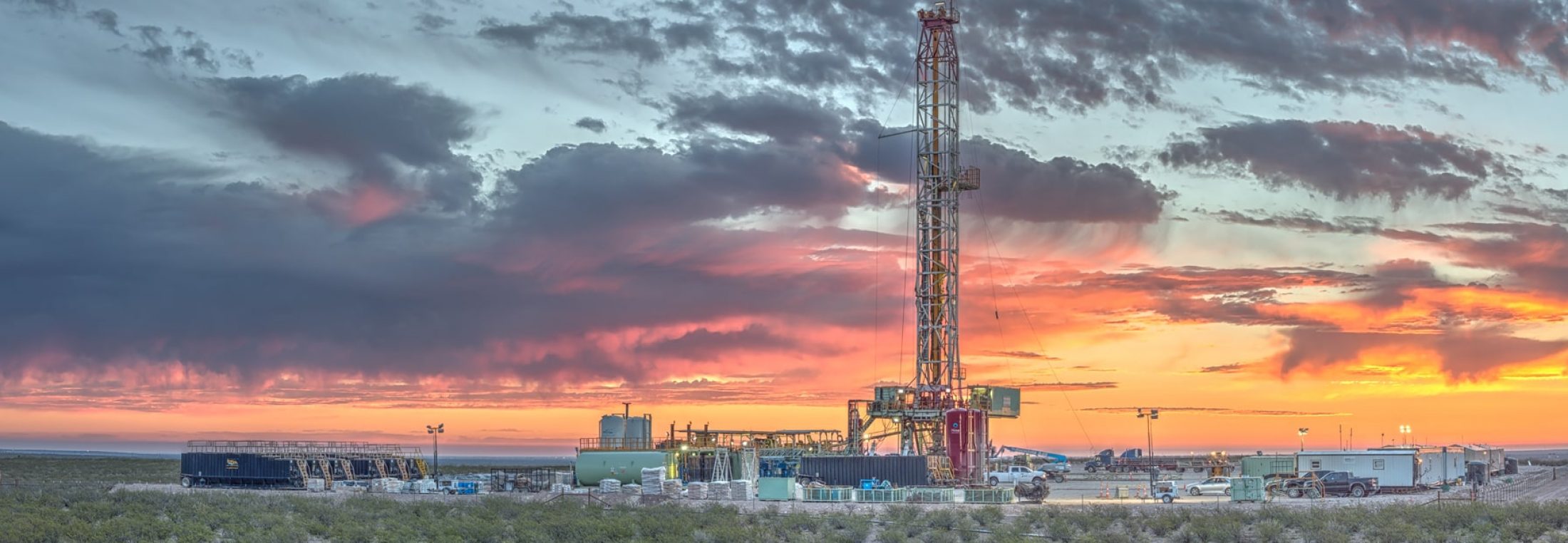
Peregrine Energy Partners, headquartered in Dallas, Texas, continues its program to buy royalty payments from landowners in the Marcellus/Utica region. Yesterday the company announced another round of deals, this time purchased from landowners in Greene County, PA, and Guernsey County, OH.
Read More “Peregrine Energy Buys Royalty Payments from SWPA, Ohio Landowners”


 Last October MDN told you about RealX, the country’s first and largest online property rights exchange (see
  A few weeks ago MDN told you about Peregrine Energy Partners buying royalty payment rights from landowners in Doddridge County, WV (see
  Back in 2012 Gulfport Energy drilled a pair of exceptional Utica wells in Belmont County, Ohio–both on the same pad. The first was the Shugert 1-1H which had an initial production (IP) rate of 20 million cubic feet of natural gas per day (Mmcf/d). It also produced an initial 144 barrels of condensate per day, and 2,002 barrels of natural gas liquids per day (see
  Peregrine Energy Partners, headquartered in Dallas, Texas, continues a program to buy royalty rights in the Marcellus/Utica. Peregrine announced yesterday the company has cut a deal to buy “producing royalties in Doddridge County, West Virginia from several private sellers.” The private sellers are landowners/rights owners with wells drilled by Antero Resources and Jay-Bee Oil & Gas. No details on how much the deal was for.
 CBS News, an ultra-biased mainstream media news outlet that we don’t typically watch or read, is publishing a series of articles on the effects of COVID-19–how it has changed the lives of average Americans. In a somewhat unusual twist, CBS focused on landowners in southwestern Pennsylvania who leased property for shale drilling. How has COVID impacted them? CBS interviewed several landowners who have seen their royalties drop like a rock over the last year–down some 75% from just a year ago. While CBS doesn’t say COVID is responsible for all of that drop, they do theorize it has contributed. Has it? Or is something else responsible for the huge drop in royalties?
 It’s time to revisit a long-festering royalty lawsuit against Chesapeake Energy and Anadarko Petroleum filed by the Pennsylvania Attorney General’s office. The case has been through several layers of courts and finally ended up at the PA Supreme Court last fall (see
  Do you remember the child’s game called “Simon Says”? That’s what we were thinking when we read about a lawsuit in Ohio by landowners against a group of shale drillers. The lawsuit, initiated by several landowners in Belmont County, OH, claims the drillers drilled too deep–into the Point Pleasant rock layer–when the leases signed only mention the Utica rock layer. The lawsuit, which is seeking class action status, claims “unjust enrichment” by the drillers.
 Last November MDN told you that Northeast Natural Energy, a small-to-midsized driller headquartered in Morgantown, WV, had lost an arbitration battle and owed a group of landowners in central Pennsylvania $7.9 million in payments for NOT drilling on their land (see
  On Sunday a week ago (June 28) Chesapeake Energy filed for bankruptcy (see
  Although many landowners in the Marcellus/Utica (at lease those who are interested) have already signed leases to allow shale drilling on and under their property, not all have. And sometimes leases expire with no drilling. Plus, not all landowners have leases that allow pipelines and other development (like solar projects). The Ohio State University Extension is offering several webinars at the end of June of interest to all landowners general, and Ohio landowners in particular, with an interest in leasing and mineral rights.