
U.S. Hits All-Time High for LNG Exports in August – 9.33 Million MT
 In August 2025, the United States achieved a brand new record high in liquefied natural gas (LNG) exports, exporting 9.33 million metric tons—surpassing April’s previous record of 9.25 million and July’s 9.1 million—as plants returned from maintenance and Venture Global’s Plaquemines facility expanded output. Plaquemines, a 27.2 MTPA plant that began operations in December 2024, contributed 1.6 million tons, or 17% of the total, and is expected to be fully operational in September. Europe took 6.16 million tons (66%, up from 58% in July) amid lower storage levels, while exports to Asia fell to 1.47 million tons. Egypt imported 0.57 million tons, and Latin America’s imports dropped to 0.69 million tons, with 0.37 million tons unallocated. Read More “U.S. Hits All-Time High for LNG Exports in August – 9.33 Million MT”
 In early 2024, we reported that Penn America Energy CEO Franc James, the potential builder of the proposed Penn LNG export facility in the Philadelphia area, said that he “pumped the brakes” on the project but that it wasn’t dead yet (see
  We finally have some good news to report regarding the NYMEX futures price of natural gas. The price briefly flirted with $3.00 before closing at $2.94 yesterday. However, the cash (spot) price for gas sold at trading hubs around the Marcellus/Utica region didn’t fare so well. We’ll get to that. The NYMEX price went higher due to a lower-than-expected storage build and strong demand from LNG exports. An analyst interviewed by Reuters said the price moved higher because storage numbers were “a little tighter than estimates, which has sparked some short-covering.” The NYMEX has moved up for the last three trading days, up 24.80 cents (9.20%). The $3 level is an important psychological price point.
  This is a “man bites dog” kind of story. EQT Corporation, now the second-largest natural gas producer in the U.S. (not far behind Expand Energy), has been pushing LNG (liquefied natural gas) for years. Since 2022, we’ve called EQT CEO Toby Rice the “apostle of LNG,” spreading the LNG gospel far and wide in an effort to expand U.S. LNG exports (see
 Glenfarne’s Texas LNG facility in Brownsville, Texas, will have the capacity to export 4 MTPA. EQT Corporation, the largest natural gas producer in the Marcellus/Utica, signed two agreements with Glenfarne to liquefy 2.0 million tons per annum (MTPA) of EQT-extracted shale gas at the facility when it’s built (see
  A Reuters reporter/commentator published an article that chronicles (with lots of facts, statistics, and charts) the coming rapid buildout of both gas-fired power generation and LNG exports in the U.S. He pitches the situation as a coming “clash of the Titans” (our words, but his sentiment). The author believes that the buildout of new gas-fired plants will sop up molecules that would have gone to LNG export plants, setting up a price war for those molecules. (One could only hope!) We have a different perspective.
 The nation’s largest LNG exporter, Cheniere Energy, is sounding the alarm that massive investments in and quick construction of natural gas infrastructure (namely, new pipelines) are needed to feed the LNG beast. LNG exports are due to double, to roughly 30 Bcf/d (billion cubic feet per day) by 2030—just five years away. The pipelines we have now are pretty much maxed out. We need new pipelines, and we need to start building them NOW.
  Earlier today, Reuters published a great article titled “Key US natural gas trends to track as LNG exports hit new highs.” The article is full of terrific charts (and narrative) showing where our LNG is currently going (by country), along with where it has gone historically (by country). The article reveals that over the first 8 months of 2025, total U.S. LNG exports climbed by 22% or by 12.4 million tons from the same months in 2024 to a record 69 million tons. Europe accounted for over two-thirds of U.S. export volumes, followed by Asia. The top three markets were the Netherlands, France, and Spain, which together accounted for 28% of total U.S. LNG shipments so far this year.
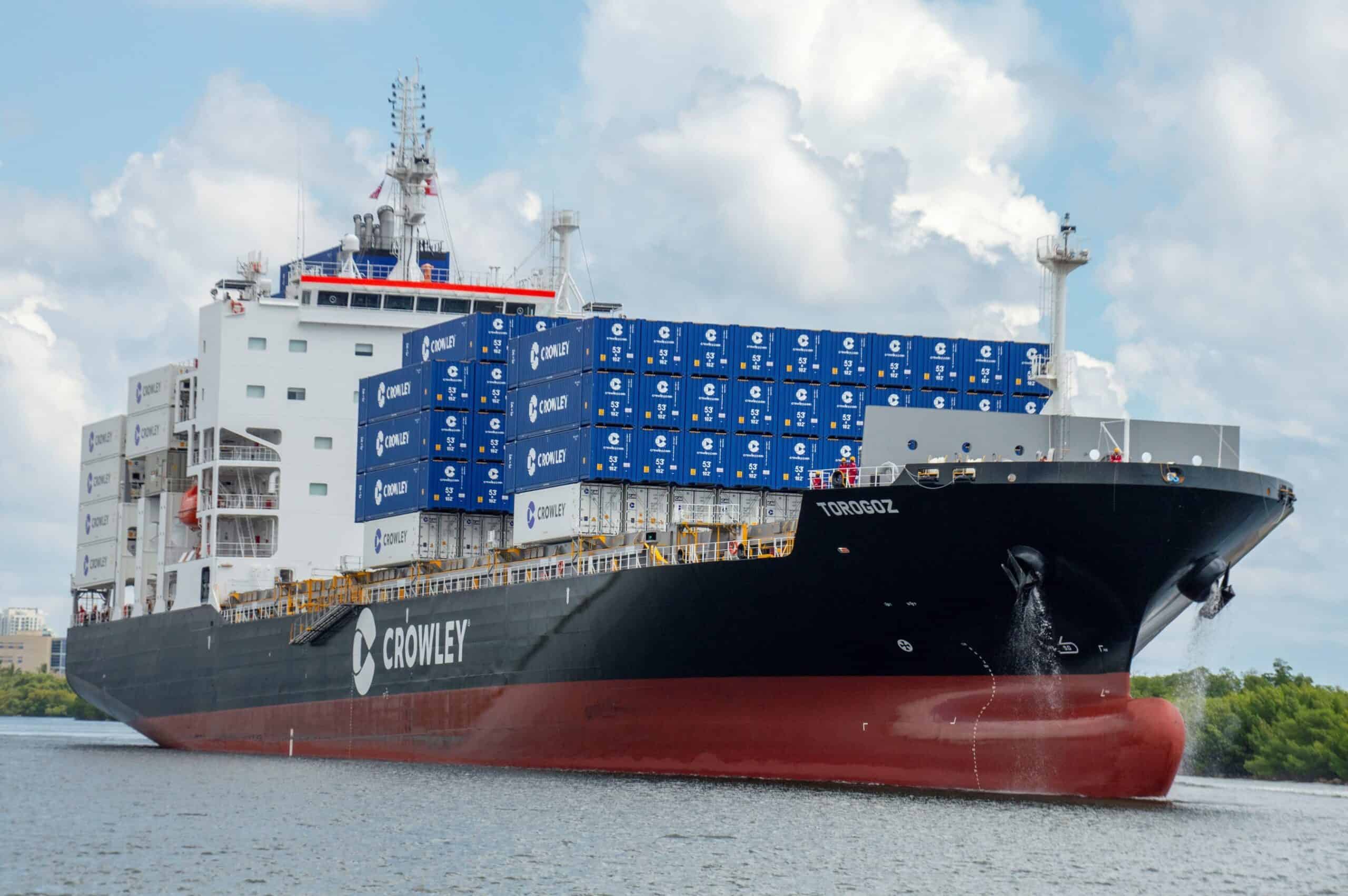
  The Trump administration has been a blizzard of activity since it began in January. We absolutely love it. The Trump team has so overwhelmed the radical left that they run in circles chasing their tails. Yet every now and again, the Trump team makes a misstep (in our estimation). We understand that nobody is going to agree 100% with someone else. Not even spouses! But we strongly object to this misstep. Under new mandates proposed by the U.S. Trade Representative (USTR), beginning in 2028, a total of 1% of America’s LNG exports must be carried via U.S.-flagged vessels. From 2029 onwards, 1% of U.S. LNG exports should be shipped on U.S.-flagged and U.S.-built vessels.
  According to the U.S. Energy Information Administration (EIA), the United States set multiple records for energy production and exports in 2024. Of the record 103 quadrillion British thermal units (quads) of total primary energy production in the United States, a record 31 quads went to other countries. Who knew?! In 2024, the U.S. exported 55% of its domestic crude oil and natural gas plant liquids (NGPL) production either directly as crude oil or as processed petroleum products such as propane, distillate fuel oil, and motor gasoline.