
Doug “the ax” Lawler Lays Off Another 220 Chesapeake Employees
 Doug Lawler, CEO of Chesapeake Energy, has swung his ax once again and is firing (i.e. laying off) another 220 employees–just as the company exits from Chapter 11 bankruptcy. Most of the layoffs are happening in Chessy’s headquarters located in Oklahoma City.
Read More “Doug “the ax” Lawler Lays Off Another 220 Chesapeake Employees”
 Pennsylvania Gov. Tom Wolf is openly admitting that his cockamamie plan to force PA to join the Regional Greenhouse Gas Initiative (RGGI)–a carbon tax scheme that will cost PA residents $2.36 billion over ten years–will in fact cause the closure of coal and gas-fired power plants throughout his state. Wolf’s brilliant plan to overcome the big negatives of power plant closings? A new government program, funded by taxpayers.
 The KeyState Zero petrochemical plant project that includes natural gas synthesis and carbon storage (coming to Clinton County, PA) just gets more fascinating every time we read or hear about it. We spotted a new article with more details about the project, like the fact LNG is already being produced at the site. In addition to carbon capture, the new petchem plant will produce four products…
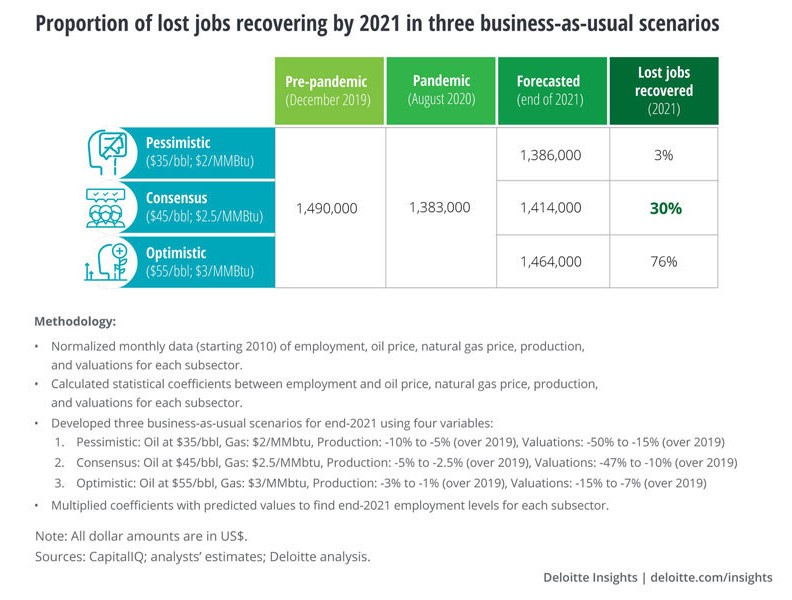
 Rystad Energy says worldwide the oil and gas industry has lost some 400,000 jobs in 2020. About half of those, says Rystad, are jobs lost in the U.S. Reuters is quoting Secretary of Energy Dan Brouillette as saying U.S. oil production will likely not return to its pre-pandemic peak of 13 million barrels of production per day–at least not any time soon. Ergo, those jobs are not coming back any time soon.
 Eagle Manufacturing, located in Wellsburg, WV, was struggling in the early 2000s. The company makes plastic safety products. Foreign competition was hammering the company (tough to compete with children in China who work in factories for a dollar an hour). The company almost offshored production to China, but decided to stick it out a few more years here at home. And then the Marcellus/Utica Shale miracle happened.
 Back in March, just as the COVID-19 pandemic was beginning to enter the public consciousness, some 500 people from labor unions and industry met in Pittsburgh to launch an organization called Pittsburgh Works Together (PWT), dedicated to fighting back against those who want to end southwest PA industries including steel, natural gas, and petrochemicals (see

 In July Pennsylvania Gov. Tom Wolf signed into law House Bill (HB) 732, a bill that will grant tax breaks to companies willing to build brand new petrochemical plants in the Keystone State–plants that use huge quantities of Marcellus Shale gas (see
  Bet you never thought you’d read about (or watch) a Justin Bieber video on MDN. We never thought we would write about or feature Bieber’s music. But then we watched a video of his newest song called Holy, a video that’s been watched (so far) over 32 million times since it was released to Youtube on Sunday! In the video Bieber plays the part of an oilfield worker who gets laid off. It’s poignant. Frankly, it brought tears to our eyes.
 The Consumer Energy Alliance (CEA) released an important new study yesterday. Titled “How Pipelines Can Spur Immediate Post-COVID Economic Recovery,” the new study finds delays, obstruction, and cancellation of pipeline infrastructure projects are threatening at least $13.6 billion in economic activity, over 66,000 jobs, and more than $280 million a year in state and local tax revenue at a time when America’s financial recovery from COVID-19 requires MORE investment and tax revenue. A section of the report finds anti-pipeline fanatics in NY, NJ, and PA threaten $3.5 billion worth of investments and 17,000 jobs in our region alone.