
PA DEP Issues Permits for TETCO Appalachia to Market III Pipe
 Last summer, Texas Eastern Transmission Pipeline Company (aka TETCO, owned by Enbridge) filed to build the Appalachia to Market III Project, abbreviated A2M III (see TETCO Files Appalachia to Market III, Small Pipe Tweaks in PA). A2M III is designed to provide additional natural gas supply in Pennsylvania and the broader region to meet growing demand from utilities and industrial users for Marcellus gas. The A2M III Project will provide up to 32,000 dekatherms per day (32 MMcf/d) of additional firm natural gas transportation service from the Appalachian supply basin in Southwest Pennsylvania to meet the needs of two existing local distribution company customers in Pennsylvania and Delaware. Over the weekend, the Pennsylvania Department of Environmental Protection (DEP) published a notice that it has issued requested water quality permits and approvals for the project. Read More “PA DEP Issues Permits for TETCO Appalachia to Market III Pipe”
 Two years ago, Texas Eastern Transmission Pipeline Company (aka TETCO) filed to build the Appalachia to Market II Project (A2M II) and the Entriken HP Replacement Project (see
  Every four years, the Pennsylvania Public Utility Commission (PUC) must approve plans by PECO, Pennsylvania’s largest electric and natural gas utility, delivering power to nearly 1.7 million electric customers and more than 545,000 natural gas customers in southeastern Pennsylvania. The plans under review are for how PECO, a fully regulated utility, will procure (buy) electricity for the next four years. In February, PECO filed its 1,235-page purchase plan with the regulators. The company plans to do what it has been doing (i.e., what’s been working), which is to obtain the least expensive electric supply and purchase 8% of its power from renewable sources, including 0.5% of solar energy generated within the state. Anti-fossil fuel nutters are having a cow, demanding (they always demand) that PECO buy far more unreliable renewable electricity, skyrocketing the cost to consumers.
 The problem with the pay-for-protection scam is that it never stops. A mobster comes calling on a business, and for a “small” and regular fee, the mobster will guarantee nothing “happens” to the business. “Just think of it as insurance.” It’s a shakedown–a scam. And over the years, the price keeps going up. What if the mobster is a government agency, like the Pennsylvania Dept. of Environmental Protection (DEP)? The DEP keeps shaking down Energy Transfer and its Sunoco Pipeline subsidiary over the construction and operation of the Mariner East 2 (ME2) pipeline. Over the years, the DEP has fined ET/Sunoco over $30 MILLION for so-called penalties related to building ME2. [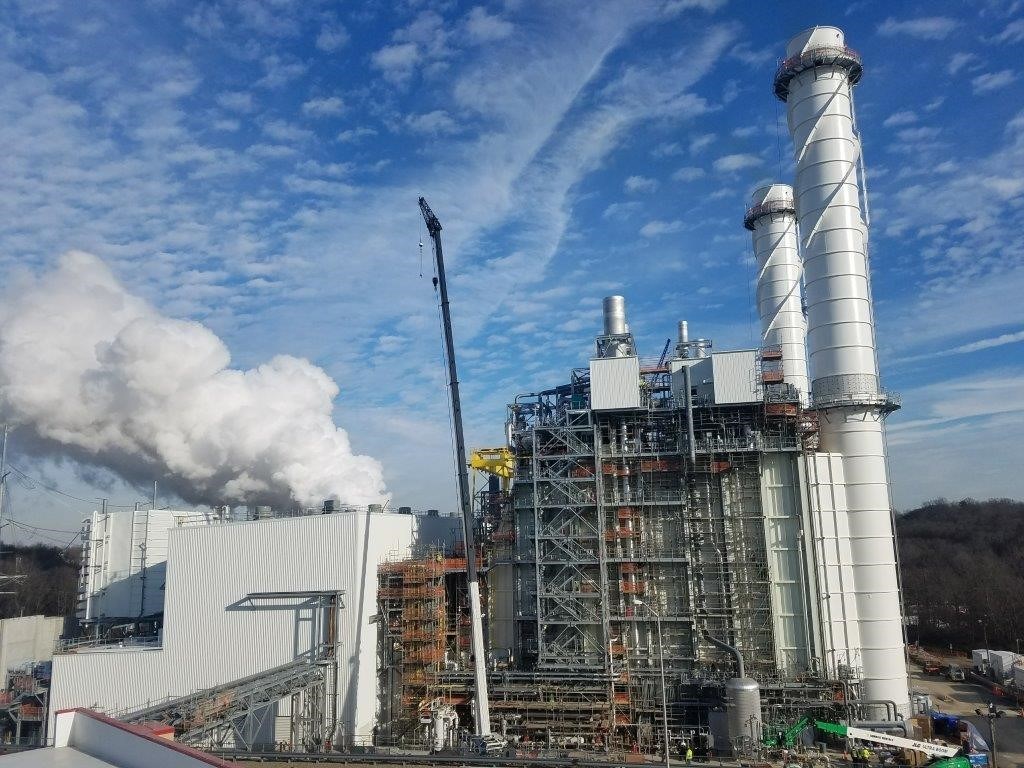
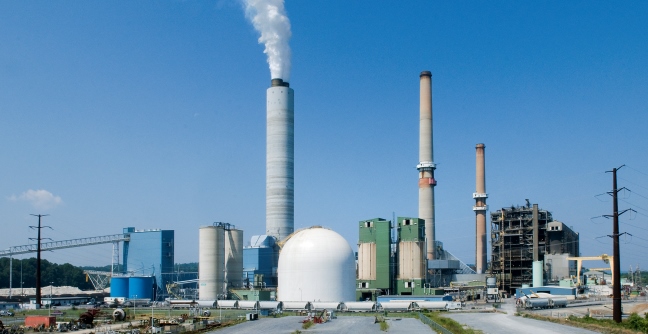
 Something momentous has just happened. The loons at the Sierra Club, who once loved natural gas until they began irrationally hating it, have just admitted to the world that burning natural gas to produce electricity is A.O.K. with them. Brunner Island Power Plant is located in York County, PA, straddling Lancaster County. It is a huge, 1,490 megawatt coal-fired electric generating plant, and has been the target of environmentalists for years. In February 2017, MDN told you that the new owner of the plant is investing $100 million to retrofit the plant so it can, at least part of the time, burn Marcellus Shale gas (see
  The Brunner Island Power Plant is located in York County, PA, but straddles Lancaster County. It is a huge 1,490 megawatt coal-fired electric generating plant, and has been the target of environmentalists for years. In February 2017, MDN told you that the new owners of the plant are investing $100 million to retrofit the plant so it can, at least part of the time, burn Marcellus Shale gas (see
 It’s not only power generating plants that are converting from burning coal to burning natural gas. York, PA paper manufacturer Glatfelter is working on a $63 million conversion project from coal-fired boilers to Marcellus Shale gas-fired boilers. Glatfelter considered other alternatives, like scrubbers for the current coal-fired boilers and using biomass boilers. In the end, Glatfelter said Marcellus Shale gas has “lower emissions, increased efficiency, lower variable costs” and supports “a resource critical to the state’s economic health.” Wise choice. The Glatfelter decision to convert to Marcellus Shale gas was highlighted yesterday at an economic forum in southcentral PA…