DRBC Reconsiders New Fortress LNG/NGL Shipping Dock on Dela. River
 There, now that’s the DRBC (Delaware River Basin Commission) we know and expect–obsequiously bowing before the likes of THE Delaware Riverkeeper and her environmental cousin, the Sierra Club. In June the DRBC approved a request by New Fortress Energy to build a $96 million 1,600-foot-long pier on the Delaware River (see DRBC Approves New Fortress LNG/NGL Shipping Dock on Dela. River). After being hounded (and threatened) by Riverkeeper and the Sierra Club for months over that approval, DRBC voted last week to “reconsider” its earlier decision. Their true colors shine through.
Read More “DRBC Reconsiders New Fortress LNG/NGL Shipping Dock on Dela. River”
 About a month ago ago Sempra Energy’s Cameron LNG project in Lake Charles, La. began to liquefy and export natural gas–some of it coming from the Marcellus/Utica region (see
  Any LNG (liquefied natural gas) export facility built or planned along the Eastern seaboard or Gulf Coast is critically important for the Marcellus/Utica. Why? Because they are BIG users of natural gas, big important (new) markets for our gas. Yes, M-U gas flows all the way to the Gulf Coast, to both Louisiana and Texas. Our friends at RBN Energy recently published the first in a short series providing an update on where U.S. LNG export demand and new projects stand. First up is a close look at LNG facilities at Elba Island (Georgia), Freeport (Texas) and Cameron (Louisiana).
 The CME Group, formerly known as the Chicago Mercantile Exchange, is a global derivatives marketplace based in Chicago–originally founded to sell physical commodities like grain and eggs. These days CME Group offers a range of financial trading products across all major asset classes, including those based on interest rates, equity indexes, foreign exchange, energy, agricultural products and metals. CME Group is in the process of launching the world’s first-ever physically-delivered LNG contract. What is that and how does that affect our region?
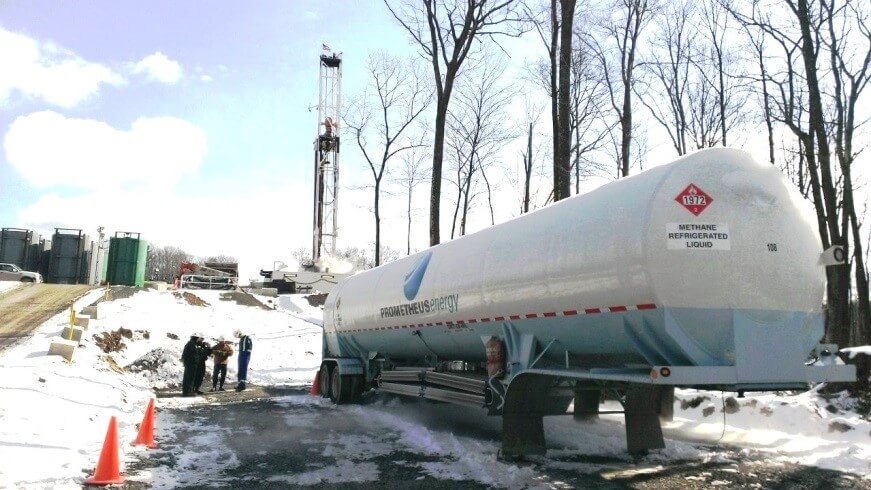
 New Fortress Energy is in the process of building the first (of two or more) LNG liquefying plants in Wyalusing, PA–nowhere near a shoreline. The company will truck (eventually rail) the LNG to a port located on the Delaware River along the New Jersey shoreline for export to Puerto Rico and other destinations. As we reported in July, work is now underway to clear the site before actual construction of buildings begins (see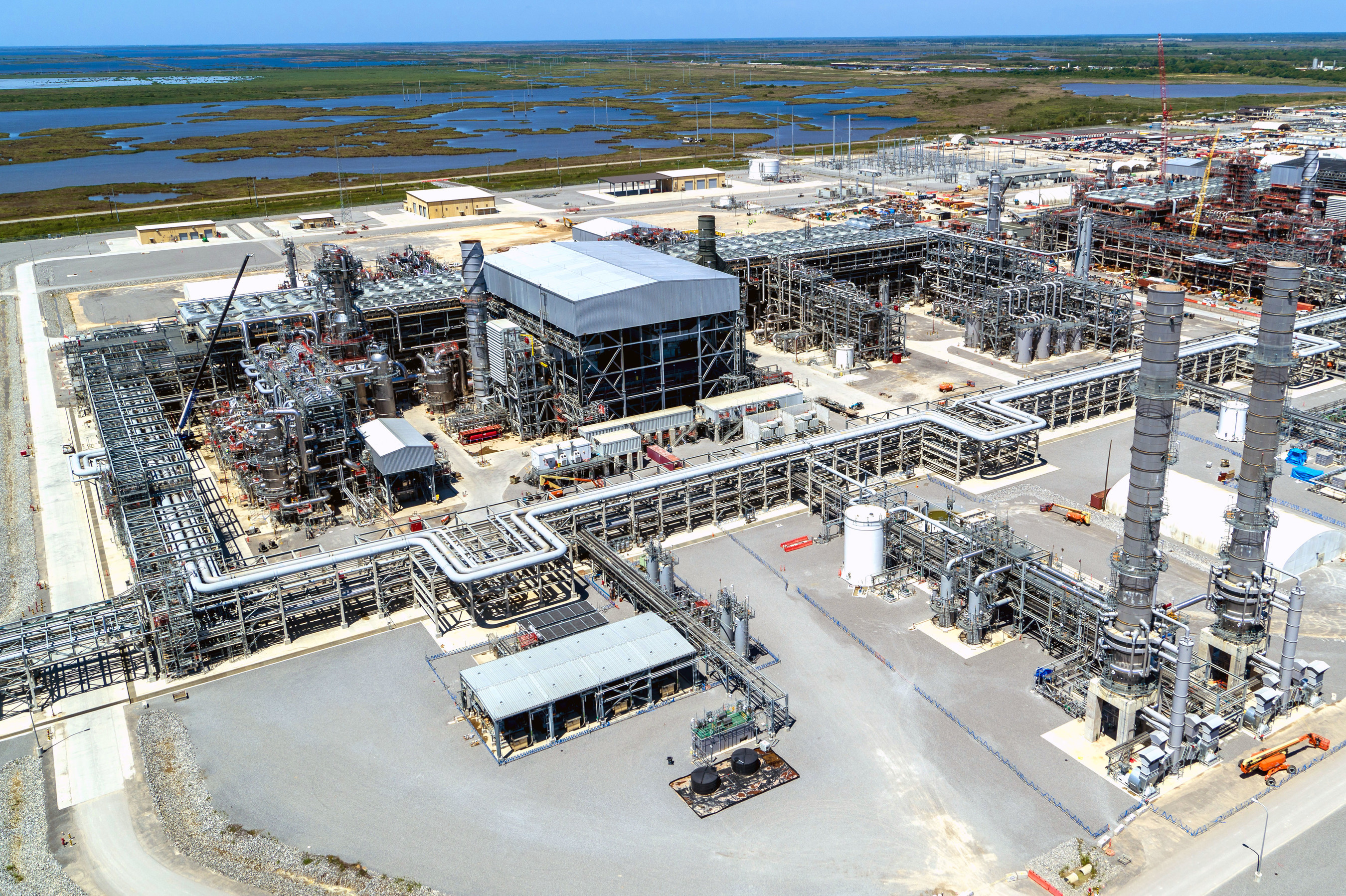
 Kinder Morgan, the largest pipeline company in the U.S., has left a string of broken promises about the date for which the first Elba Island LNG export plant “mini-train” would begin producing and shipping LNG. We’ve chronicled the journey extensively. According to an official update from KM in July, Elba was “in advanced stages of the commissioning and start up process, including LNG production” (see
  Last week MDN brought you an RBN Energy article that outlines how Marcellus/Utica gas hitches a ride to the Gulf Coast to feed several LNG export facilities–specifically the newly-minted Cameron LNG export facility (see
  Two radical left members of the U.S. House of Representatives–Chair of the House Committee on Transportation and Infrastructure Peter DeFazio (D-OR), and Congressman Tom Malinowski (D-NJ)–sent a follow-up letter to the Pipeline and Hazardous Materials Safety Administration (PHMSA) requesting an update on where the special permit for Energy Transport Solutions, LLC to move liquefied natural gas (LNG) by rail stands now that the public comment period has closed. The letter was not *really* about seeking information, but about threatening PHMSA, signaling that the agency had darned well better block LNG by rail. Or else.
 Score a (very) minor victory for THE Delaware Riverkeeper, Maya van Rossum, in her holy mission to block a new fully authorized and permitted LNG export loading facility due to get built on the New Jersey bank of her beloved Delaware River (she thinks she owns the river and “speaks” for it). Riverkeeper filed a Freedom of Information Act (FOIA) request with the Federal Energy Regulatory Commission (FERC) for information about a facility New Fortress Energy is planning for a former DuPont dynamite factory site in NJ.
 Marcellus/Utica gas hitches a ride to the Gulf Coast to feed several LNG export facilities. We previously outlined how some gas flows to Cheniere’s Sabine Pass LNG plant via Williams’ Transco system (see
  Last November MDN told you that Northeast Energy Center, backed by Liberty Energy and NorthStar Industries, is proposing to build an LNG liquefaction plant in central Massachusetts (see
  No doubt you’ve noticed the price of natural gas has been relatively low over the past few weeks, dropping from around $2.40 per thousand cubic feet (Mcf) a month ago to now flirting with $2/Mcf. The last time gas prices went below $2/Mcf was in 2016. One of the reasons, believe it or not, that the price has fallen dramatically over the past few days is because of a single LNG export facility–Cheniere Energy’s Sabine Pass facility (which exports some M-U gas).