
NTSB Urges Changes to PHMSA LNG-by-Rail Regs
 Yesterday MDN told you that 16 highly partisan, far-left Democrat attorneys general had filed comments opposing President Trump’s plan to allow LNG (liquefied natural gas) to be transported by special rail cars (see 16 Democrat State AGs Oppose Trump Plan to Ship LNG via Rail). Just coming to light are comments filed by the National Transportation Safety Board (NTSB) also opposing the new LNG-by-rail regs, as written. However, there’s a big difference between the 16 Dem AGs and NTSB objections…
Read More “NTSB Urges Changes to PHMSA LNG-by-Rail Regs”
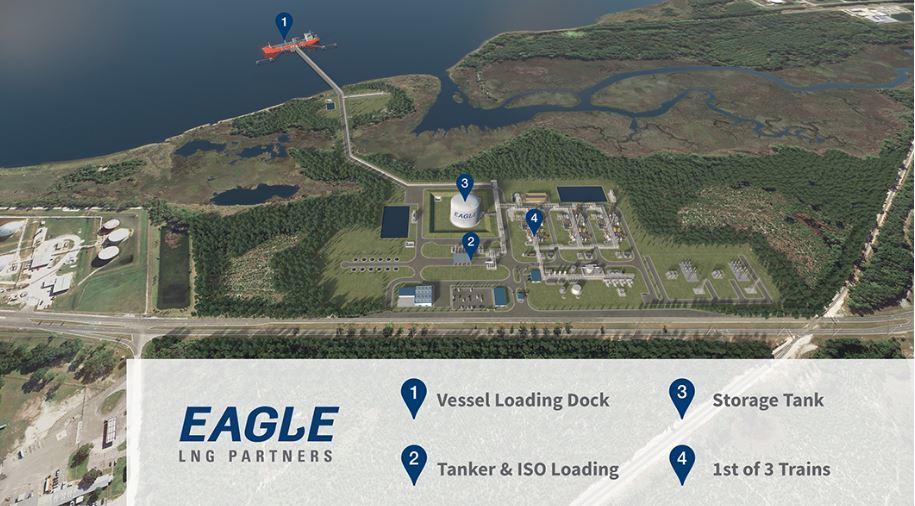
 A slight tweak and correction to a story we ran last week in which we speculated that the first four mini-trains at Kinder Morgan’s Elba Island LNG export facility are now up and running (see
  Last April President Trump issued an Executive Order directing the Secretary of Transportation to write a new rule allowing specially constructed tanker cars for railroads (DOT-113 tank cars) to ship LNG, i.e., liquefied natural gas (see
  MDN previously reported in mid-December the very first load of Marcellus molecules liquefied at the Elba Island, Georgia LNG export facility was loaded onto a ship and headed to Pakistan (see
  Last June Philadelphia City Council voted to approve a $60 million Marcellus LNG export facility, to be built on property owned by Philadelphia Gas Works (see
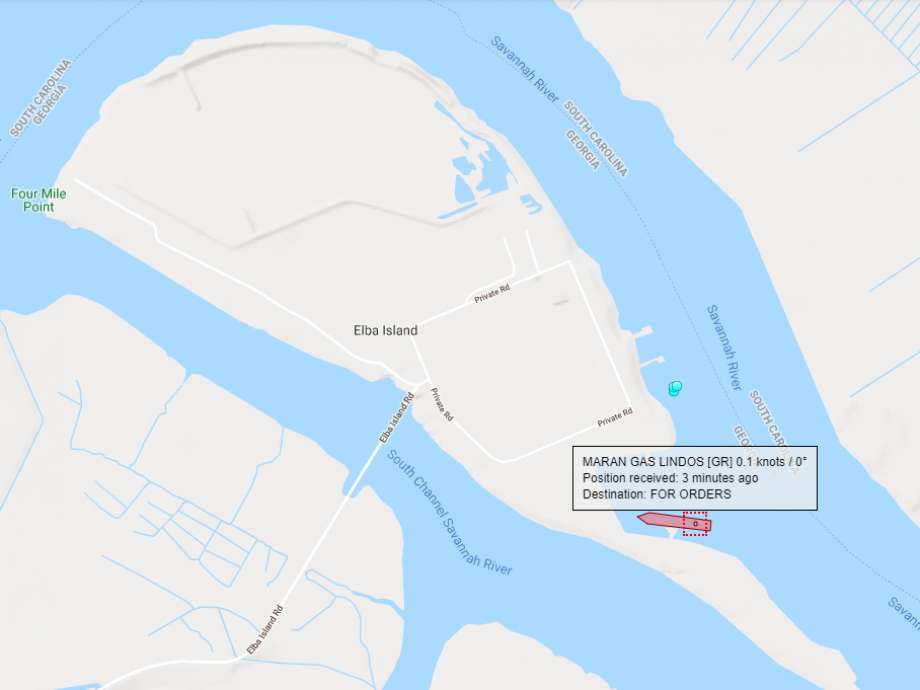
 Williams, the pipeline giant, held its annual analyst day in New York City last Friday. The company’s top brass was there to wow and woo investors with the company’s plans for 2020 and beyond. In reading about the session, we picked up on some startling statistics. Stats like Williams now provides 30% of all LNG feed gas in the U.S. And most of that (all of it?) comes from the Marcellus/Utica.
 As far as we can tell, MDN is exclusively breaking the following news: On December 5 (last Thursday), the PHMSA (Pipeline and Hazardous Materials Safety Administration) granted a special permit to Energy Transport Solutions, LLC (i.e. New Fortress Energy) to transport LNG in DOT-113C120 rail tanker cars between Wyalusing, PA and Gibbstown, NJ. This is huge! There still is not a new regulation/law to allow shipment of LNG by rail across the country, but somehow New Fortress has gotten a special permit to do so anyway. Huge!
 We’re always delighted to discover a new (for us) company involved in the supply chain–providing goods and/or services to the shale industry, including the downstream petrochemicals industry. Elliott Group is one of those companies not previously on our radar. Elliott’s U.S. headquarters is located in Westmoreland County, near Pittsburgh. The company designs, manufactures, and services turbomachinery, including centrifugal and axial compressors, steam turbines, and power recovery expanders. Elliott broke ground yesterday on a new facility in Jeannette where they will test their recently acquired product line of cryogenic pumps and expanders–equipment used in LNG plants.
 Sometimes the bad guy wins. That’s life. It’s just happened in New York State. National Grid has caved–bowing to the extortion demands of an autocratic governor (Cuomo) in order to stay in business. New York’s system of justice is now fully, completely, 100% corrupted by Cuomo. A very sad day here in New York. Cuomo has claimed victory over National Grid and any other utility that would dare to challenge his autocratic, dictatorial authority in the state by getting National Grid to not only give up its demand for a new pipeline (Northeast Supply Enhancement, NESE) to provide natural gas supplies, but to actually pay a $36 million fine (i.e. bribe) in order to stay in business. Democracy is gone. Hello tyranny.