
Freeport LNG Returns to Full Output Following Another Outage
 Freeport LNG has become something of a punchline for its frequent outages. Except it’s no laughing matter. Outages at Freeport have happened so frequently that we’ve lost count (see our Freeport outage stories here). According to gas flow data, one of Freeport’s three “trains” was (once again) out of commission last Friday and Saturday, but came back online over the weekend. Freeport is fed, in part, with molecules from the Marcellus/Utica. Antero Resources sells some of its molecules to the Freeport facility (see Antero 4Q: Sending Gas for LNG Exports to Gulf Coast & Cove Point). We suspect other M-U drillers also sell molecules to Freeport. Hence, our ongoing interest in this facility and its somewhat regular outages. Read More “Freeport LNG Returns to Full Output Following Another Outage”
 Sempra Infrastructure announced that its Port Arthur Pipeline Louisiana Connector has entered service, marking progress on U.S. energy infrastructure aimed at supplying global natural gas markets. CEO Justin Bird said the project was completed ahead of schedule and under budget. The pipeline will transport up to 2 billion cubic feet per day (Bcf/d) of U.S. natural gas, including Marcellus/Utica gas, to Port Arthur LNG Phase 1, which is now under construction with a nameplate capacity of about 13 million tonnes per annum (MTPA). The project links with the Gillis Hub Pipeline and the LA Storage facility under construction. It includes 72 miles of 42-inch pipeline and a compressor station.
  The Appalachian Basin, spanning Pennsylvania, West Virginia, and Ohio, has become America’s premier natural gas province, producing over 35 billion cubic feet daily (Bcf/d) in 2024. Driven by hydraulic fracturing in the Marcellus and Utica shales, private mineral rights, and low breakeven costs below $2 per MMBtu, the basin has reshaped *global* energy markets. How? Infrastructure constraints (lack of pipelines) and Mid-Atlantic political opposition prevent local LNG export terminal development. Even so, Marcellus/Utica gas underwrites domestic power markets, fuels digital infrastructure, and indirectly propelled the United States to become the world’s leading LNG superpower by displacing Gulf Coast gas for export liquefaction.
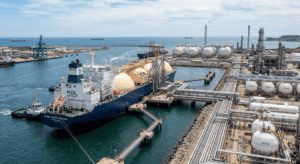
 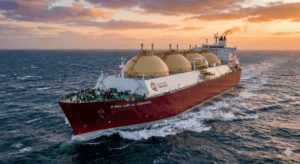 U.S. natural gas flows to LNG export facilities were set to hit a 16-week low of 15.1 Bcf/d on Tuesday, May 19, despite the anticipated return of QatarEnergy/ExxonMobil’s Golden Pass plant in Texas, according to LSEG data. Average flows dropped from a record 18.8 Bcf/d in April to 16.9 Bcf/d in May due to spring maintenance at multiple facilities, including Golden Pass and Freeport LNG.
  On March 18, President Trump issued a 60-day waiver pausing the enforcement of the Jones Act (see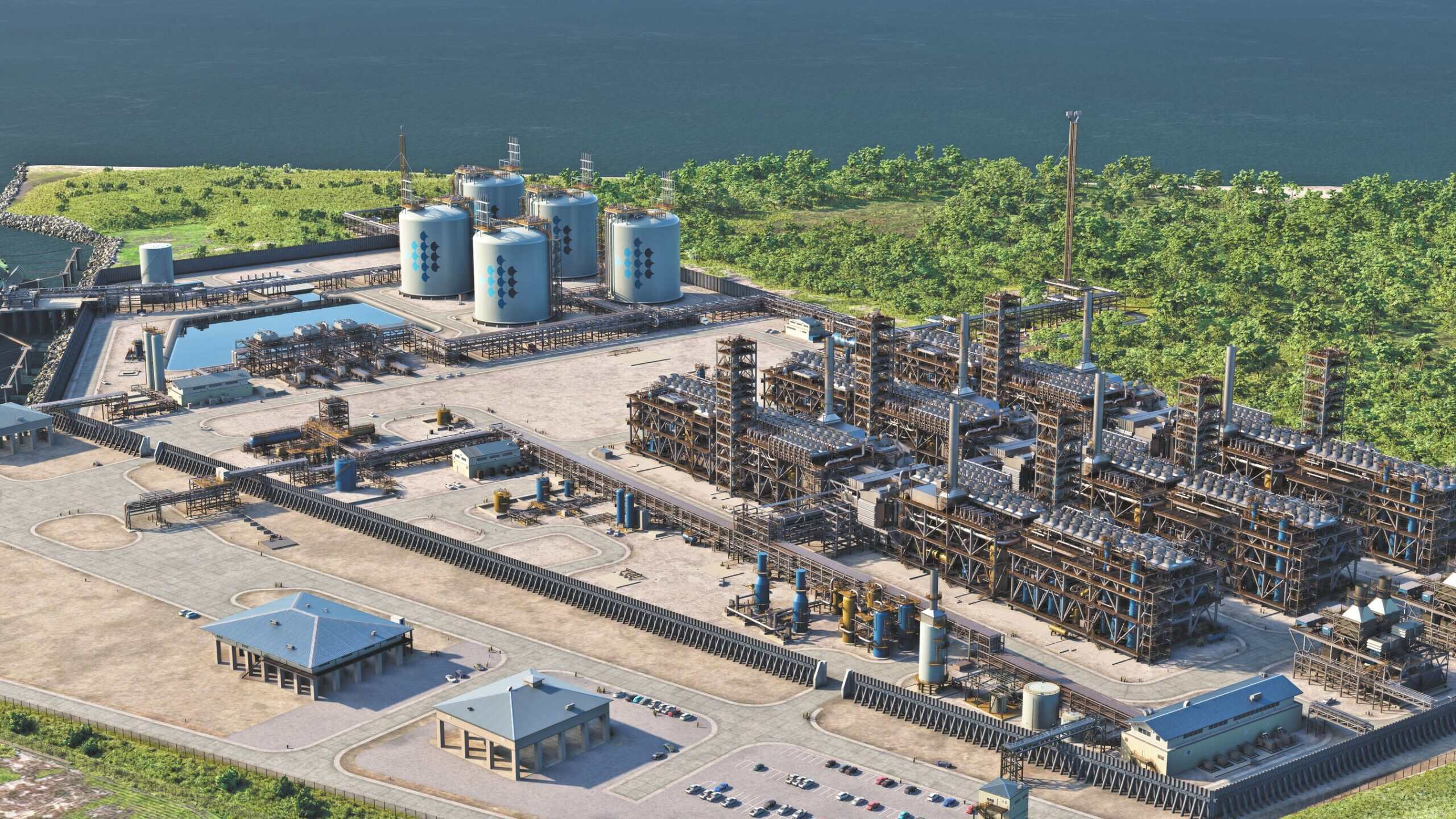
 Energy Transfer LP (ET) owns and operates one of the largest and most diversified portfolios of energy assets in the U.S., with approximately 140,000 miles of pipeline and associated energy infrastructure. ET’s strategic network spans 44 states and includes assets in all major U.S. production basins, including the Marcellus/Utica. The company issued its first quarter 2026 update last week. ET sees the Marcellus/Utica region as a key source of NGL supplies for its export operations, particularly exports from the Marcus Hook terminal near Philadelphia.
 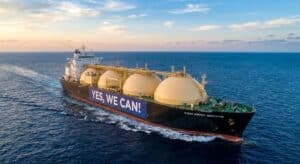 You’ve seen the headlines and maybe read the news that “Qatar supplies 20 percent of the world’s LNG.” Iran bombed Qatar’s LNG export facility in early March and took it offline. The world press had a stroke, predicting a natural gas Armageddon without 20% of LNG coming from Qatar. But what’s this? U.S. LNG exporters “have so far offset the drop in shipments from Qatar following Iranian attacks on its facilities” and the closure of Hormuz. We’ve been able to make up for the lost exports from Qatar.
  On Monday, President Donald Trump invoked the Defense Production Act (DPA) to channel federal funding toward domestic energy projects, specifically targeting liquefied natural gas (LNG), petroleum, coal power, and grid infrastructure. Empowering the Energy Department to bypass regulatory and financial hurdles, the move aims to curb rising electricity and gasoline costs ahead of the midterm elections while meeting surging power demands from the AI industry.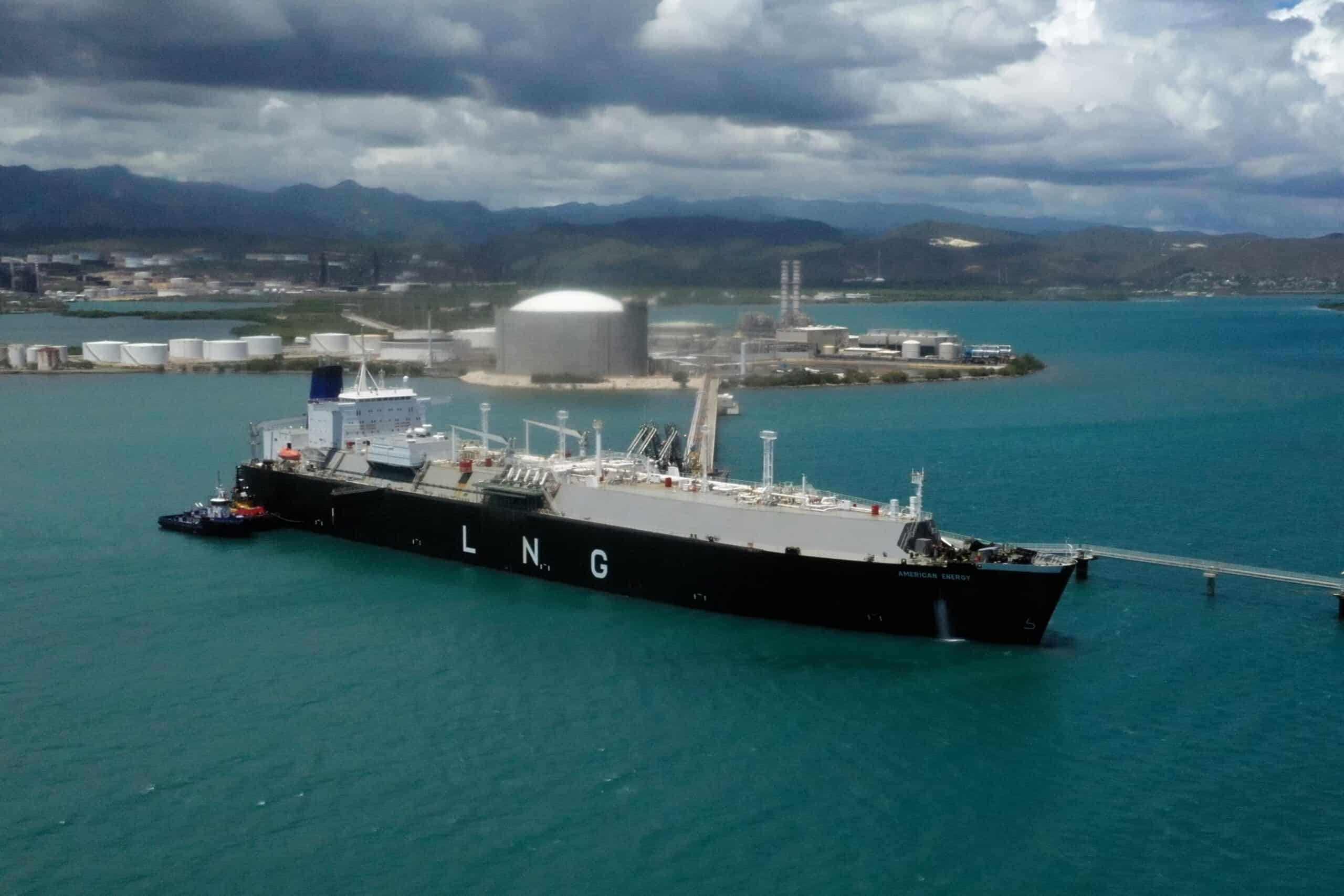
 The U.S. Energy Information Administration (EIA) forecasts U.S. natural gas net exports will keep rising through 2027, driven by expanding LNG capacity and stronger pipeline shipments to Mexico. Net exports are projected to reach 18.7 Bcf/d in 2026 and 20.5 Bcf/d in 2027. LNG exports should average 17.0 Bcf/d in 2026, then climb again in 2027 as new projects, including Corpus Christi, Golden Pass, Port Arthur, and Rio Grande, ramp up. Europe remains the leading destination, while Mexico’s power and LNG growth support pipeline demand. Imports stay minimal, and reduced Canadian imports reflect new Canadian LNG projects and rising Appalachian production serving Northeast markets.