
First Time Ever – Shale Insight Event to Involve OH & WV
 For the first time ever the Marcellus Shale Coalition is cooperating with two other major statewide oil and gas groups to host its signature event called Shale Insight. MDN editor Jim Willis has attended Shale Insight for the last four of its five years–and Jim has always noticed it’s a largely Pennsylvania-focused event. This year that all changes. Shale Insight 2016, to be hosted in Pittsburgh, will also be co-sponsored and co-hosted by the Ohio Oil & Gas Association (OOGA) and the West Virginia Oil and Natural Gas Association (WVONGA). This moves Shale Insight from a Marcellus-focused event to a Marcellus/Utica/Northeast-focused event. Very exciting! Here’s the good news…
Read More “First Time Ever – Shale Insight Event to Involve OH & WV”
 We are close to the endgame with respect to Pennsylvania adopting onerous new drilling regulations rammed through by the former Secretary of the Dept. of Environmental Protection, John Quigley. MDN reported in April that the state’s Independent Regulatory Review Commission (IRRC) voted to approve the new regulations (see
  Last July MDN told you that Talen Energy, an electric generation company based in Allentown, PA, had cut a deal to acquire MACH Gen, LLC, the owner of three natural gas-fired electric generating plants (see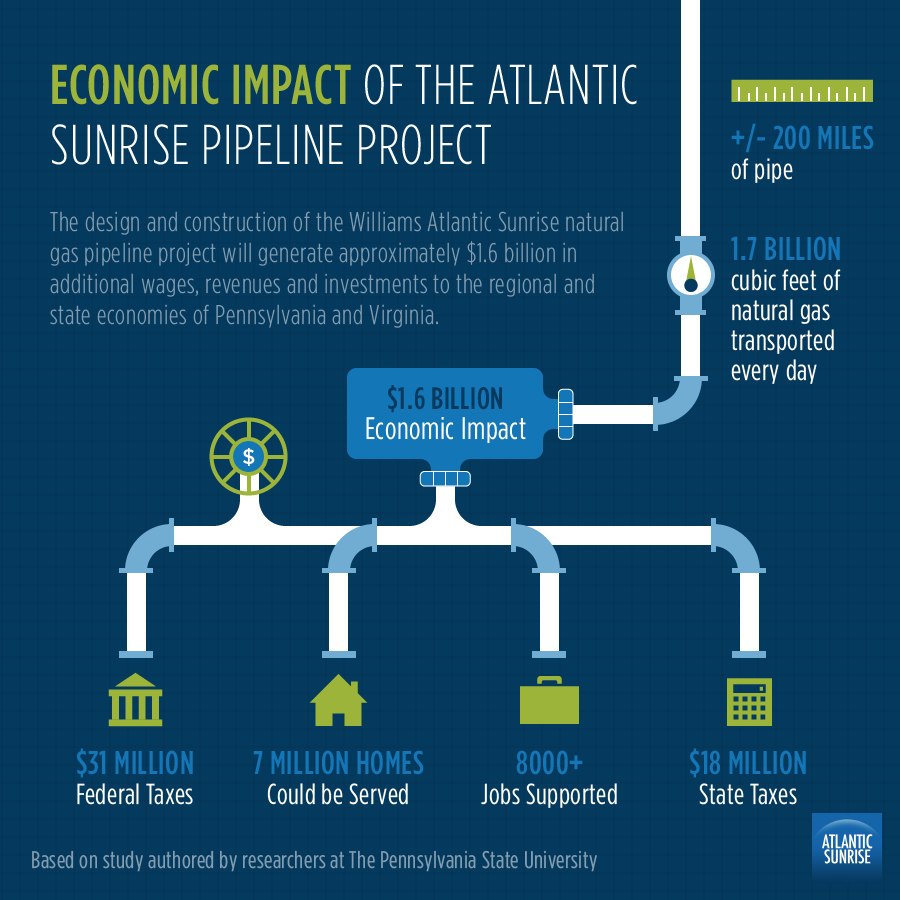


 Each year the Ben Franklin Shale Gas Innovation and Commercialization Center (SGICC) hosts an annual Shale Gas Innovation Contest. Last week the SGICC hosted their fifth annual contest and announced four winners that split an $80,000 prize purse. The four winners this year include: Aridea Solutions, valve manufacturer; Compass Natural Gas, a CNG (compressed natural gas) station supplier; Epiphany Water Solutions, a wastewater recycler; and someone we personally know and like a great deal–Donny Beaver with HalenHardy, who won for yet another superb product (from an ingenious and serial entrepreneur). Donny’s new product is called SPILLTRATION™–a product engineered to absorb and contain oil-based leaks and spills while allowing clean water to be filter through. Read on for a description of the products/services that won. A huge congrats to our friend Donny!…
 In the end, it was John Quigley’s own hubris that resulted in his demise as Secretary of the Pennsylvania Dept. of Environmental Protection. As we reported yesterday, last Friday Sec. Quigley suddenly resigned his position (see
  What has happened to one of the world’s finest research universities? A press release issued yesterday by Penn State touts their participation in helping set up a seismic monitoring system throughout Pennsylvania. In the announcement, Penn State researchers openly admit this about a series of tiny quakes in western PA that couldn’t be felt at the surface: “We have not done enough analysis of the data to make any conclusions yet, but there is a correlation spatially and temporally between the fracking and the earthquakes.” In other words–“We haven’t actually done the research, but we’re going to say there’s a connection between fracking and earthquakes–because we feel like it.” That’s not science–that’s politics. Real scientists observe first, then conclude. Penn State is reversing that order–they already have their conclusions, now it’s just a matter of warping the observations to fit their conclusions. Sad…
 New research just published by Indiana University confirms what those with common sense already knew: If at least some of the fees paid by drillers go into the local township’s coffers instead of the county or state–people in that community are more accepting and favorable to drilling. IU questioned 453 PA residents in June 2014 (takes a long time to publish research) asking a variety of questions. The research shows that the public has more trust that revenues will be spent better by their local municipal government than by the county or state. Don’t you just love it when common sense breaks out? Of course PA’s far-left/liberal governor, Tom Wolf, is tone deaf when it comes to taxing the Marcellus industry. He wants to grab all the money he can and give it to teachers unions. PA has an impact fee which keeps 60% of fees raised local–a plan that works. Wolf wants to add a severance tax on top of the impact fee, which would create the nation’s highest severance tax rate (see
  The U.S. Dept. of Energy’s National Energy Technology Laboratory (NETL) selected Penn State University to lead a consortium of nine universities in all that will study fossil fuel technologies for the next six years. NETL is giving Penn State $20 million of your money (i.e. taxpayer’s money) “to accelerate the development and deployment of fossil fuel-based technologies.” We can certainly think of worse uses for the money. Penn State will lead the Lucky University CoalItion for Fossil Energy Research (LUCiFER). Uh no! That’s not right! Let’s try it again: Penn State will lead the University Coalition for Fossil Energy Research (UCFER). There, that’s it! Here’s what the feds said, and what Penn State said, about the new grant and the new UCFER coalition…
 Two more partisan organizations in Pennsylvania are publicly supporting PA Gov. Tom Wolf’s proposed redo of drilling regulations–regulations that threaten conventional and unconventional drilling in the state. The fact that the radical PA Trout Unlimited and the League of [Liberal Democrat] Women Voters of Pennsylvania are supporting the Dept. of Environmental Protection’s update of Rule 78 and 78a is all you need to know about just how bad a proposal it is. These groups join other anti-drilling groups in supporting the new rules (see
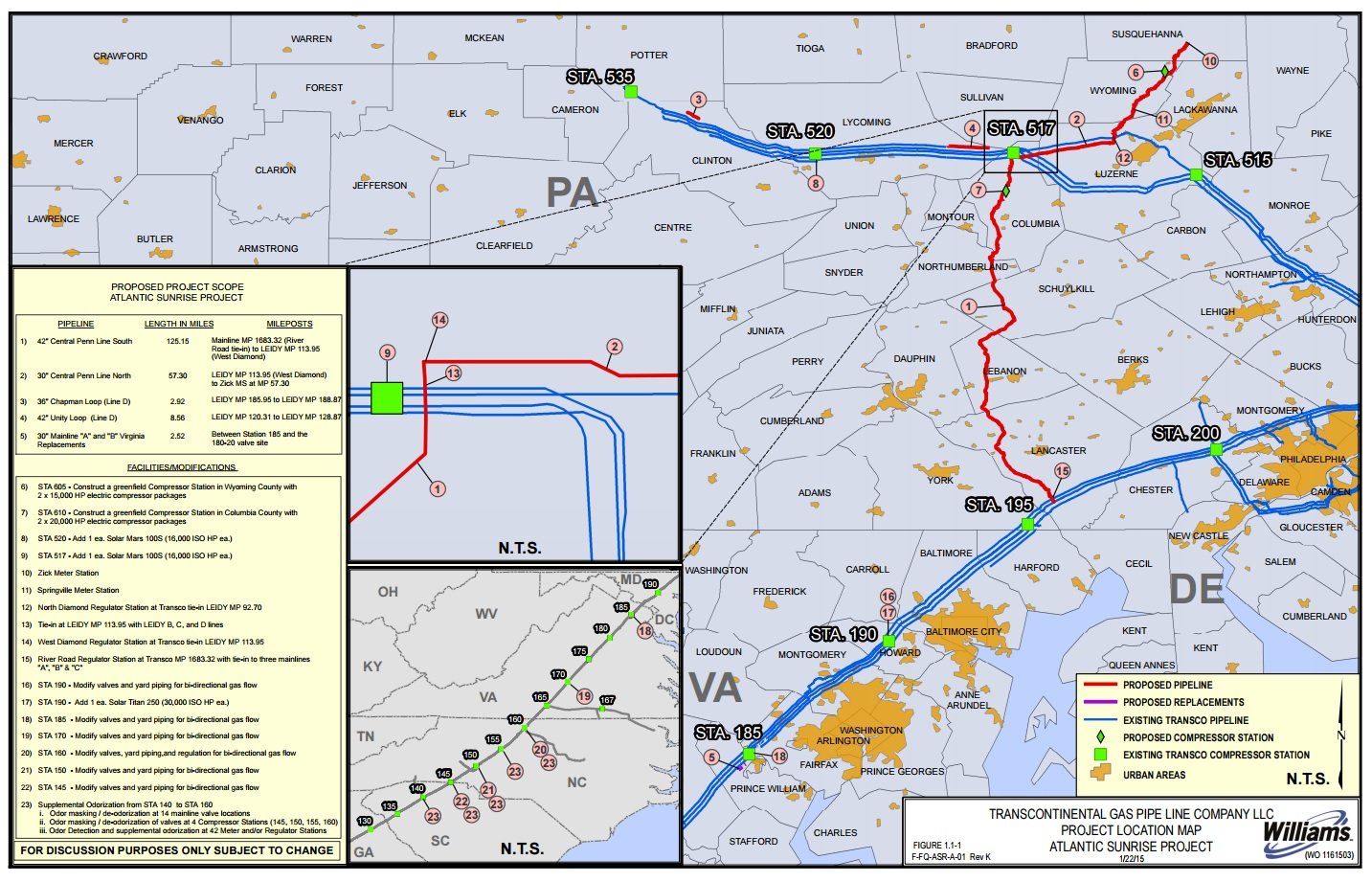
  It’s time to sue THE Delaware Riverkeeper out of existence. The group is a litigious nuisance and anti-American. It is led by Maya van Rossum and fed by money from the Heinz Endowments and William Penn Foundation. Even with repeated calls the IRS has refused to investigate violations of the group’s non-profit status. The latest outrage from this group of virulent radicals is to launch a lawsuit to try and stop Williams’ Atlantic Sunrise Pipeline project through southeastern PA. Just last week Williams received a favorable Environmental Assessment (EA) from the Federal Energy Regulatory Commission (see
  Pittsburgh, PA has two major newspapers–the Post-Gazette and the Tribune-Review. We’re talking general interest newspapers. There’s also the Pittsburgh Business Times, a great paper but niche and focused on business only. Of the two general interest newspapers, the Post-Gazette is obviously owned and operated by liberal Democrats. They tilt somewhere left of Vlad Putin on the editorial page. The Tribune-Review, however, is a balanced paper and not beholden to the Democrat machine in PA the way their rival is. There’s no better way to illustrate that then the Post-Gazette’s love and adoration of current Dem Gov. Tom Wolf and his proposed punitive taxes the Marcellus Shale industry. The Post-Gazette LOVES Wolf’s idea for a severance tax and berates the gas industry for not “doing its part.” The Tribune-Review, on the other hand, takes a more balanced approach. In a recent editorial, the Tribune-Review points out Wolf’s latest severance tax proposal, if passed, would be the highest in the nation. They also point out Wolf’s income tax increase and minimum wage proposal would decimate the state economically…