Range Confirms Talking with Data Centers to Provide Gas for Power
 Yesterday, MDN reported on Range Resources’ third quarter update (see Range 3Q Update: Adding 47 Wells in 2024, NGLs Boost Revenue). We left some things out of our analysis—important things. Range executives said they expect a big increase in natural gas demand right here in Marcellus/Utica and next door in the southeast. The M-U produced 34 Bcf/d in 2023. Range management believes that number will soar to as much as 40 Bcf/d by 2028—in a span of five years. Where is the new demand coming from? Read More “Range Confirms Talking with Data Centers to Provide Gas for Power”
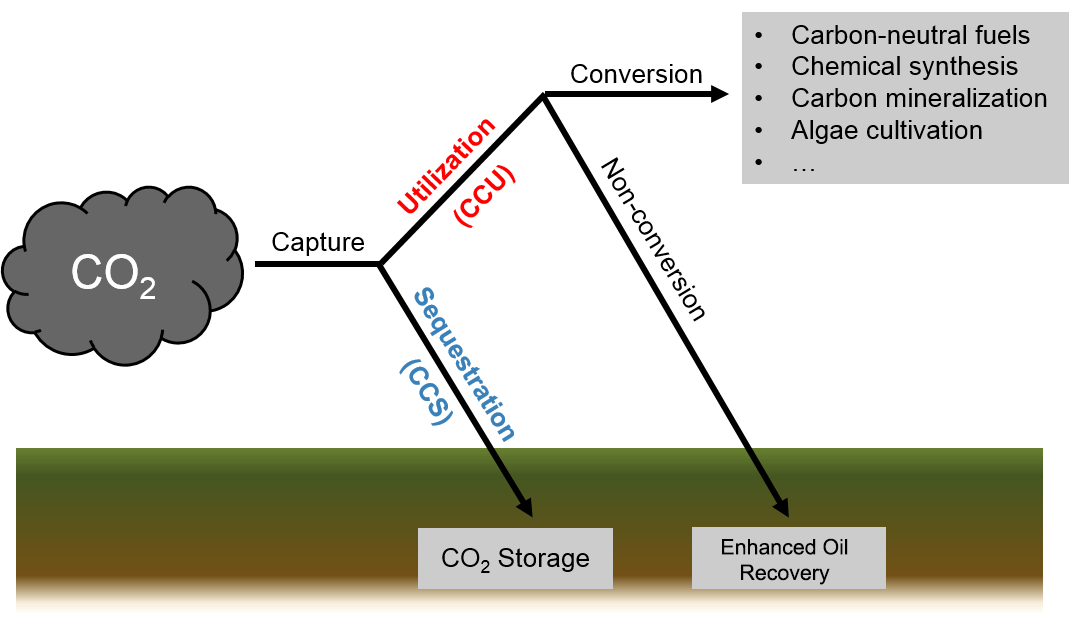
 The Biden-Harris administration continues to spend money like drunken sailors. They can’t hand it out fast enough ahead of November 5th. We can’t even count how much has been doled out just this week—certainly several billion dollars. Some of the money flowing out of D.C. this week ($44 million) will go to a project that is part of the Appalachian Regional Clean Hydrogen Hub (ARCH2) to establish new carbon dioxide injection wells, one in Marshall County, WV, and one in Belmont County, OH.
  As we outline in a companion post today, the Biden-Harris Department of Energy is investing $44 million in a project to drill two carbon dioxide injection wells, one in West Virginia and the other in Ohio (see DOE Spends $44M on Drilling CO2 Injection Wells in WV & OH). Some companies are ready to dive into the CCS pool. Others in our region are also exploring the carbon capture and sequestration (CCS) space but are proceeding a bit slower, dipping their toes first. Power plant and energy-trading giant Tenaska and Marcellus/Utica driller EQT are “cautiously moving ahead with plans to develop carbon storage projects in the region.” Both indicate it will take “years to develop” carbon injection wells. They both plan to have carbon wells operating in the next 5-10 years.
  Last week, MDN brought you a story about a developing issue of who, ultimately, should pay to build out new electricity sources for data centers (and AI) that increasingly use huge amounts of power (see
 MARCELLUS/UTICA REGION: Coterra moving/downsizing its Pittsburgh office; Pennsylvania to get $244M more for abandoned mine land cleanup; WATT Fuel Cell wins Technology Innovation Leadership Award; Blue Bird delivers first fleet of propane-powered buses to Philadelphia; OTHER U.S. REGIONS: Exxon Mobil, Qatar get 3-year extension to build their LNG plant in Texas; NATIONAL: Patterson-UTI offers sobering outlook for natgas, drilling in 2025; BP Energy Partners announces growth investment in Novitech; Propane buses drive the future of student transportation; INTERNATIONAL: Globe on course for warming of up to 3.1C, warns UN; Oil drops amid supply glut fears.
  Encino Energy wants to establish new oil and gas wells on Leesville Lake lands owned by the Muskingum Watershed Conservancy District (MWCD) in Carroll County. The conservancy district’s board of directors is expected to consider a lease agreement with the company’s Ohio affiliate at its meeting tomorrow. The left is apoplectic. The MWCD manages over 54,000 acres of land in Ohio. Over the past decade, the MWCD has leased over half of that land for shale drilling. This isn’t the conservancy’s first rodeo with shale drillers. Encino is one of four operators the MWCD has leased with and is the largest of the four that leases MWCD-owned acreage.
  What seemed like a failed exploration in the early 2000s turned into a global economic and geological treasure that helped turn the U.S. into the largest natural gas producer in the world. Thanks to the grit, determination, and belief that there was more to explore, the Range Resources team of 2004 successfully completed the first viable Marcellus Shale exploratory well – the Renz #1 – in Mt. Pleasant Township, Washington County, PA. Range personnel and other officials gathered earlier this week to mark the anniversary and view a new historical landmark plaque that will be installed at the Renz well site next spring.
  Range Resources Corporation, the very first company to drill a shale well targeting the Marcellus Shale layer in Pennsylvania (in 2004), issued its third quarter 2024 update yesterday. Range produced 2.2 Bcfe/d in Q3. The company said it now expects 2024 production to average 2.17 Bcfe/d, up ~2% over the last three years as a result of well performance and optimized gathering and compression. Liquids are expected to comprise more than 30% of production and a big reason why the company made $50.6 million in profit for the quarter.
  Yesterday, EQT announced that the company had reached so-called “net zero” emissions for Scopes 1 and 2 more than a year earlier than planned. The milestone includes assets purchased and added to the company from Alta Resources and Tug Hill/XcL Midstream. However, it does not include the assets added from the Equitrans Midstream merger in July. The company has replaced over 9,000 pneumatic devices, electrified its fracking fleet, and implemented new technologies to monitor methane emissions. According to EQT, it has paid off.
 Here’s something the radical left in mainstream media that demagogues LNG-by-rail either doesn’t know or is covering up: There are some trains *already* transporting LNG on rail cars today, despite a ban on the practice by the Bidenista. How? Some trains use LNG as fuel for the locomotive engines that pull the train. The LNG is stored in a specially outfitted rail car, the same type of car now banned by the Pipeline and Hazardous Materials Safety Administration (PHMSA). LNG-for-fuel is being used by at least one railroad (in Florida) every single day. Meaning all of the howling from the left about “bomb trains” hauling LNG through populated communities is nonsensical garbage.
  This morning, Diversified Energy Company (formerly Diversified Gas & Oil) announced it had signed a deal to supply 40 billion cubic feet (Bcf) of natural gas over three years to a “major Gulf Coast LNG facility” for exporting. The contract begins in November (next month!), which means even though Diversified isn’t (yet) willing to identify the LNG export facility, it will sell to a facility already up and running and not fully supplied, limiting the pool of potentials to a handful. The announcement says more details about the deal will be released in the company’s forthcoming third quarter update.
  Yesterday, the radicalized Clean Air Council and Environmental Integrity Project filed a rulemaking petition with the Pennsylvania Environmental Quality Board (EQB) asking the EQB to increase minimum setback distances from fracked wells. Setbacks, also referred to as protective buffers and no-drill zones in the context of fracking, are mandatory distances that fracked wells must abide by to keep them away from homes, schools, hospitals, drinking water wells, and surface water. PA already has a safe and sufficient setback of 500 feet. The groups want that increased by 650% to 3,281 feet. It would ban approximately 95% of all new shale wells in the state.