
Cuomo-Corrupted DEC Denies Permit for Williams NESE Pipe Project
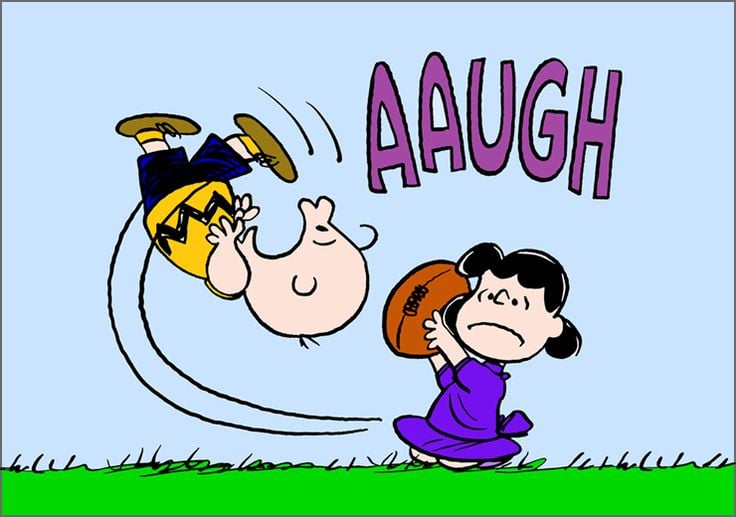 A new fight is shaping up in the (crumbling) Empire State. Once again Andrew Cuomo, at the prompting of Big Green groups (corrupted by their big donations to his campaign war chest) has instructed his lackeys who run the Dept. of Environment Conservation (DEC) to reject a modest pipeline expansion proposal by Williams’ Transco Pipeline subsidiary. The project, which we’ve previously written about and are actively promoting, is called the Northeast Supply Enhancement (NESE) project (see Time to Support Transco’s Northeast Supply Enhancement Project). The project is meant to increase pipeline capacity and flows heading into northeastern markets. Transco wants to provide more Marcellus natural gas to utility giant National Grid beginning with the 2019-2020 heating season. National Grid operates in New York City, Long Island, Rhode Island and Massachusetts. There are a number of components to the project, but the key component, the heart of the project, is a new 23-mile pipeline from the shore of New Jersey into (on the bottom of) the Raritan Bay–running parallel to the existing Transco pipeline–before connecting to the Transco offshore. In a pattern we’ve seen before, the DEC claims, falsely, that an application for a state water crossing permit is “incomplete.” The DEC, like Lucy with her football in the old Charlie Brown cartoons, offers the promise that “if only” the pipeline company will submit a “complete” application THEN they will approve it. But just like Lucy with the football, when the company gets close, the DEC pulls it away yet again. Fool me once… The DEC used this same tactic to defeat the Constitution Pipeline project. It sure feels to us like “here we go again”…
Read More “Cuomo-Corrupted DEC Denies Permit for Williams NESE Pipe Project”

 Blue Racer Midstream is a pipeline and processing plant company–a joint venture between Caiman Energy II and Dominion Energy–that owns several natural gas processing and fractionation plants, 570 miles of natgas gathering pipelines, and 151 miles of NGL and condensate pipelines in OH and WV. The company’s primary focus from the beginning has been on handling and processing “wet gas” in eastern OH, northern WV and western PA. Blue Racer processes and transports NGLs (natural gas liquids) to market by all means possible–pipeline, rail and yes, even barge (see
 Our favorite government agency, the U.S. Energy Information Administration, yesterday took a close look at natural gas production in Pennsylvania and how it has grown. A few interesting factoids: PA averaged a record high 15 billion cubic feet per day (Bcf/d) of natural gas production in 2017–3% higher than 2016. Most of PA’s natural gas production comes from the Marcellus Shale. PA production accounted for 19% of total U.S. marketed natural gas production in 2017. PA produces more natural gas than any other state except Texas. Several key pipelines have helped move some of PA’s enormous production to other markets. Here’s the insightful look at PA natgas production from expert number crunchers at EIA…
 Government agencies, like the Federal Energy Regulatory Commission (FERC), share many of the same characteristics with business entities. For example, each has its own standard operating procedures (SOPs)–the rules that govern how that organization operates. In 1999 FERC adopted SOPs for how it reviews and decides on which pipeline projects it will approve, or not approve (called “Certification of New Interstate Natural Gas Pipeline Facilities – Statement of Policy”). Since 1999 FERC has operated pretty much the same way, taking into consideration certain factors, discounting or ignoring other factors, when approving pipeline projects. It’s time to update FERC’s SOPs. Last week FERC launched a review of its policies in reviewing pipeline projects and has invited the public to provide comments. Anti fossil fuel nutters have been the first in line, hoping to get FERC to adopt policies so strict no pipelines will ever again be approved. Antis have for years lied about FERC’s role in reviewing pipelines, calling the agency a “rubber stamp” approving 99% of the pipeline projects submitted. What antis don’t tell you is that FERC has provided negative feedback for many (most?) pipeline projects, causing the builder to either change the project plan or abandon it altogether. Under current SOPs pipelines either get built “the right way” according to FERC’s strict standards, or the project is withdrawn with no need to be rejected (hence the high “approval” rate). Here’s more background and context for what FERC may be looking to change about the way it approves pipeline projects…
 Oilfield services company (OFS) Mammoth Energy Services, headquartered in Oklahoma City, OK, operates in both the Utica Shale and Permian Basin. Last time we checked in on the company was over a year ago. At that time MDN reported that Mammoth, a relatively new company formed in 2014, had bought itself a pair of sand mines (see
  The “best of the rest”–stories that caught MDN’s eye that you may be interested in reading: FirstEnergy reaches agreement with creditors for bankrupt subsidiaries; Cheniere settles Sabine Pass LNG tank issues; Colorado energy, manufacturing pushes back on Boulder idiotic climate change lawsuit; gas growth in Okla.; the new EPA and why it drives radicals crazy; the most “hated” sector in the stock market – natgas; if solar and wind are so cheap, why is electricity so expensive?; appreciating fossil fuels on Earth Day; enviro protectionism run amok; the role of accurate weather forecasts in the energy industry; anti-energy policies at the World Bank; and more!