
Second Utica-Fired Power Plant for Facebook Nears Approval in Ohio
 In early April, MDN brought you the exciting news that pipeline giant Williams, via its subsidiary, Will-Power, is planning to build two Utica/Marcellus gas-fired power plants in the New Albany International Business Park in Licking County, Ohio (see Williams Subsidiary Unveils Plans for Gas-Fired Power Plant in Ohio). The two projects are called the Socrates North and Socrates South power plants and will power a data center complex at that location. In early June, the Ohio Power Siting Board (OPSB) authorized and approved construction for the Socrates South project (see OH Approves Williams Gas-Fired Plant to Power Facebook Data Center). Good news! The OPSB is now close to approving Socrates North. Read More “Second Utica-Fired Power Plant for Facebook Nears Approval in Ohio”
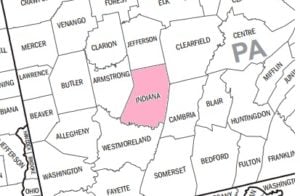 In April, Knighthead Capital Management, Homer City Redevelopment (HCR), and Kiewit Power Constructors Co. announced a plan to convert the former Homer City Generating Station, previously the largest coal-fired power plant in Pennsylvania (Indiana County, 50 miles east of Pittsburgh) into a more than 3,200-acre natural gas-powered data center campus, designed to meet the growing demand for artificial intelligence (AI) and high-performance computing (see
  Each fall in the September/October timeframe, Cove Point LNG shuts down for a few weeks (typically around three weeks) for annual maintenance. That time has arrived. According to a notice posted on the Berkshire Hathaway Energy Informational Postings website, reductions in flows to the Cove Point facility will happen between Monday, September 15, and Friday, October 10 (a whole month). Having said that, feedgas flows will not be zero during all of that period, but will be significantly reduced.
  A new group, the
  Last week, MDN told you that there was a disagreement brewing between those who operate the PJM Interconnection power grid and Big Tech, including Amazon, Google, Microsoft, and others, regarding the issue of adding data centers to the PJM grid (see
  We’ve railed against the Jones Act for years. The Jones Act, passed in 1920, requires goods shipped between U.S. ports to be transported on ships that are built, owned, and operated by U.S. citizens or permanent residents. The problem is, big LNG tankers are all built, owned, and/or operated by foreign countries. You can’t fill up an LNG tanker in Sabine Pass or Cove Point and float it into Boston Harbor and unload it because the ship is not “U.S.-flagged.” It’s illegal under the Jones Act. We came close to repealing it during the first Trump administration, but ultimately failed (see
  The American Exploration & Production Council (AXPC) yesterday released a new study (full copy below) analyzing the upstream oil and natural gas sector’s profound impact on the U.S. economy. The study found that upstream, onshore independent producers supported 3.1 million jobs nationally, contributed to $277 billion in labor income, and paid $129 billion in taxes — accounting for 87% of the sector’s total economic contributions in 2024. As vital contributors to America’s energy security, independents accounted for over 85% of onshore crude and condensate production and over 90% of onshore gas production from 2022 to 2024.
  OTHER U.S. REGIONS: Charleston quietly walks away from dismissed climate lawsuit; NATIONAL: U.S. natural gas futures extend winning streak; Could Trump use national security measures to block offshore wind?; INTERNATIONAL: WTI tops $64 amid geopolitical strain; Canada approves West Coast LNG export project; The whole world has soured on climate politics.