Antero 3Q Update: Canceling 300 MMcf/d Pipe Capacity in 2021
 Antero Resources, one of the largest drillers in the Marcellus/Utica, working primarily in West Virginia, issued its third-quarter 2020 update yesterday. The company lost $536 million due to a $749 million “unrealized commodity hedge movement in fair value.” High finance stuff. Production averaged 3.8 billion cubic feet equivalent per day (Bcfe/d), which includes a lot of liquids (NGLs).
Read More “Antero 3Q Update: Canceling 300 MMcf/d Pipe Capacity in 2021”
 We spotted a couple of stories, one in Barron’s the other in the Wall Street Journal, about the pickup in the futures price of natural gas over the past week, and how those recent gains have led to impressive gains in the share price for Marcellus/Utica drillers. Yesterday the NYMEX Henry Hub futures price closed up 4.11% to $2.74/Mcf. The rising tide lifts all boats.
 An unusual situation for permits to drill new wells for last week. Pennsylvania only had 5 new permits while West Virginia had 12 new permits. It’s typically the other way around. Could this be the beginning of the effects from PA raising the permit fee from $5,000 to $12,500 per well? Maybe! Ohio had no new Utica permits issued last week. Drilling seems to have slowed in the Buckeye State.
 Peregrine Energy Partners, headquartered in Dallas, Texas, continues a program to buy royalty rights in the Marcellus/Utica. Peregrine announced yesterday the company has cut a deal to buy “producing royalties in Doddridge County, West Virginia from several private sellers.” The private sellers are landowners/rights owners with wells drilled by Antero Resources and Jay-Bee Oil & Gas. No details on how much the deal was for.
 In June, Antero Resources, one of the biggest (and best) Marcellus/Utica pure play drillers concentrating most of their drilling in West Virginia, sold an overriding royalty interest (ORRI) in all of their wells for $402 million (see
  A word you will likely see a lot more of in quarterly updates by oil and gas drillers across the country is the word “impairment.” It’s an accounting term that means the value of an asset (leased acreage or wells) is adjusted, down, to reflect a company’s best guess as to how much revenue that asset can generate. We wrote about impairments back in 2015 (see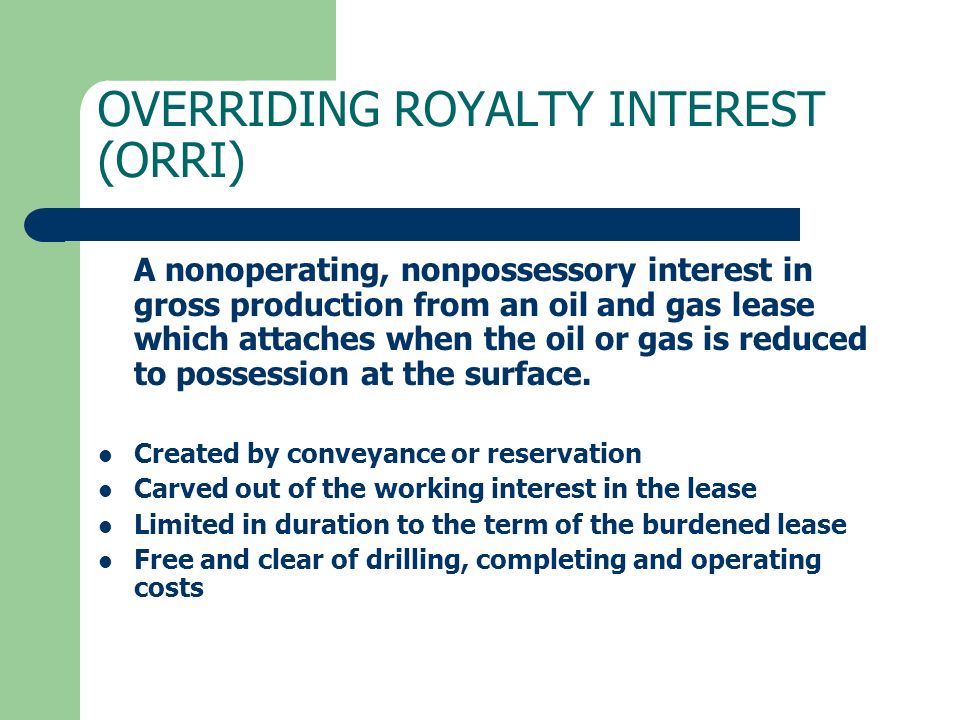
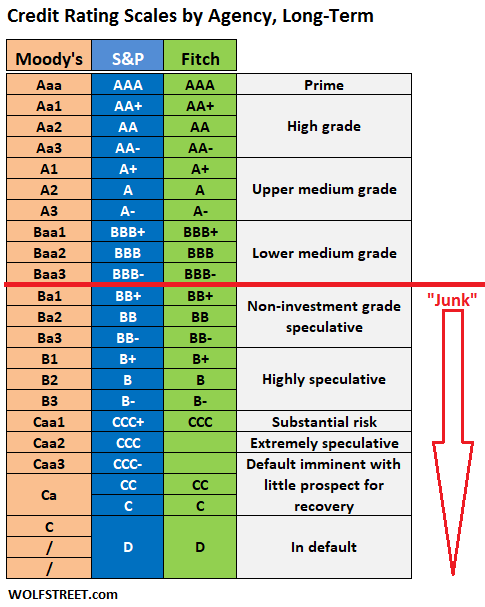
 Wow! What a difference three months can make. In January Moody’s Investors Service downgraded EQT Corporation’s bonds to “junk” status (see
  Antero Resources issued its first-quarter 2020 update yesterday, delivering outstanding earnings guidance that “completely caught Wall Street and the bears off guard.” Management cut 2020 capex by $250 million, to $750 million (41% lower than 2019) while maintaining current production. Antero said it will hit $175 million free cash flow *this year* by spending less and producing the same.
 With yesterday’s historic crash in the price of West Texas Intermediate (WTI) oil comes a big boost in the stock price for a number of Marcellus/Utica drillers. As we’ve outlined multiple times, but will repeat here again, stock traders believe that with the crash in oil prices and U.S. shale oil drillers laying down rigs faster than we can count, the high volume of “associated gas” coming from the oilfields will vastly decrease. That means less supply in the market. With less supply and the same (or increasing) demand comes higher prices for natgas. And higher prices for natgas means more profits and likely more new drilling for Marcellus/Utica drillers. Hence, investors are snapping up stocks for M-U drilling companies.
 Antero Resources, one of the biggest (and best) Marcellus/Utica pure play drillers, is slicing another $150 million off its previously announced drilling budget, now reset at $1 billion for 2020. The news came via an investor presentation given at the Scotia Howard Weil energy conference on Tuesday.
 The value of a company’s stock price is important, for a variety of reasons. The stock price reflects investor confidence in whether the company can earn its keep and grow profits in the future. A higher stock price wards off takeovers. Upper management gets a raise. And the company can borrow money when it needs to at reasonable interest rates. All sorts of reasons why the stock price is important. Unfortunately for top drillers in the Marcellus/Utica, their stock prices have tanked. As a group, and individually, the stock price is either near or even at the lowest it’s *ever been.* Let that sink in.