
Bradford County | Energy Services | Eureka Resources | Industrywide Issues | Lycoming County | Pennsylvania | Wastewater
Eureka to Extract Lithium from Marcellus/Utica Wastewater
 Eureka Resources owns and operates three centralized treatment/recycling facilities that process flowback/produced waters (i.e. wastewater) from the Marcellus Shale. Two of the facilities are located in Williamsport (Lycoming County), PA, and one in Standing Stone Township (Bradford County), PA, near Towanda. Eureka has just announced a joint venture to use high tech to recover lithium from the Marcellus wastewater they process. How cool is that?!
Read More “Eureka to Extract Lithium from Marcellus/Utica Wastewater”
 In 2013 Eureka Resources built a Marcellus Shale wastewater treatment facility near Towanda (Bradford County), PA with a capacity to treat up to 10,000 barrels of wastewater per day (see
  Three families who live near a former drill site and frack wastewater impoundment at the Yeager Marcellus Shale site in Washington County, PA sued Range Resources in May 2012 claiming the air they breathe and the water they drink had been contaminated by Range’s operations at the site (see
 A truck hauling produced water–naturally occurring water from the depths that continues coming out of a drilled well long after it’s been fracked–overturned and spilled approximately 4,200 gallons of that wastewater. The wastewater, often called “brine” due to its minerally or salty composition, came from Pennsylvania General Energy (PGE) shale wells and was being hauled by Stallion Oilfield Services. It spilled on the ground “adjacent” to a “native trout stream” in the Pine Creek area in Lycoming County, PA.
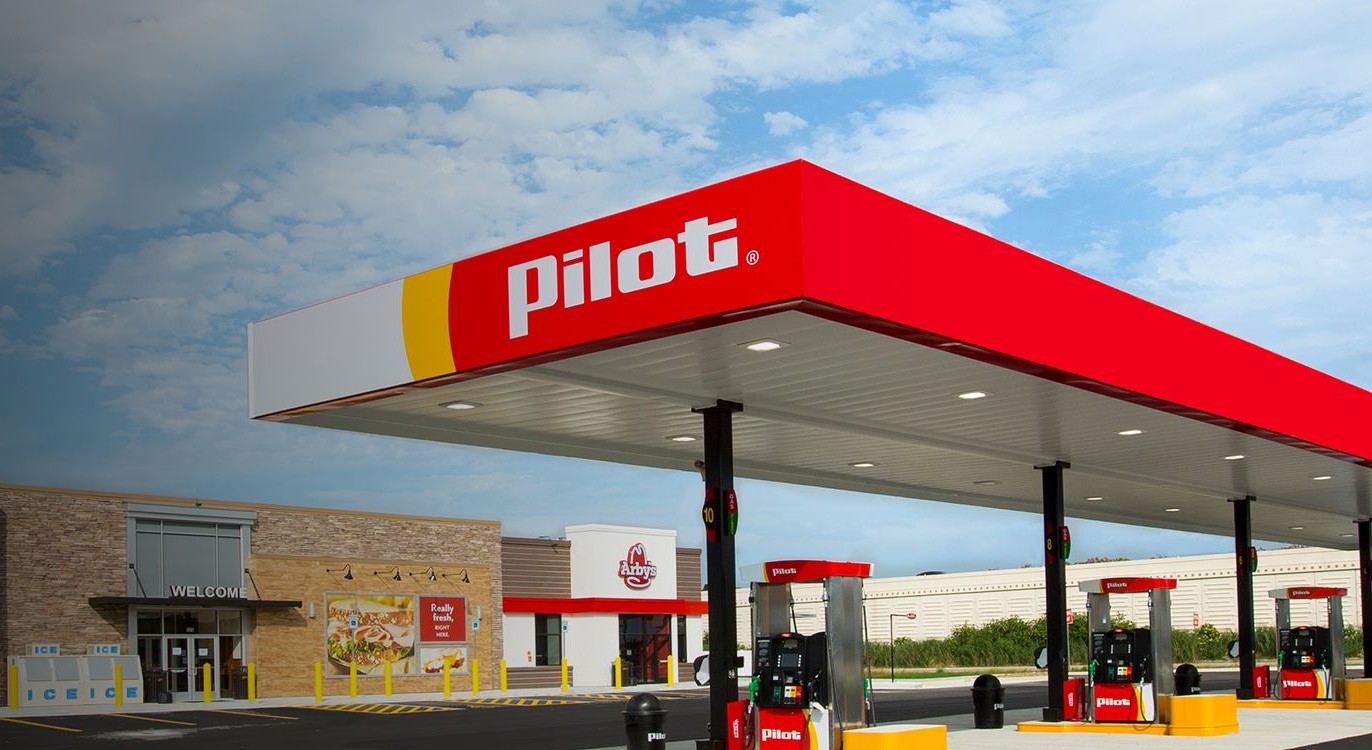 You know those Pilot Flying J truck stops you sometimes visit to fill up as you’re traveling along our nation’s interstate highways? They’re not just big gas stations with convenience stores. Pilot Flying J has its own fleet of trucks. One of the divisions of Flying J targets the exploration and production (E&P) sector, i.e. drillers. Flying J has just announced it has bought out Equipment Transport, LLC, which hauls shale wastewater in the Marcellus, Utica and Permian Basin. Now your favorite truck stop is also your favorite wastewater hauler!
 Pennsylvania has had a seriously bad problem with acid mine drainage for years–water that washes through old/abandoned coal mines that comes back out heavily laden with minerals that make it acidic and a danger to the environment. More recently, with the shale revolution, PA has also found itself with an abundance of shale wastewater–most of it “produced” water that comes from deep in the earth (not surface drinking water), also laden with all sorts of minerals. Both acid mine water and shale wastewater are not easy to treat. Some sharp kids and their professors at the University of Pittsburgh got the bright idea to combine the two together, and treat them together, at the same time. Why? Because they have opposite amounts of barium and sulfates. Combine the two and you can more easily remove the nasty stuff via “precipitation.” How cool is that?
 Buckeye Brine, a relatively young Ohio-based company, owns and operates three shale wastewater injection wells in Coshocton County. Buckeye has operated their three Class II (as they are known) injection wells “flawlessly” for the past five years. No earthquakes. No spills. No leaks back to the surface. Nothing. Buckeye now wants to re-designate two of the three wells as Class I wells, which would allow them to accept non-shale wastewater–from industrial equipment operators, soap manufacturers, food processors, power plants, and municipal wastewater treatment plants. But antis are kicking up a fuss, claiming the change will pollute everything and everyone from here to Timbuktu. Fortunately state regulators are not swayed by such histrionics. The Ohio EPA is accepting public comments on the conversion until Nov. 26. There’s still time to write in and support the project!
 Aqua America, the nation’s second largest water/wastewater utility company headquartered near Philadelphia, announced it is buying Peoples Gas, the nation’s fifth largest natural gas utility company headquartered in Pittsburgh, for $4.275 billion. This story interests us because the buyer, Aqua America, provides services to Marcellus/Utica shale drillers, and because Peoples Gas is a buyer of Marcellus/Utica gas. The combined company will both serve the shale industry as part of the supply chain, and buy the output of the shale industry as a customer. How cool is that? What made Aqua interested in Peoples? It has to do with old pipes in the ground. And similar natures.
 American Water Management Services (AWMS) owns a wastewater injection well in Trumbull County that supposedly caused a low-level earthquake (that nobody could feel) in 2014. Two wells located at the site, both operated by AWMS, were “temporarily” shut down by the Ohio Dept. of Natural Resources following the quake (see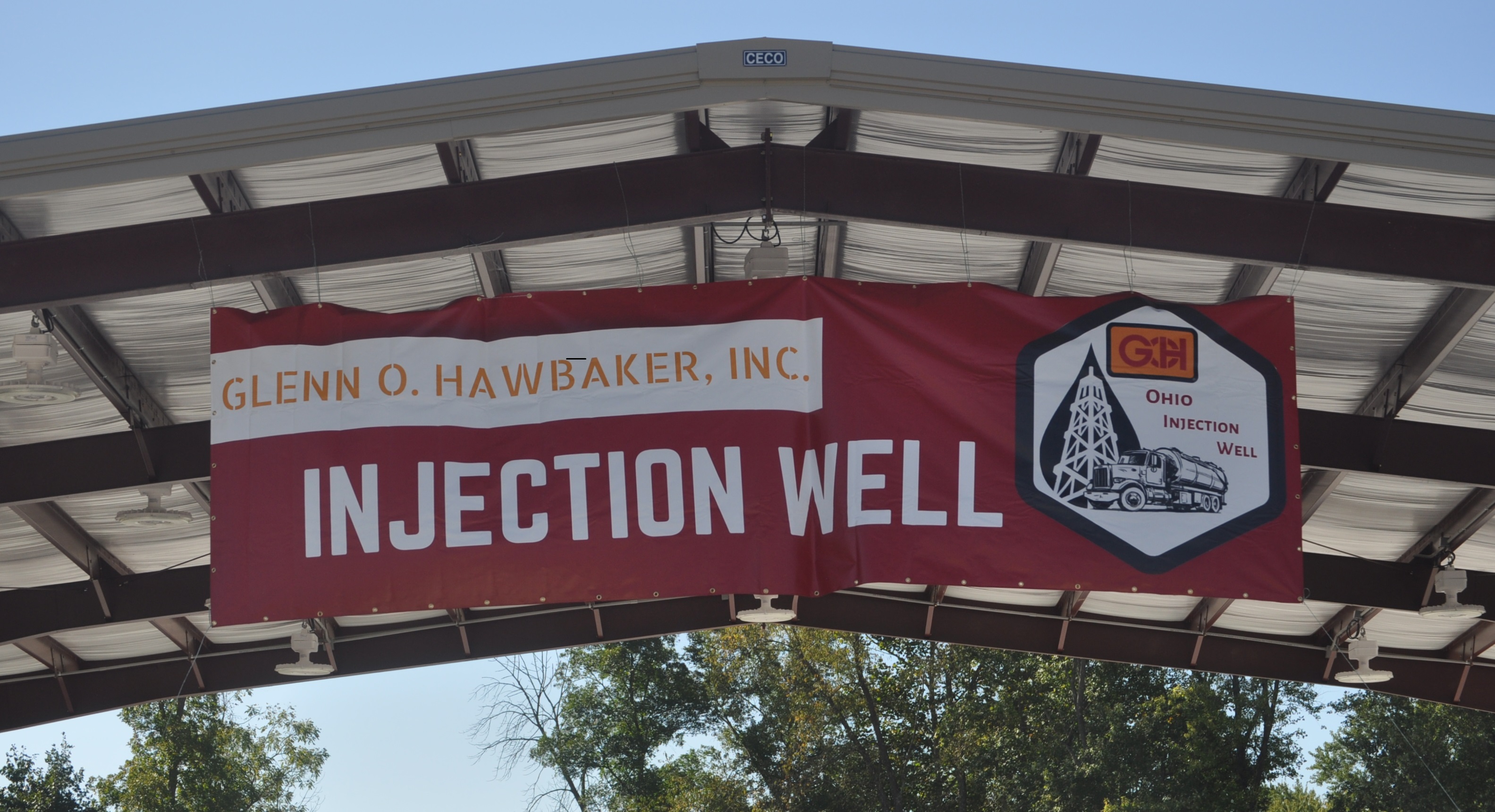
 In May the U.S. Environmental Protection Agency (EPA) launched a study looking into the possibility of treating oil and gas wastewater and (gasp) releasing the cleaned-up wastewater into lakes and rivers, instead of injecting it back down holes in the ground. Earlier this week the EPA held a public meeting to discuss preliminary findings and to elicit more input from the industry and from Big Green on their study, which is called “
 Reliable One Resources, a wastewater treatment company headquartered in Texas, has just purchased an existing/functioning wastewater injection well in Athens, OH. Reliable does not say in their announcement who sold them the well. They do say they intend to drill a second well next to the first one (which is the big news for us), and that they (Reliable) is in the process of buying “multiple trucking companies” that will hauling wastewater from Marcellus/Utica drillers to their facility.