
DTE Names Sites, Costs for 2 Gas Plants, ~300 MMcf/d of M-U Demand
 Last month we told you DTE Energy was about to ask Michigan regulators for permission to build two new natural gas-fired power plants totaling 2,100 megawatts (MW) (see DTE Asks Michigan for 2 Gas Plants — 2,100 MW of New M-U Demand). On Thursday, Sept. 24, the formal ask landed. DTE Electric filed its 20-year Integrated Resource Plan (IRP) with the Michigan Public Service Commission (MPSC), and this time the plants come with addresses, price tags, and dates. A 1,400 MW combined-cycle plant in Handy Township (Livingston County) would cost $3.9 billion and come online by the end of 2031. A 700 MW plant in Milan Township (Monroe County) would cost $2.5 billion and come online by the end of 2032. Together, they replace the 3,066 MW coal-fired Monroe Power Plant, which will shut down in two stages in 2028 and 2032. Michigan produces very little gas of its own, and both sites sit close to pipelines that carry Marcellus/Utica gas into the state. Read More “DTE Names Sites, Costs for 2 Gas Plants, ~300 MMcf/d of M-U Demand”
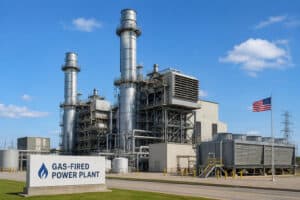 When we covered DTE Energy’s second quarter results in July, we grumbled that the company was throwing $10 billion at unreliable renewables and only $2.5 billion at a single new gas plant to replace a retiring coal fleet (see
 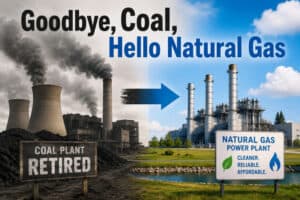 DTE Energy reported second quarter 2026 results yesterday, and before we dig in, one piece of housekeeping. DTE used to be an M-U player in a big way — it owned gathering systems in the Marcellus and Utica plus half of the NEXUS pipeline. That business walked out the door on July 1, 2021, when DTE spun it off as DT Midstream (see
 In August 2018 DTE Energy broke ground on a new state-of-the-art natural gas-fired power plant in St. Clair County, Michigan (see
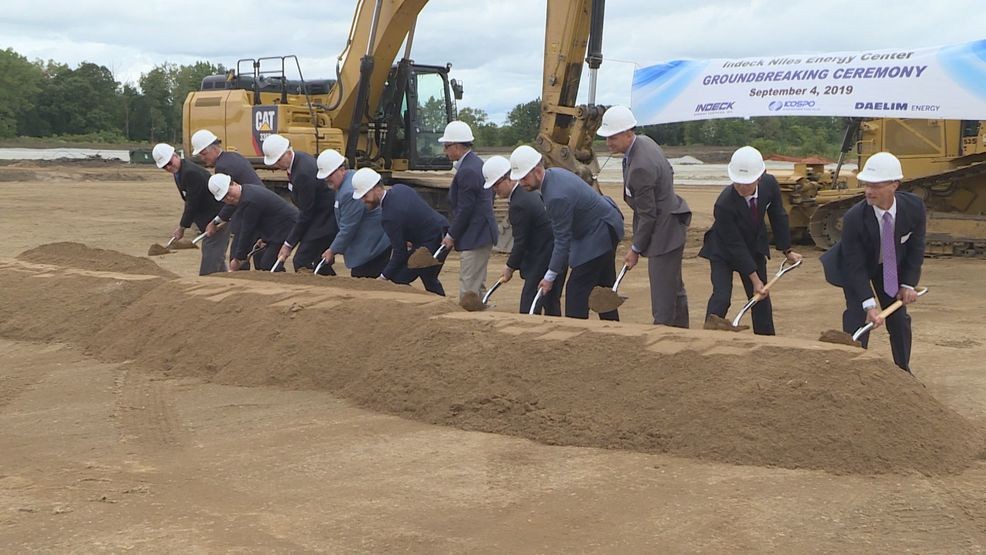
  Nearly 20 years ago Indeck Energy floated a plan to build an electric generating plant (powered by natural gas) in Niles, Michigan, not far from Chicago. In 2016 those plans got serious (see
  Consumers Energy, Michigan’s second-largest power provider, will quit burning coal to produce electricity by 2025 and instead will purchase four existing natural gas-fired power plants for $1.3 billion. At least if the company can get approval from state regulators. The company says buying existing gas-fired plants (instead of building new plants) will help it transition to carbonless energy over the next 20 years. Buying instead of building means the company won’t have “stranded assets” when (we say if) they eventually foreswear using fossil fuels to generate electricity.
 In late 2018 the final two segments of the already-operational Rover Pipeline went online, making the project 100% complete (see
 You may recall MDN covering the story of the compressor station in Michigan that caught fire and exploded in January (see
  One of the arguments often heard from those who oppose natural gas pipelines is that “nobody” benefits from the pipeline except the sleazy Big Corporation that builds and profits from it. A single pipeline running through Ohio and Michigan puts that lie to rest. Rover Pipeline, built and operated by Energy Transfer, paid out some $73 million in local property taxes in 2018 when the pipeline first began operation. For 2019, with the full pipeline operating at 100% capacity for the entire year, Rover says they will pay out ~$180 million in property taxes! Taxes that fund schools, roads, first responders and other worthy causes.
 In October 2016, Indeck Energy announced a plan to build a $1 billion electric generating plant (powered by natural gas) in Niles, Michigan, not far from Chicago (see
 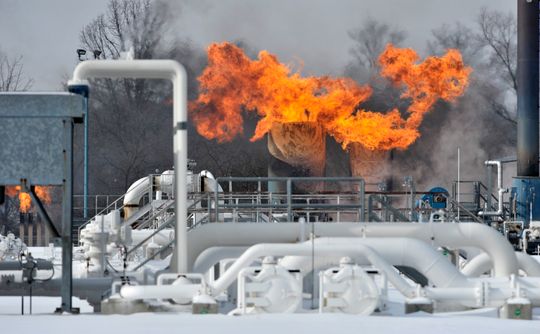 Last week a pipeline at a single Michigan compressor station caught fire and exploded (see