
MDN’s Energy Stories of Interest: Tue, Jan 6, 2026 [FREE ACCESS]
 OTHER U.S. REGIONS: Trump administration sues Calif. cities over natural gas bans; NATIONAL: U.S. natural gas extends losses on milder weather outlook; Foreign billionaires are investing in American energy lawsuits; Why the Boulder climate case is so dangerous and SCOTUS must step in; Top 10 energy prognostications for 2026 – Year of the Horse; INTERNATIONAL: Oil settles higher as US pressures Venezuela; Crude oil prices fell in 2025 amid oversupply; 2026 oil market will not be about Venezuela; Five energy market trends to track in 2026, the year of the glut; Trump to help oil companies ‘take back’ some of the billions Venezuela owes them. Read More “MDN’s Energy Stories of Interest: Tue, Jan 6, 2026 [FREE ACCESS]”
 The combined number of new permits issued to drill shale wells across the Marcellus/Utica region was 26 for the week of Dec. 22 – 28, more than double the 12 issued two weeks ago. Pennsylvania issued 15 new permits, Ohio issued 6, and West Virginia issued 5. Among the companies receiving new permits were Antero, EOG, EQT, Hilcorp, INR, and Range Resources.


 The Pennsylvania Department of Environmental Protection is seeking public comment on water quality permits for Eastern Gas Transmission’s LN-10 pipeline replacement project in Armstrong and Westmoreland counties. Eastern Gas Transmission and Storage (EGTS) is a subsidiary of Berkshire Hathaway Energy. Construction consists of removing and replacing approximately 13.1 miles of 20-inch-diameter natural gas transmission pipeline. Covering Chapter 102 and 105 regulations, the applications are available for review via the Regional Permit Coordination Office. While no public hearings are currently scheduled, they may be requested. Comments are due by January 26.
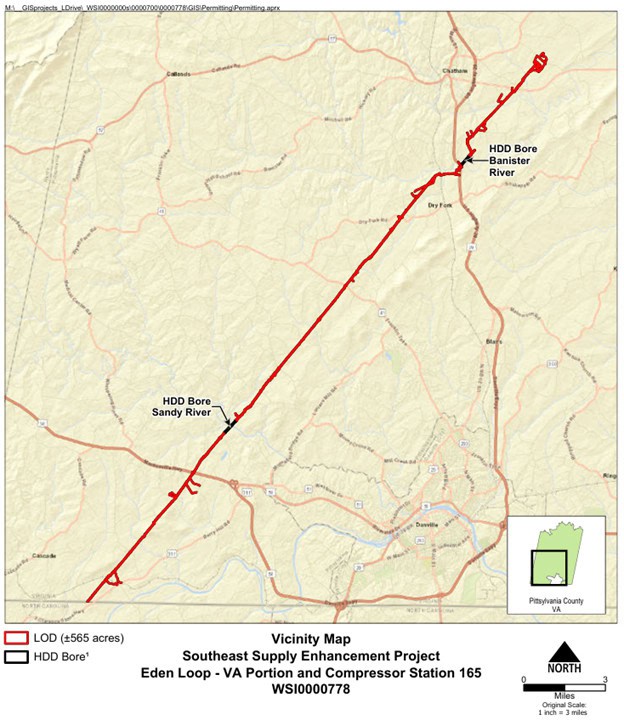
  Mixed signals are coming from Virginia’s regulatory agencies regarding a gas-fired project in Chesterfield. In June 2023, Dominion Energy announced plans to build four small “peaker” electric generating plants in Chesterfield County near Richmond (see
  In 2025, the United States became the first nation to exceed 100 million metric tons (mmt) of liquefied natural gas (LNG) exports annually, reaching a record 111 mmt. This 24% year-on-year growth, fueled by high terminal utilization and the rapid ramp-up of facilities like Venture Global’s Plaquemines plant, solidified the U.S. as the world’s leading exporter over Qatar. Europe remains the primary market as it shifts away from Russian energy, while shipments to Turkey and Egypt also stayed strong. Experts anticipate further growth in 2026 as new projects, including the Golden Pass LNG venture, begin production.
  It’s kind of interesting how things sometimes work out. Mark Carney became the 24th Prime Minister of Canada on March 14, 2025, following the resignation of Justin “man-child” Trudeau in January 2025. Before entering federal politics, Carney served as the UN Special Envoy on Climate Action and Finance. He worked (hard) to try to defund fossil energy companies. But what’s this? The Canadian province of Nova Scotia, which banned fracking in 2014, has reversed course and now wants to open up the province for fracking. Not a peep from Carney against Nova Scotia’s plan to allow fracking. Apparently, Carney has found that actually governing a country is a whole lot different from prancing around at the UN bashing fossil energy.
  The venerable Baker Hughes rig count turned in its weekly report early last week, on Dec. 23 (Tuesday instead of the usual Friday) due to the holiday. The Marcellus/Utica rig count gained 1 rig three weeks ago in the Ohio Utica, bringing the total to 39 rigs. For the past three reports in a row, the M-U has maintained that count—the most rigs it has operated in more than a year. Pennsylvania has held at 18 active rigs for six consecutive weeks. Ohio has operated 14 rigs for three straight weeks (its highest in over a year). And West Virginia maintained 7 rigs, which it has operated since May 30. There were 24 rigs targeting the Marcellus and 15 targeting the Utica. The national count picked up 3 rigs, bringing the total to 545 active rigs.
 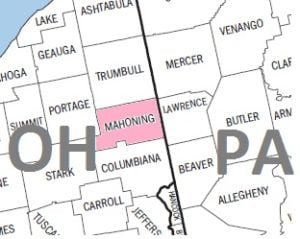 The EOG Resources-owned Wehr Spring Valley Farm well in Ellsworth may signal a resurgence in the oil and gas industry in Mahoning County, Ohio. Producing 40,489 barrels of oil in its first quarter, the well significantly outperformed neighboring sites, validating predictions that the Utica play would yield oil as it moves north. Regional leaders and attorneys attribute this success to advanced drilling technologies, specifically improved surfactant chemistry and closer fracturing stages. This production spike in the Wehr well has revitalized local interest in mineral rights and spurred infrastructure investments, such as Vallourec’s $48 million pipe mill expansion, highlighting the region’s growing economic potential.
  A big announcement from the Trump Department of the Interior (DOI). Yesterday, the DOI announced an immediate pause on all large-scale offshore wind project leases currently under construction in the United States. There are five such projects along the East Coast, including one off the coast of New York State. The DOI said the decision stems from “national security risks” identified by the Department of War in classified reports, specifically concerning radar interference known as “clutter” caused by massive turbine blades. Trump previously negotiated a deal with NY Governor Kathy Hochul to allow two pipeline projects—the Northeast Supply Enhancement (NESE) project and the Constitution Pipeline—in return for building the offshore Empire Wind 1 project (see