
Banpu Opens Field Office in NEPA, Looks to Invest $300M in 2019
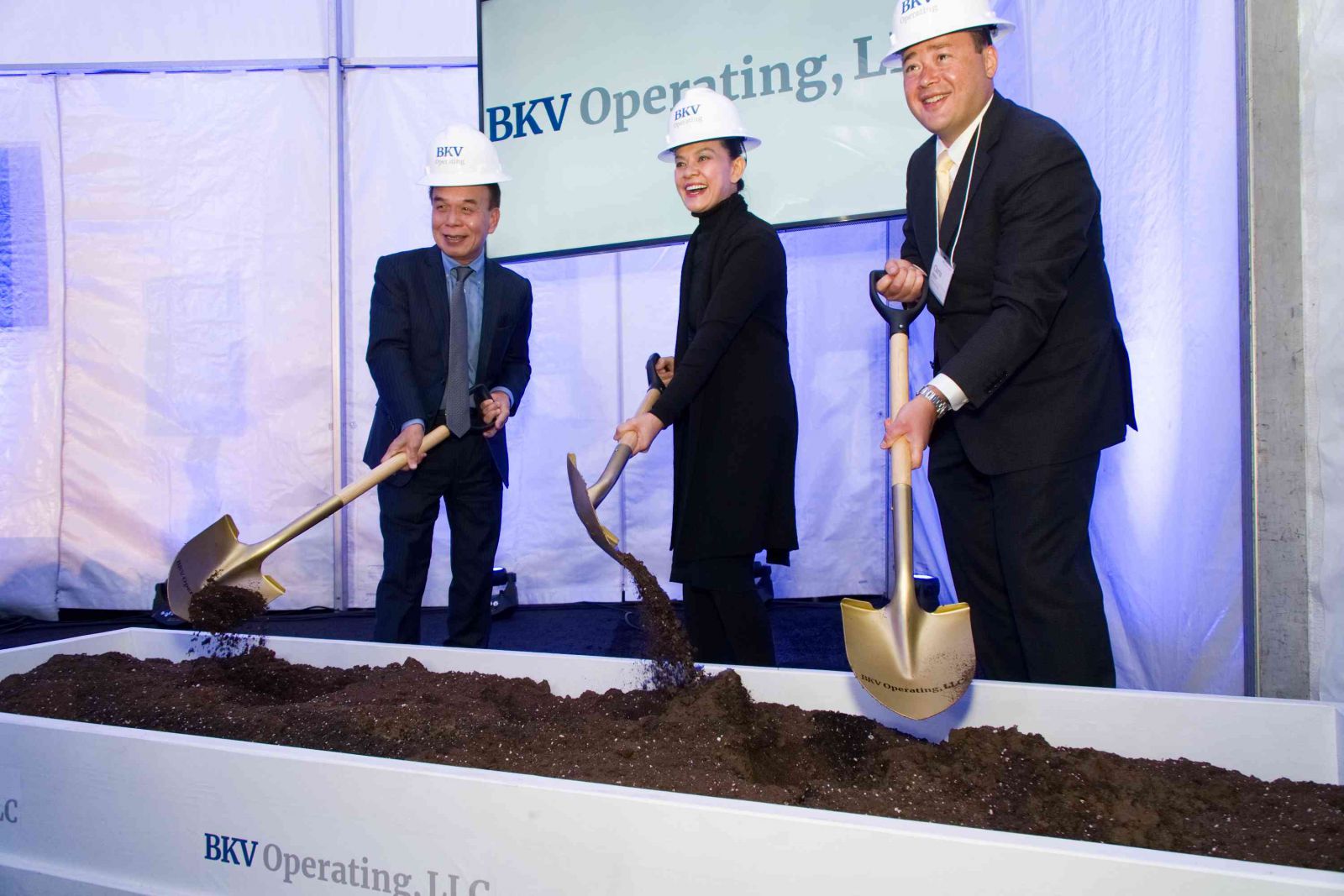
Banpu Pcl, Thailand’s largest coal producer, invested over $500 million in 2016-2017 to buy existing Marcellus wells and acreage in northeast Pennsylvania (see our Banpu stories here). The last such purchase was in December 2017 (see Banpu/Kalnin Buys 5,289 Ac & 35 Wells in NEPA Marcellus for $105M). Banpu is back–in a big way.
Read More “Banpu Opens Field Office in NEPA, Looks to Invest $300M in 2019”
 Hi-Crush Partners, a frack sand vendor, announced yesterday they’ve cut a long-term deal to supply Northern White frack sand, which comes from Wisconsin, to CNX Resources for fracking Marcellus and Utica wells. So why is that a big deal?
 There’s just no getting around the obvious–that the shale industry is once again heading into something of a dip. We’re not just talking about shale oil drillers scaling back drilling new wells in places like Texas and North Dakota. We’re talking about big gas drillers in the Marcellus/Utica who are signaling that 2019 will see less spending and less drilling, although production won’t decline.
 Coincidentally on the topic of royalty lawsuits (see today’s companion story,
  Westmoreland Gas, headquartered in Bridgeport, WV, was founded in August 2018 by two industry veterans, one with close ties to Mountain V Oil & Gas. According to a press release issued two days ago, Westmoreland closed on oil and gas assets in WV on Dec. 31, essentially launching the company.
 We are positively bursting with news about EQT today. Yesterday EQT’s existing management issued plans for 2019 and the Rice brothers responded–by launching a proxy war to replace board members and top management. In addition, we unearthed news that the Rice boys held their meeting with EQT’s board on Jan. 15.

 Another situation is brewing with Gulfport Energy not unlike the situation at EQT. One of (we’re pretty sure THE) largest shareholders in Gulfport, investment firm Firefly Value Partners, is not happy with either the board of directors or current management, saying very publicly (via a letter, below) that the current board lacks “necessary skills and experience” to turn the company’s poorly performing stock around. Ba boom!
 Shell has calmed the troubled Ambridge waters–that is, the Ambridge Water Authority waters. Shell hit a snag with plans to build its Falcon Ethane Pipeline when the Ambridge Water Authority claimed construction of the pipeline under several streams feeding the Ambridge reservoir would endanger the drinking water for 30,000 people (see
  The political “leaders” in Franklin Park (Allegheny County, near Pittsburgh) have decided to reject a proposal to drill a shale well under (not on) the 80-acre Linbrook Park. With a signing bonus of $283,500 plus 18% royalties, the Franklin Park Borough would have seen revenue of *at least* $1 million. Talk about stupid.
 Did the Pennsylvania Supreme Court err in its judgment declaring so-called “stripper wells” can be taxed under the 2012 Act 13 law, slapped with an impact fee assessment, if those wells produce more than 90 thousand cubic feet per day (Mcf/d) of gas in a single month (see
  On Monday we told you about a letter written by investment firm D.E. Shaw, one of EQT’s largest shareholders (owns 4.5% of outstanding shares), to the EQT board (see
 Three years ago lawsuits filed by some 200 West Virginia residents against Antero Resources were combined into a class action lawsuit (see