
25 States Fight Back Against Biden Proposed Ban on LNG-by-Rail
 In June 2020, during the Trump administration, the U.S. Department of Transportation’s (DOT) Pipeline and Hazardous Materials Safety Administration (PHMSA), in coordination with the Federal Railroad Administration (FRA), published final rules to allow LNG to be safely transported by special rail cars (see PHMSA and Fed Railroad Admin Publish Final LNG by Rail Regs). Irrational fossil fuel haters got ahold of the cognitively challenged Joe Biden and Biden put a “freeze” on LNG-by-rail during his first two days in office (see What Biden’s First Two Days on the Job Mean for the O&G Industry). Now the Bidenistas at the DOT are moving to permanently (under Biden anyway) have the PHMSA block LNG-by-rail. Half of the states in the union are fighting back, telling the Bidenistas they cannot block LNG-by-rail.
Read More “25 States Fight Back Against Biden Proposed Ban on LNG-by-Rail”
 A former wind lobbyist and friend of Chuck Schumer, Richard “Dick” Glick, took over as chairman of the Federal Energy Regulatory Commission (FERC) under Joe Biden. Glick is a radical leftist, a swamp-dwelling D.C. Democrat. Under his oversight, the five-member FERC board (three Democrats, two Republicans) voted 3-2 in February to begin using global warming factors when reviewing new natural gas pipeline projects (see
 The West Virginia State Legislature passed House Bill (HB) 2581 on the last day of the annual WV legislative session in April 2021. HB 2581 required the State Tax Commissioner to develop a revised methodology to value oil and natural gas properties for the purposes of assessing property taxes. The State Tax Department submitted an emergency rule last summer that was, quite frankly, a mess. The rule created a complex system that is currently mired in controversy with both drillers and landowners confused about how much of a tax bill they will owe this year. Last week the WV House of Delegates worked on and pushed along a compromise bill to try and fix the mess created last year (see
 In May 2017, Murrysville Township (Westmoreland County) struck a zoning compromise with local drillers on the distance of setbacks (see
 Will this finally be the year that West Virginia has a new forced pooling bill passed into law? Quite possibly, given the supersonic speed with which Senate Bill (SB) 694 was introduced and, without any discussion, passed through the Senate Finance Committee (at the last possible moment), and sent on to the full Senate for a vote. Of course, the bill still has to go to the WV House. SB 694 is complicated, but this time the bill appears to have widespread support, not only from drillers but from royalty owners too.
 A second bill related to mineral and landowner rights holders rocketed through the West Virginia Senate, passing the full Senate by 29-5 vote on Wednesday. Senate Bill (SB) 650 tweaks a previously passed bill signed into law in 2018 concerning co-tenancy (see
 The Bidenistas fight dirty. Last week MDN told you about a federal court ruling against Biden’s plan to use the so-called global “social cost of carbon dioxide” emissions as a new filter for all sorts of government agencies when considering whether or not to approve projects and activities, like drilling for oil and gas on federally-owned land (see
 A former wind lobbyist and friend of Chuck Schumer, Richard “Dick” Glick, took over as chairman of the Federal Energy Regulatory Commission (FERC) under Joe “Dementia” Biden. Glick is a radical leftist, a swamp-dwelling D.C. Democrat. Under his oversight, the five-member FERC board (three Democrats, two Republicans) voted 3-2 last week to begin using global warming factors when reviewing new natural gas pipeline projects (see
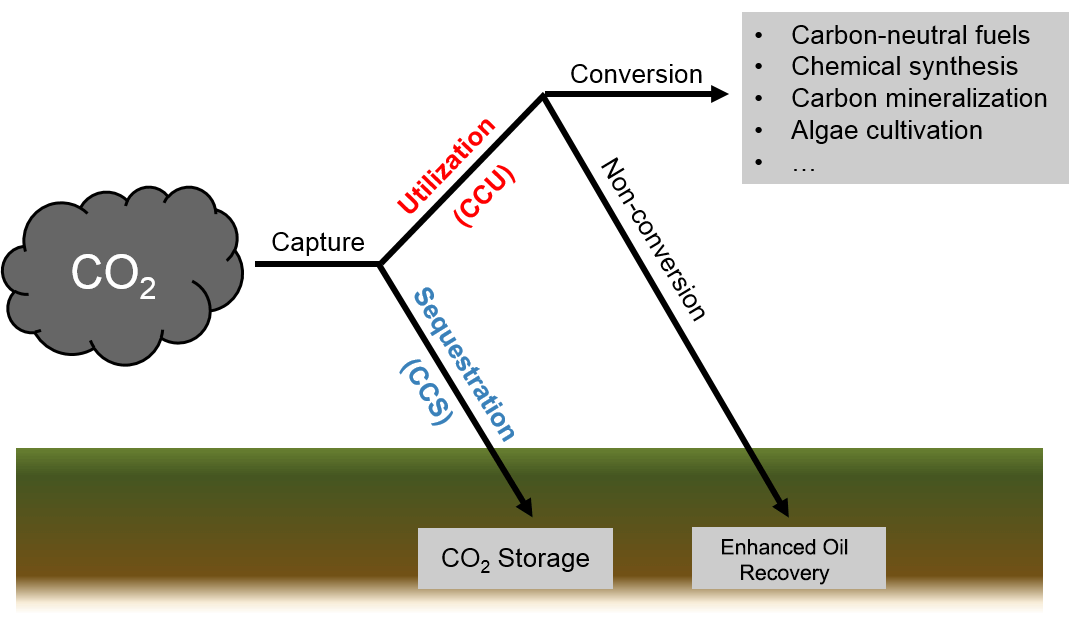

 The West Virginia Public Energy Authority is a seven-member board that aims to make the best use of WV’s abundant natural energy resources. State code gives the board power to buy, lease, and issue bonds to build electric power plants and natgas transmission projects. Gov. Jim Justice reactivated the board last summer after it had been dormant for upwards of a decade. The first meeting of the new board is next Wednesday.
 Two days ago the Pennsylvania Dept. of Environmental Protection (DEP) gave a briefing and delivered a report to the PA Environmental Quality Board (EQB). Kurt Klapkowski, Director of the Bureau of Oil and Gas Planning and Program Management, said the state’s conventional oil and gas drilling companies only paid $46,100 of the $10.6 million it cost for the DEP to regulate that industry in FY 2020-21. That’s a pretty serious deficit. What is DEP suggesting as a fix?
 In May 2017, Murrysville Township (Westmoreland County) struck a zoning compromise with local drillers on the distance of setbacks (see