When a driller sinks a hole in the ground looking for one hydrocarbon–like natural gas–other hydrocarbons also come out of the ground. Sometimes its oil. Sometimes condensate. Sometimes natural gas liquids (NGLs), including ethane, propane, butane, pentane, etc. In northeast and central Pennsylvania where the Marcellus Shale is prolific, most of what comes out of the ground is just methane–or natural gas. However, in the southwestern portion of PA, and in the northern panhandle of WV and on into eastern OH, it’s a different story. They are considered “wet gas” areas because (depending on the county) the wells are prolific NGL producers. Most NGLs, like propane, fetch much higher prices than plain old methane. Typically ethane is the NGL that mostly comes out of the ground, but for many drillers ethane can’t (yet) be sold, so it’s considered a “waste” product, mixed into the methane stream to get rid of it. But that’s changing. There are now pipelines to carry ethane to facilities in both Philadelphia and to a cracker plant in Canada. There’s even a pipeline for ethane (and other NGLs) that goes all the way to the Gulf Coast (ATEX, Appalachia to Texas). Some of the largest Marcellus/Utica drillers now have markets for their NGLs, so they are ramping up production and selling more NGLs. In fact, six of the eight largest M-U drillers increased their NGL production in the second quarter of 2017 compared to 2Q16. Which six increased, and which two decreased NGL production last quarter?…
Read More “M-U’s Biggest Drillers Increase NGL Production for Extra Money”

 Events related (or of interest) to the Marcellus and Utica Shale, primarily pro-drilling events.
 The “best of the rest” – stories that caught MDN’s eye that you may be interested in reading. In today’s lineup: Hurricane Harvey highlights over-reliance on Gulf; NY freezing out Marcellus natgas infrastructure; former Sec. DEP Quigley lands at Harrisburg U; DEP air emission report based on formulas, not samples; Illinois begins to frack; 10% of US fracking delayed due to Harvey; storm’s impact on natgas prices; US DOE wants to speed up approvals of small-scale LNG export plants; natgas to become world’s primary energy source by 2035; and more!
 Environmental radicalism has now fully metastasized at the New York Dept. of Environmental Conservation (DEC). The organization is nothing more than a political tool of the environmental far-left (and corrupt Gov. Cuomo), as evidenced in the DEC’s latest outrageous decision to deny federal water crossing permits to a 7.8 mile pipeline to feed an electric power generating plant in Orange County, NY–a plant currently under construction. The reason for the rejection? NOT because of any so-called harms to the environment due to crossing streams–the reason for the permits. No. But because, says the DEC, the Federal Energy Regulatory Commission (FERC), which evaluated the power plant project, didn’t take into consideration the plant’s potential contribution to mythical man-made global warming. In other words, the DEC just admitted they have denied a WATER permit based on other (political) criteria–not the criteria on which they were legally bound to decide. We predict the DEC will get crushed when this is all over and done. But the problem is, it will take years to litigate. Meanwhile, the Competitive Power Ventures (CPV) Valley Energy Center will complete its construction and go online in early 2018–powered by much-dirtier fuel oil instead of clean-burning natural gas. Congratulations to all of the antis, and the DEC, who oppose the power plant project. You’ll now have even MORE so-called global warming (and air pollution in the region) because of your lunacy…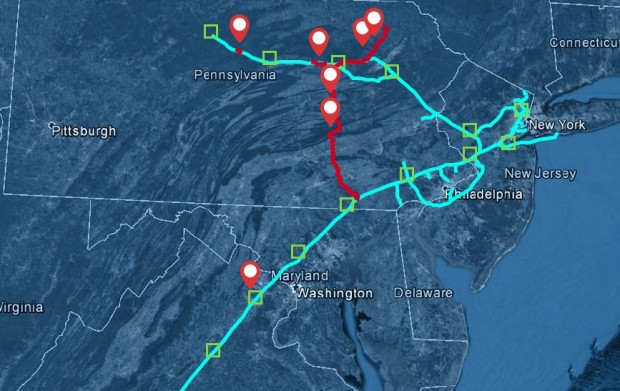
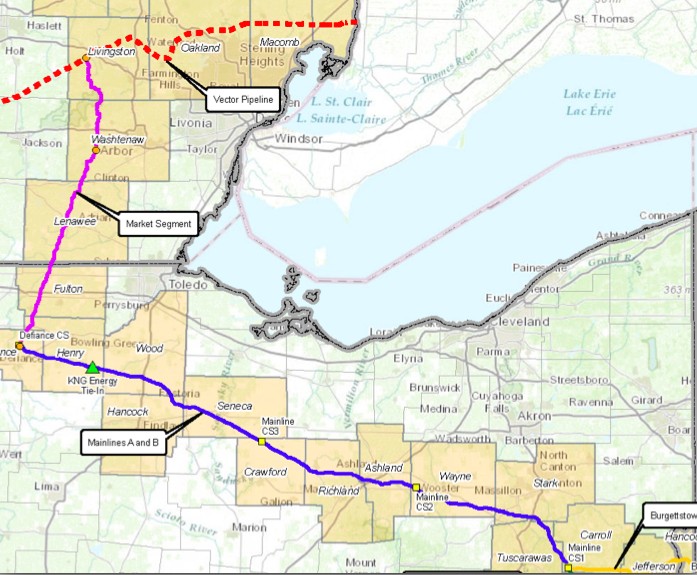
 When a driller sinks a hole in the ground looking for one hydrocarbon–like natural gas–other hydrocarbons also come out of the ground. Sometimes its oil. Sometimes condensate. Sometimes natural gas liquids (NGLs), including ethane, propane, butane, pentane, etc. In northeast and central Pennsylvania where the Marcellus Shale is prolific, most of what comes out of the ground is just methane–or natural gas. However, in the southwestern portion of PA, and in the northern panhandle of WV and on into eastern OH, it’s a different story. They are considered “wet gas” areas because (depending on the county) the wells are prolific NGL producers. Most NGLs, like propane, fetch much higher prices than plain old methane. Typically ethane is the NGL that mostly comes out of the ground, but for many drillers ethane can’t (yet) be sold, so it’s considered a “waste” product, mixed into the methane stream to get rid of it. But that’s changing. There are now pipelines to carry ethane to facilities in both Philadelphia and to a cracker plant in Canada. There’s even a pipeline for ethane (and other NGLs) that goes all the way to the Gulf Coast (ATEX, Appalachia to Texas). Some of the largest Marcellus/Utica drillers now have markets for their NGLs, so they are ramping up production and selling more NGLs. In fact, six of the eight largest M-U drillers increased their NGL production in the second quarter of 2017 compared to 2Q16. Which six increased, and which two decreased NGL production last quarter?…
 We’re always on the lookout for news about a final investment decision by PTT Global Chemical to build a $5 billion ethane cracker in Belmont County, OH. Recently PTT spent $13.8 million to buy 168 acres at the proposed cracker plant site (see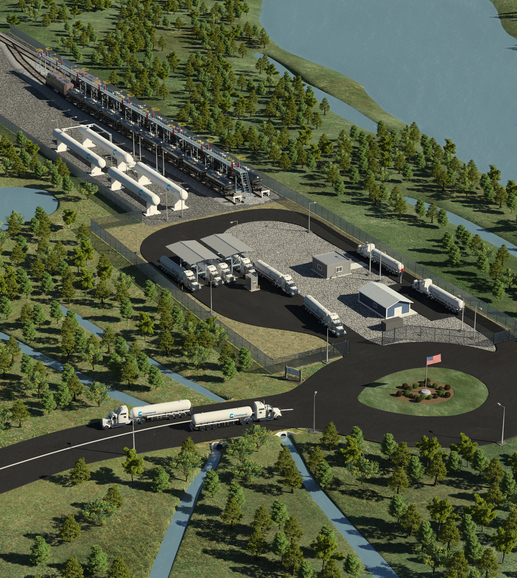
 It looks like Pennsylvania’s conventional (non-shale) oil and gas drillers will get a reprieve from onerous new drilling rules–at least until next year. PA Gov. Tom Wolf has been obstinate in demanding onerous new drilling rules for the conventional, as well as unconventional (shale) drilling industry since he took office. Reworked drilling rules for both conventional and shale drillers were done and ready to go under previous Gov. Tom Corbett. Then Corbett lost to Wolf, and Wolf demanded changes to the common sense rules everyone had already agreed to (see
  Earlier this week MDN reported that Shell had settled an action brought by Big Green groups against an air permit issued for their now under construction ethane cracker plant in Beaver County, PA (see
  Yesterday MDN brought you the news that Range Resources and the Pennsylvania Dept. of Environmental Protection (DEP) have officially “settled” something we thought was already settled–alleged methane migration from a well Range drilled in 2011 (see
  An effort by Fayette County, WV to ban injection wells in the county has gone down to a final defeat. In January 2016, three liberal Democrat county commissioners from Fayette County, with the backing and help of the radical WV Mountain Party, voted to ban injection wells in the county (see
  Last week MDN brought you the news that THE Delaware Riverkeeper had lost a federal lawsuit against Kinder Morgan’s Orion Project to expand the Tennessee Gas Pipeline in northeast Pennsylvania (see