
Economic Impact | Energy Services | Energy Transfer Partners | Industrywide Issues | Jobs | Pennsylvania | Pipelines | Statewide PA | Sunoco Logistics
The Positive Impacts of Mariner East Pipeline Across PA
 Seems like all we see in mainstream media are articles bashing Energy Transfer’s Mariner East (ME) NGL pipeline projects. Most of the negative press comes from southeastern PA where the pipeline has hit snags in building through Philadelphia suburbs. Imagine our surprise in seeing a guest editorial in a southwestern PA newspaper supporting the ME project, a column that details just how this massive project has benefitted the Keystone State in numerous ways–all across the state.
Read More “The Positive Impacts of Mariner East Pipeline Across PA”
 The $4.2 billion, 713-mile Rover Pipeline system that flows Marcellus/Utica natural gas from western PA and eastern OH all the way to Canada, placed the final two pieces of the system online in November 2018 (see
  Two weeks ago the Pennsylvania Dept. of Environmental Protection (DEP) announced the largest fine for a single company/project in its history. DEP slapped Energy Transfer (ET) with a $30.6 million fine for the construction and subsequent explosion of the company’s Revolution gathering pipeline in western PA (see
 MDN previously told you about unconfirmed rumors that the FBI is investigating the PA Gov. Tom Wolf administration over how permits came to be issued for the Mariner East 2 pipeline project (see
 The Pennsylvania Dept. of Environmental Protection’s (DEP) recent settlement with Energy Transfer (ET) concerning the Revolution Pipeline explosion in southwestern PA also has significant impact on southeastern PA. How? The signed consent order in which ET pays the state $30.6 million lifts a moratorium on granting new permits to ET for *any* of its pipeline projects in PA for the past one year–including permits to complete the Mariner East (ME) projects. With the consent order comes a lifting of that permit moratorium, meaning the final bits of ME can now be completed.
 In Nov. 2017 the Ohio Attorney General’s office under then-AG Mike Dewine (RINO swamp dweller, now governor) sued Energy Transfer at the prompting of the Ohio EPA claiming the company’s Rover Pipeline project was guilty of “polluting state waters while constructing a natural gas pipeline across Ohio” (see
  The husband and wife team of Mark and Melinda Clatterbuck are at it again–getting themselves arrested for illegal trespass and disorderly conduct at a pipeline site. They previously got themselves arrested in Lancaster County, PA when protesting the Williams Atlantic Sunrise pipeline project (see
  For some time we’ve been concerned about competition for Marcellus/Utica gas coming from western Canada being piped to Canada’s East Coast (see
 One of the selling points to make big interstate pipeline projects more palatable to the general public, at least in Ohio, has been the fact they pay annual property taxes. We can tell you from personal experience that a small pipeline in the Town of Windsor (NY, yes! NY) has meant lower property tax bills for MDN editor Jim Willis. Two very large pipeline projects in Ohio, Rover and NEXUS, are asking Stark County to reduce their assessments so they can pay less in taxes–up to 50% less.
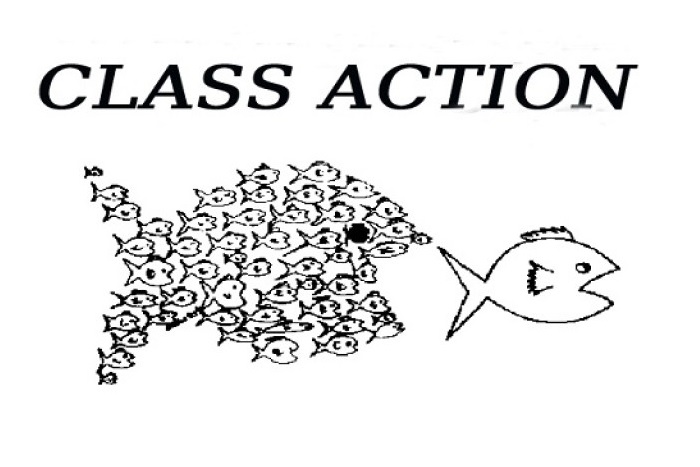 Last week MDN told you about a law firm fishing for Energy Transfer shareholders to join its class action lawsuit against the company over rumors of corruption in obtaining permits to build the Mariner East 2 pipeline project (see
  Speaking of the Mariner East (ME) pipelines and the NGLs (primarily ethane, but also propane and butane) they flow, why isn’t the organized business community (i.e. Greater Philadelphia Chamber of Commerce) doing more to stick up for the ME pipeline projects? MDN friend Garland Thompson, a gifted reporter/writer who covers energy and technology issues for US Black Engineer & Information Technology magazine, recently penned an open letter to the Philly Chamber challenging them to get off their collective butts and defend ME and the jobs it will create in the greater Philly region.