
Economic Impact | Industrywide Issues | Jobs | Muskingum County | Ohio | Statewide OH | Supply Chain
Ohio’s Non-Drilling Counties Look to Profit from Utica Shale Too
 Drilling is great for local counties when it arrives. Especially for the “supply chain” in those counties–companies that sell goods and services to drilling companies. Everything from retail to convenience stores to restaurants to hotels to trucking companies and more. But what about businesses in nearby counties without any drilling activity? Is there any way they can share in the bounty too? There sure is!
Read More “Ohio’s Non-Drilling Counties Look to Profit from Utica Shale Too”
 Natural gas end-users, which include American households, businesses, manufacturers, and electric power generators, have realized $1.1 trillion in savings since 2008 as a result of increased natural gas production in the Marcellus/Utica region, according to a new report released yesterday. You read that right! Folks across the country have benefited by using M-U gas to the tune of $1.1 trillion in savings. Astonishing! The new report (full copy below) says the total savings works out to be an average of $4,000 per household. Thank God for fracking and horizontal drilling in the Marcellus/Utica.
 Did you know that building just two new compressor stations in Pennsylvania will bring the state an extra $100 million in economic activity and support 680 direct, indirect and induced jobs? We sure didn’t! Last week Williams filed a newly published study with the Federal Energy Regulatory Commission on the economic impact of their proposed Leidy South Expansion Project (full study embedded below). The study makes an irrefutable case for building the new compressor stations in Luzerne and Schuylkill counties.
 In April, Pennsylvania State Rep. Mike Turzai, Speaker of the House, and a group of conservative Republicans, announced a plan for the future of PA (see
 There is no way to track exactly how much royalty revenue is received by Pennsylvania landowners, because royalty income is not reported separately on the Pennsylvania income tax return. Royalty income is combined with rental, patent and copyright income on line 6 of the PA-40 state income tax return. However, the crack researchers at the Pennsylvania Independent Fiscal Office, a state government agency created in 2010, has a way of estimating how much revenue has been generated by oil and gas royalties. The IFO just released a report (full copy below) that shows they estimate royalties in 2018 hit their highest level since they began tracking oil & gas royalty revenue in 2010.
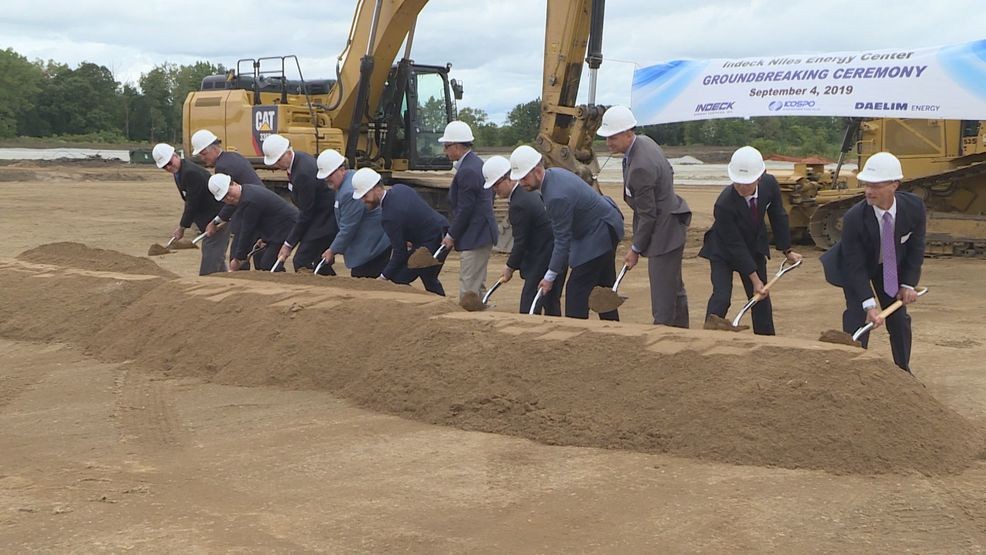
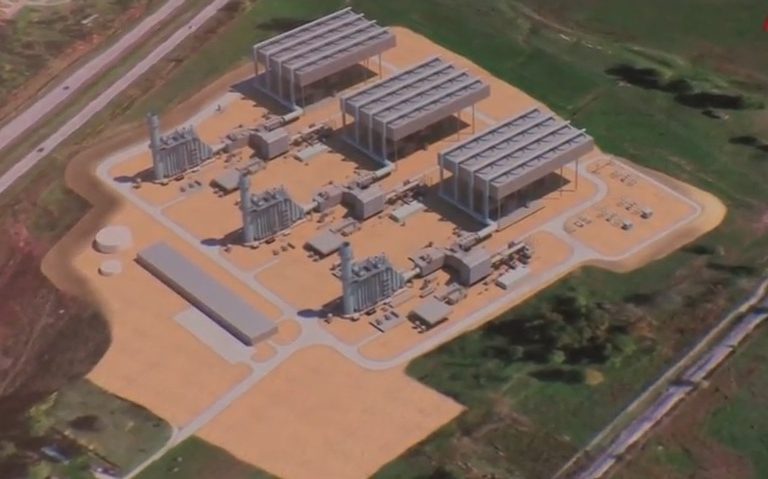


 The boneheaded new law passed by the Ohio legislature known as House Bill (HB) 6, meant to save a couple of failing nuclear plants along with a few coal-fired electric plants, has just claimed its first casualty. And it’s major. Clean Energy Future Inc. which has already built two natural gas-fired power plants in Lordstown (Trumbull County, OH) announced it is canceling a project to build a third Lordstown power plant–costing the state $1.1 billion of investment. What a disaster.
 There is no disputing the fact that the Marcellus Shale has fundamentally changed the economic landscape for Pennsylvania–for the better. A former PA state senator and county commissioner from southeast PA recently went on a tour of shale related infrastructure in western PA and wrote an insightful editorial that outlines the case in favor of building *more* natural gas pipelines in the state.
 Pennsylvania state officials in the Gov. Tom Wolf administration (yes, lib Dem Tom Wolf) are drawing up plans, a “playbook,” for how to redevelop the increasing number of coal-fired electric generating plants that are closing in the state. Most of those plans boil down to this: redevelop those sites as natural gas-fired electric plants and/or petrochemical plants. Both are tied directly to PA’s prolific Marcellus Shale. Who knew there was such common sense inside the Wolf Administration?
 Fossil fuel haters who refuse to allow a new natural gas pipeline in Massachusetts are causing real economic harm in cities like Holyoke. The mayor of Holyoke is one of those inflicting economic harm–on his own citizens!–by opposing a small 2.1-mile expansion of the Tennessee Gas Pipeline. A Holyoke City Council member is floating a resolution to support the pipeline, trying to change hearts and minds. Is he spitting in the wind?