
LOLA Energy is Back! Scoops Up Rice Acreage EQT Let Expire
 LOLA Energy was birthed near the end of 2015, by former EQT executives using private equity money from Denham Capital (see New Marcellus/Utica Drilling Company is Born – LOLA Energy). In July 2017, Rice Energy (later sold to EQT) bought the assets of LOLA Energy for $180 million, over the objections of LOLA CEO Jim Crockard (see Rice Energy Paid $180M for LOLA Energy; CEO Didn’t Want to Sell). Like a phoenix rising from the ashes, LOLA Energy and Jim Crockard are back. The company has scooped up leases that EQT inadvertently let expire, potentially blocking EQT from drilling some already-planned-and-in-the-works wells–until EQT pays LOLA.
Read More “LOLA Energy is Back! Scoops Up Rice Acreage EQT Let Expire”
 Yesterday Toby and Derek Rice delivered a presentation to EQT investors in connection with EQT’s upcoming annual meeting of shareholders on July 10 (full copy below). The presentation and the accompanying press release take direct aim at EQT’s second quarter preliminary results and postulates that instead of a “free cash flow generating machine,” the final numbers for 2Q19 will show EQT actually lost money during the quarter.
 A group of enviro-Nazis has sunk to a new low in their holy mission to block Marcellus Shale drilling. A group of colluding Big Green groups along with sympathetic (and sycophantic) “reporters” (i.e propagandists) from the Pittsburgh Post-Gazette are exploiting the pain and suffering of southwestern PA families of children who have cancer in their attempt to stop shale drilling. It’s disgusting and sick.
 NJ Transit is planning to build a 140-megawatt natural gas-fired electric plant in Kearny, NJ to power a microgrid that in turn would power rail lines during weather emergencies and power outages. The state is using federal money allocated to improve reliability and resilience of mass transportation during weather events to fund the project.
 Two oilfield service (OFS) companies, C&J Energy Services and Keane Group, have announced a “merger of equals” in which the two will combine into one with using an all-stock merger. Both C&J and Keane have operations in the Marcellus/Utica region. Both companies previously merged with or bought out other companies. This certainly seems to be a trend with OFS companies.
 Speaking of oilfield services (OFS) companies that are the result of mergers and acquisitions, for a number of years MDN tracked the monthly rig count for Patterson-UTI Energy as a proxy for rig count health in general and rig count health in the Marcellus/Utica in particular. Patterson operates many rigs in the M-U region. In April 2017, Patterson bought out and merged in Seventy Seven Energy, which was the spun-off former Chesapeake Oilfield Operating company (see
  MARCELLUS/UTICA REGION: Shale Network hosts eighth annual workshop; High school climate indoctrination using AP environment textbooks; OTHER U.S. REGIONS: California Delusion (video); NATIONAL: Small-scale LNG, virtual pipelines expanding to match demand in hard-to-reach areas; Pipeline project developers press FERC for project decisions.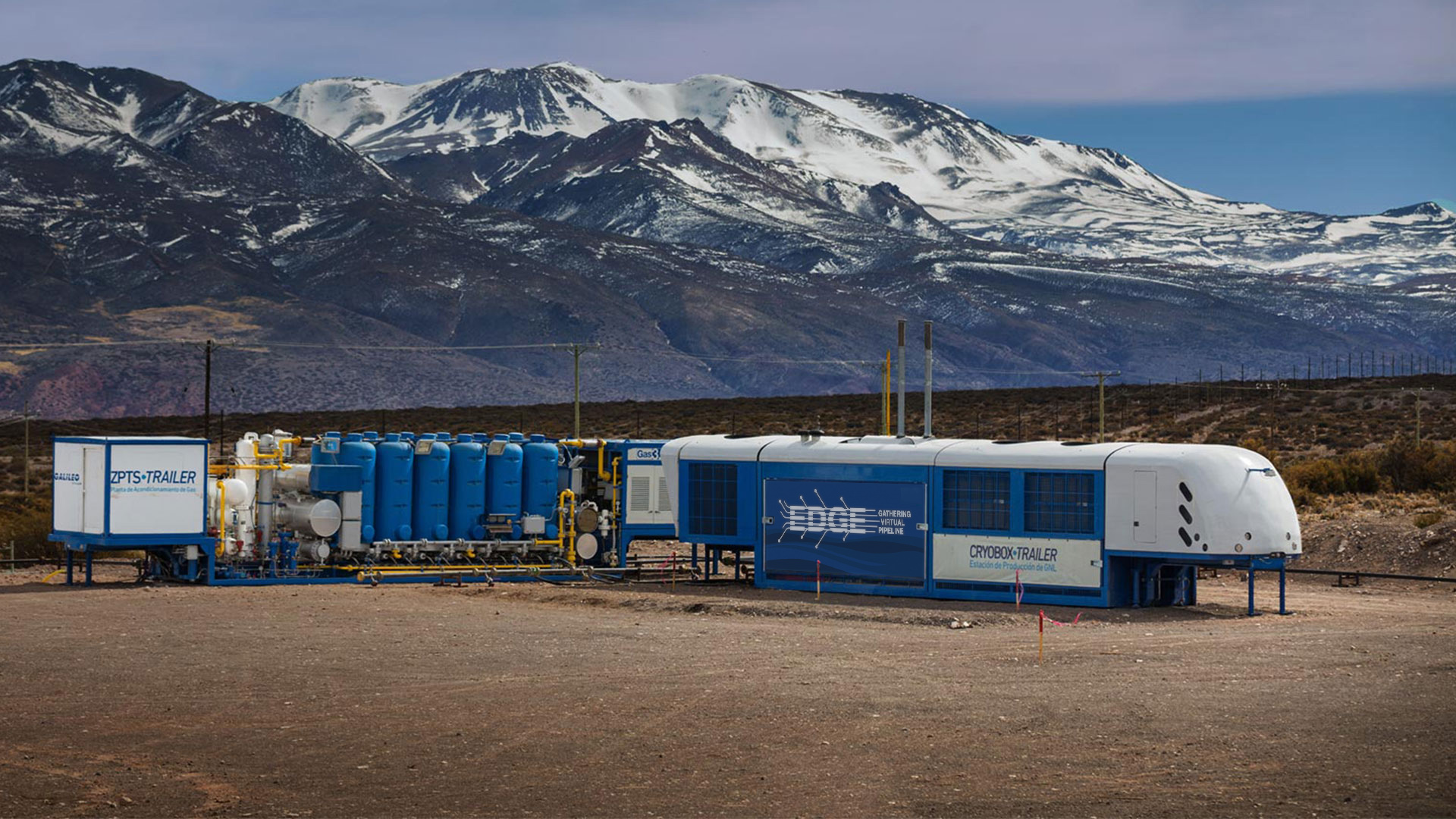
 Although the second quarter isn’t over yet, EQT has just released “preliminary” 2Q19 financial and operational results in a bid to fend off a takeover attempt. EQT’s current management and board of directors is in a tough fight to retain control of the company. Toby and Derek Rice, formerly of Rice Energy (which was sold to EQT in 2017) are making a play to replace the board of directors and all of EQT’s top management.
 In the coming month, the U.S.’s seven major shale plays will produce a cumulative 81.4 billion cubic feet (Bcf) of natural gas, the first time U.S. shale production has surpassed 81 Bcf/d. Yesterday our favorite government agency, the U.S. Energy Information Administration, issued our favorite monthly report, the Drilling Productivity Report. The DPR is a forecast of oil and gas production in the country’s major shale plays for the coming month, made by the expert number crunchers at EIA. The Marcellus/Utica is forecast to increase production an amazing 1/3 Bcf in the next 30 days, for a THIRD month in a row. Just incredible.
 Mountain Valley Pipeline (MVP), a 303-mile pipeline from Wetzel County, WV to the Transco Pipeline in Pittsylvania County, VA (now 80% built), may have just found a way to eliminate one of the last remaining obstacles to completing the project. Although MVP’s solution will delay completion and cost more money. In a regulatory filing with the Securities and Exchange Commission made Monday, Equitrans (builder of MVP) announced a deal with the U.S. Department of the Interior to swap ownership of land over which some of the Appalachian Trail travels in return for the right to drill under the Trail.
 As we chronicle today in another post, Marcellus/Utica gas continues to break new records for production. In July, the U.S. EIA says “Appalachia” gas production will hit a new all-time high of 32.4 billion cubic feet per day (Bcf/d). Our region doesn’t use anywhere near that much gas, which means we have to find other markets that will use it. So where does all that gas go? And how does it get there? That’s the topic of a recent RBN Energy post that outlines the corridors and pipelines that flow our gas to other markets around the North American continent.
 Ann Bristow, Professor Emeritus at Frostburg State University and resident of Garrett County, is once again trying to foment irrational fear of the fossil fuel industry. Bristow was one of the “experts” that kept fracking out of Garrett County (one of two Maryland counties with commercial shale deposits), harming its citizens economically. Now she’s trying to whip up opposition to a regional ethane storage hub that won’t even be located in Maryland.