Bradford County | CNG/LNG | Energy Services | Exporting | Industrywide Issues | New Fortress Energy | Pennsylvania | Processing Plants
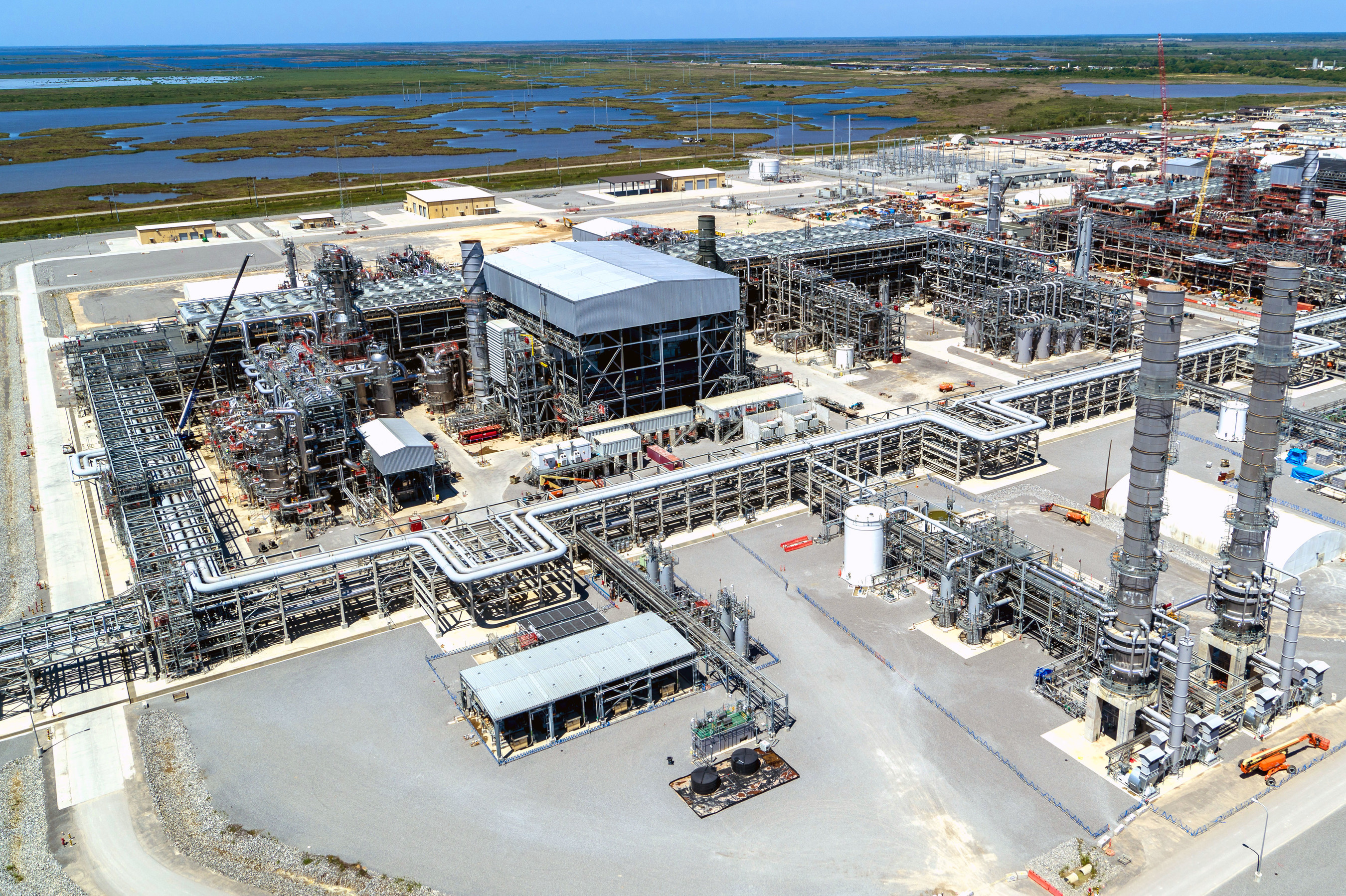
Work Begins to Clear Site for NEPA Landlocked LNG Export Plant

Although we’ve recently reported several stories about the CEO of New Fortress Energy (see New Fortress Energy Founder/CEO Big-time Democrat Donor) and the company’s plan to build a new dock along the Delaware River to export LNG (see DRBC Approves New Fortress LNG/NGL Shipping Dock on Dela. River), we’ve not heard much about construction of the LNG plant itself, located in northeastern Pennsylvania. We have an update.
Read More “Work Begins to Clear Site for NEPA Landlocked LNG Export Plant”
 Speaking of New Fortress Energy and their planned northeast Pennsylvania LNG liquefaction facility (see today’s story, Work Begins to Clear Site for NEPA Landlocked LNG Export Plant), in addition to chilling natural gas into LNG, you also need a way to load it onto ships and move it to other markets. New Fortress plans to build a $96 million, 1,600-foot-long pier on the New Jersey side of the Delaware River at the former DuPont dynamite factory site to dock and load two ships at a time.
 Yesterday, over the shrill objections of THE Delaware Riverkeeper, the Delaware River Basin Commission (DRBC) approved a plan put forth by New Fortress Energy to build a $96 million 1,600-foot-long pier on the New Jersey side of the Delaware River at the former DuPoint dynamite factory site. The purpose of the pier? To dock and load two ships at a time–loading them with either LNG (liquefied natural gas) and/or NGLs (natural gas liquids, like propane, butane and ethane).
 Attendees at the LDC Gas Forum Northeast conference in Boston heard from speakers on Monday who said supplying natural gas for LNG export operations is creating “a large opportunity for Northeast producers and midstream operators,” but those producers and operators need to be “more aggressive in pushing back against opponents” of their projects.
 A few weeks ago MDN brought you the news that THE Delaware Riverkeeper had finally (months after everyone else knew) woke up to the fact that New Fortress Energy is planning to build an LNG loading facility on the banks of the Delaware River, on the New Jersey side, near Philadelphia (see
  Something is not going well at Elba Island in Georgia. Kinder Morgan has left a string of broken promises about the date for which the first Elba Island LNG export plant “mini-train” will begin producing and shipping LNG. We’ve chronicled the journey extensively.
 New Fortress Energy is expanding into the LNG space like gangbusters. We brought you a story about New Fortress’ billionaire co-founder just yesterday (see
 Maya van Rossum, who fancies herself as THE Delaware Riverkeeper, has her knickers in a twist. She’s just woken up to the fact that New Fortress Energy, which is building an LNG liquefying plant in northeastern Pennsylvania (see
  During a President Trump trade trip to China in November 2017, Chinese officials signed an informal (non-binding) agreement to invest a whopping $83.7 billion in shale and petrochemical projects located in West Virginia (see
  The so-called trade war with China has just been ratcheted up a notch–by China. In a move to cut off their own nose to spite their face, the Chinese have hiked tariffs on LNG imports coming into their country from the United States–from a 10% tax to a 25% tax. Given only two LNG cargoes from the U.S. have landed in China this year, we suspect there won’t be any more LNG shipments from us to them for the foreseeable future. Depending on who you talk to, this is either no big deal, or a complete economic disaster for our shale gas industry.
 For the past 12 consecutive months and counting, the United States has been a net exporter of natural gas. That means we sell more gas to other countries than we buy. What a turnaround from just a few years ago! What may surprise you is that the way we export most of our gas is via pipeline–to Canada and Mexico. And what may further surprise you to learn is that our exports to Canada have hit new record highs thanks mostly to two Marcellus/Utica pipelines–Rover and NEXUS.
 Kinder Morgan has left a string of broken promises about the date for which the first Elba Island (Georgia) LNG export plant “mini-train” will begin producing and shipping LNG. We’ve chronicled the journey extensively. A month ago KM announced it was once again pushing back the startup of the first mini-train to April, “because of construction delays” (see
  We’ve been keeping an eye on natural gas supplies coming out of the ground in the Permian (West Texas and eastern New Mexico) for more than a year. Why? Because all that associated gas being produced in the Permian has to go somewhere, and increasingly it goes to places where Marcellus/Utica gas also goes. A potent competitor. A year ago we told you about Permian and M-U gas competing in Midwestern markets (see