
DRBC Reconsiders New Fortress LNG/NGL Shipping Dock on Dela. River
 There, now that’s the DRBC (Delaware River Basin Commission) we know and expect–obsequiously bowing before the likes of THE Delaware Riverkeeper and her environmental cousin, the Sierra Club. In June the DRBC approved a request by New Fortress Energy to build a $96 million 1,600-foot-long pier on the Delaware River (see DRBC Approves New Fortress LNG/NGL Shipping Dock on Dela. River). After being hounded (and threatened) by Riverkeeper and the Sierra Club for months over that approval, DRBC voted last week to “reconsider” its earlier decision. Their true colors shine through.
Read More “DRBC Reconsiders New Fortress LNG/NGL Shipping Dock on Dela. River”
 PBS reporter Reid Frazier should enjoy what is likely to be his one and only trip to Europe on the StateImpact Pennsylvania company dime. He’s gone there to follow Marcellus molecules exported from Pennsylvania, to see how they’re used. Frazier’s first stop is Scotland where they use our ethane to create plastics. Frazier’s report is actually (shock warning, please sit down) pretty fair and balanced–even complimentary of the Marcellus Shale and the plastics industry! Frazier’s overlords inside the William Penn Foundation (big financial backers of StateImpact) are NOT going to be happy with his reports if they continue like this one.
 About a month ago ago Sempra Energy’s Cameron LNG project in Lake Charles, La. began to liquefy and export natural gas–some of it coming from the Marcellus/Utica region (see
 New Fortress Energy is in the process of building the first (of two or more) LNG liquefying plants in Wyalusing, PA–nowhere near a shoreline. The company will truck (eventually rail) the LNG to a port located on the Delaware River along the New Jersey shoreline for export to Puerto Rico and other destinations. As we reported in July, work is now underway to clear the site before actual construction of buildings begins (see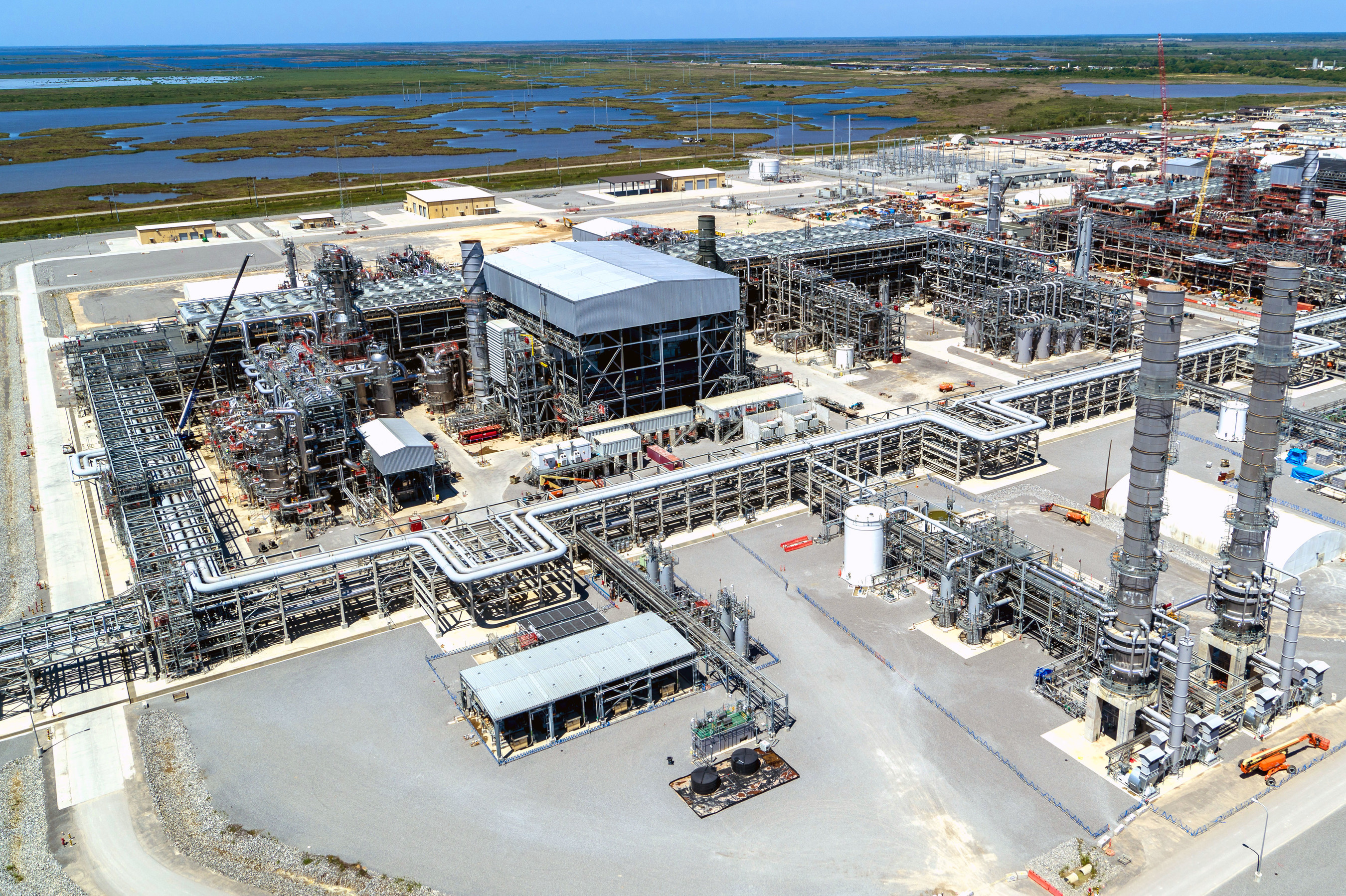
 Kinder Morgan, the largest pipeline company in the U.S., has left a string of broken promises about the date for which the first Elba Island LNG export plant “mini-train” would begin producing and shipping LNG. We’ve chronicled the journey extensively. According to an official update from KM in July, Elba was “in advanced stages of the commissioning and start up process, including LNG production” (see
  Last week MDN brought you an RBN Energy article that outlines how Marcellus/Utica gas hitches a ride to the Gulf Coast to feed several LNG export facilities–specifically the newly-minted Cameron LNG export facility (see
  Marcellus/Utica gas hitches a ride to the Gulf Coast to feed several LNG export facilities. We previously outlined how some gas flows to Cheniere’s Sabine Pass LNG plant via Williams’ Transco system (see
  U.S. Senator from Mississippi John Wicker (Republican), and Congressman John Garimendi from wacko California (Democrat), have re-introduced a really bad bill euphemistically called Energizing American Shipbuilding Act. We’ve extensively covered the 1920 Jones Act that prevents any shipping from one U.S. port to another unless the ship is *built* and *owned* by Americans. The Jones Act prevents us from shipping homegrown LNG to any ports because there are not big LNG carries made here in the U.S. (see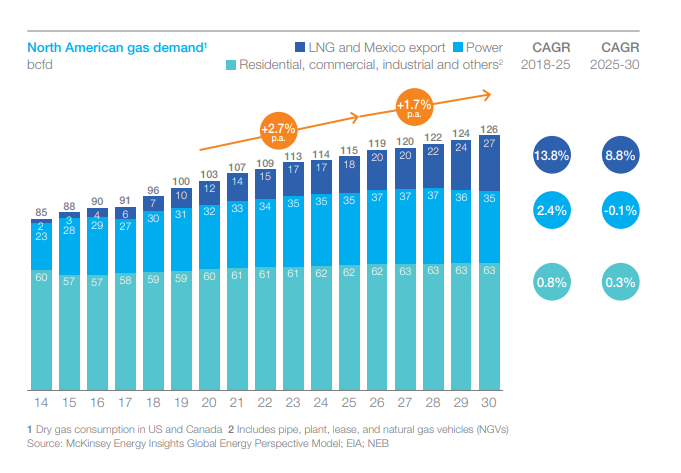
 As we have and continue to cover, there is an exciting development happening in northeastern Pennsylvania. New Fortress Energy has begun to clear the site where they will build an LNG liquefaction plant in Wyalusing (see
  A newspaper in the Philippines is reporting that New Fortress Energy, the company currently building one (rumored to be two) liquefied natural gas (LNG) liquefaction plants in the northeastern Pennsylvania Marcellus, has approached the Philippines Department of Energy (DoE) about building an onshore LNG import terminal that would be integrated with a gas-fired power plant.