
Equitrans: Narrow Path to Finish MVP in 2020; Hammerhead Ready 2Q
 Midstreamer Equitrans, the former EQT Midstream (before EQT split itself into two companies) posted its first-quarter 2020 update yesterday and held a conference call with analysts. Of primary concern and focus for us, and most observers was an update on the company’s 303-mile Mountain Valley Pipeline (MVP) project, which is 90% built and in the ground. The remaining portions of MVP are held up by various court cases and regulatory actions. According to officials on the call, there is a “narrow path” to completing the project by the end of this year at a cost of $5.4 billion. If the timeline slips, the cost goes up.
Read More “Equitrans: Narrow Path to Finish MVP in 2020; Hammerhead Ready 2Q”
 Virginia’s radially left Attorney General, Mark Herring (Democrat), was among 11 other radically left Democrat AGs who recently sent a letter to the Federal Energy Regulatory Commission (FERC) requesting the agency just stop doing its job in approving pipeline projects until the COVID-19 pandemic is over (see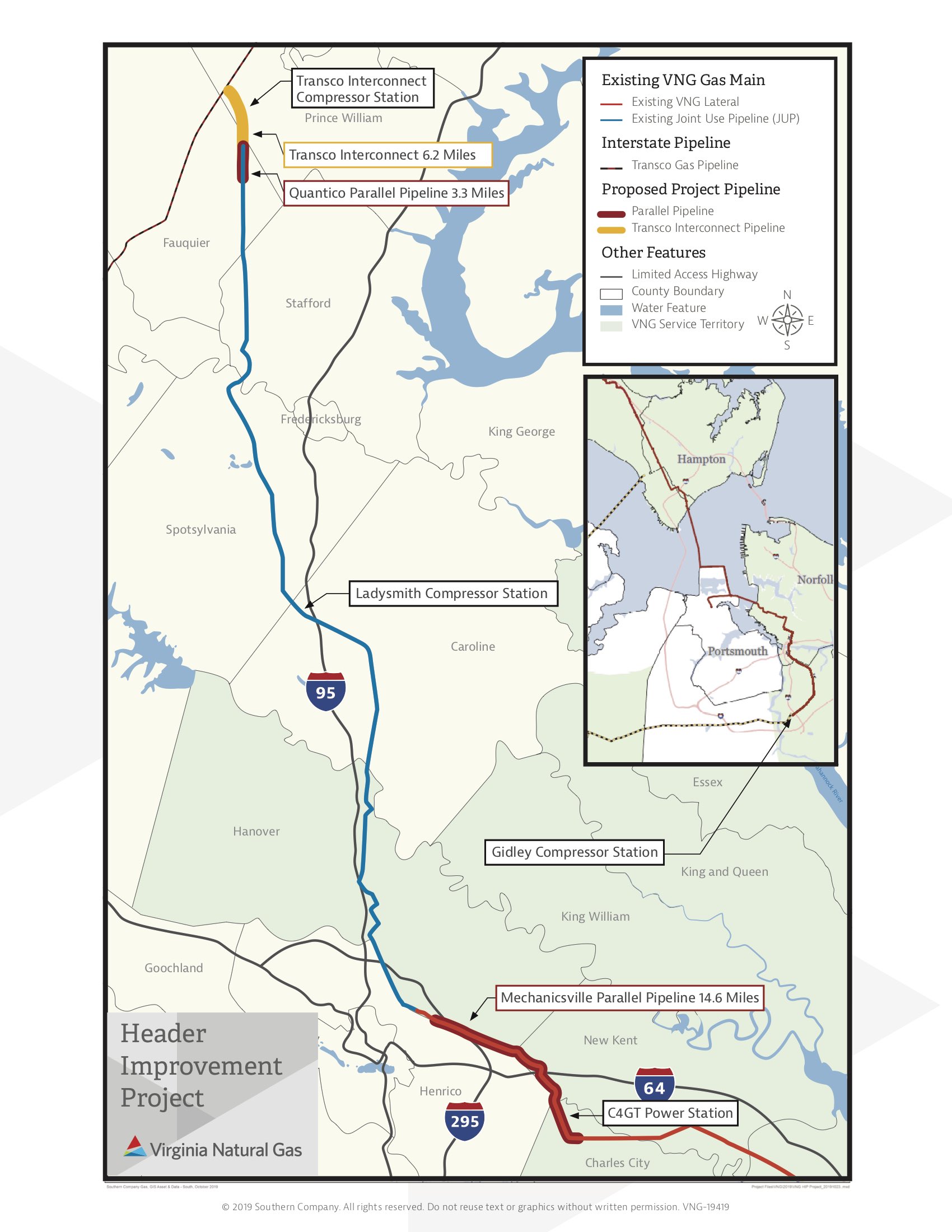
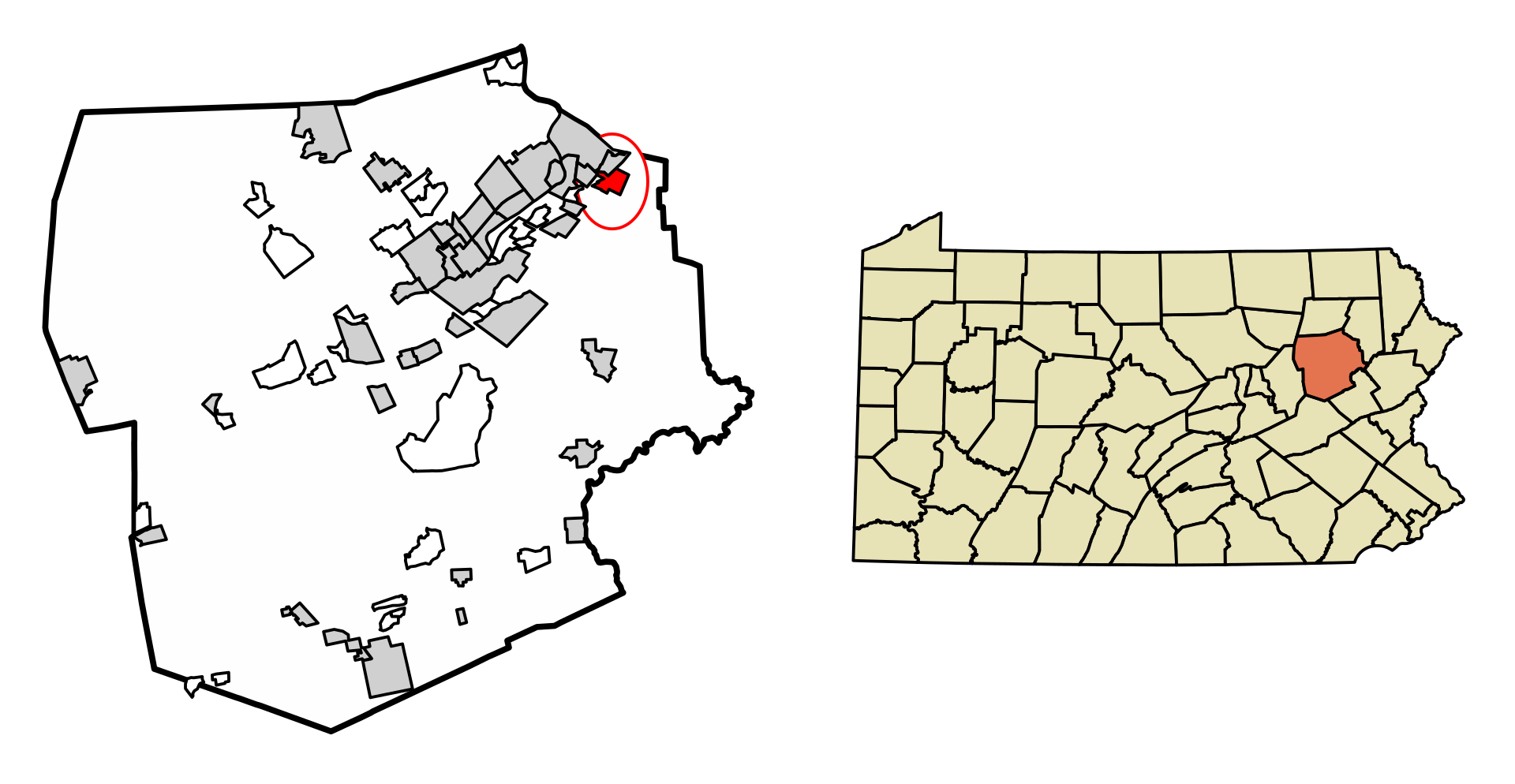
 A relatively short pipeline project to flow water from the Susquehanna River in Tunkhannock (Wyoming County), PA to a water impoundment about seven miles away, began construction in February 2019 (see
  A tiny 2.1-mile pipeline looping project in western Massachusetts has been fought tooth and nail for over two years by anti-fossil fuel zealots. The Federal Energy Regulatory Commission (FERC) approved the project, subsequently refused to “rehear” its decision, and now Big Green groups (with loads of money) have colluded to sue FERC in federal court in an attempt to emasculate the agency because it won’t consider mythical man-made global warming when approving projects like this one.
 Energy Transfer (ET), one of the largest midstream (pipeline) companies in the U.S., is making another major cut in its 2020 capital budget. The company released its first-quarter update yesterday indicating it will cut spending this year by “at least” another $400 million, with a potential extra $300-$400 million cut later in the year. So spending may dip by most of billion dollars extra during 2020.
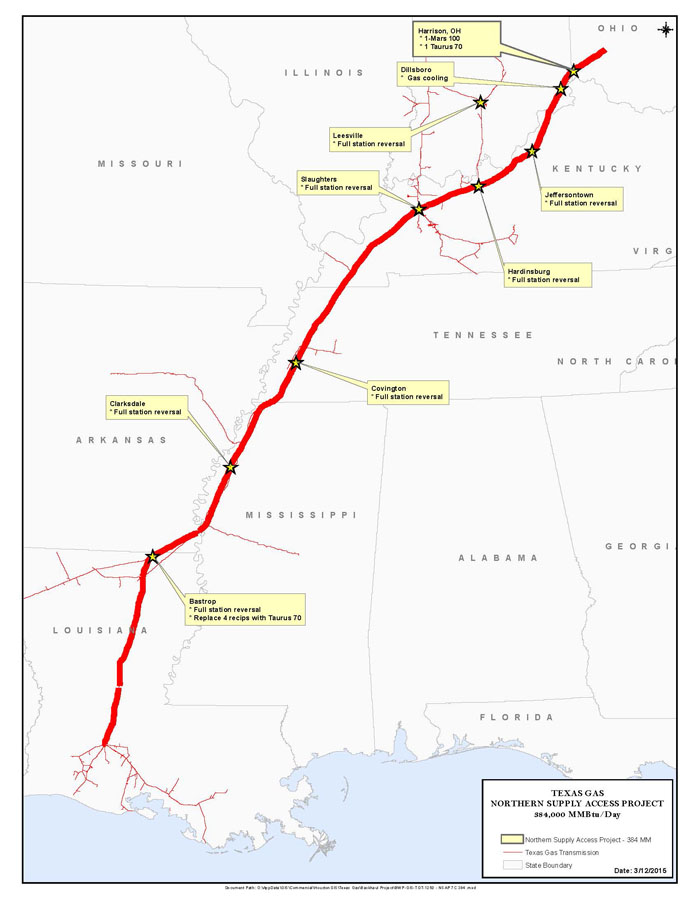
 One week ago the Texas Eastern Pipeline Company (TETCO) pipeline running through Kentucky exploded for the second time in a year (see
  This is getting ridiculous. Does anyone really believe that a single pipeline project already built and now getting a redo could possibly have racked up 680 “violations” during construction work over the past five months? We certainly don’t believe it. Yet that’s what the Pennsylvania Dept. of Environmental Protection (DEP) alleges. Energy Transfer (ET), the builder and fixer of Revolution, has their own allegation: The DEP itself is “not in compliance with its own guidelines.” Who inspects the inspectors for compliance?
 Rahm Emanuel (Democrat), former Mayor of Chicago and former Chief of Staff in the Bill Clinton White House, once famously quipped, “You never let a serious crisis go to waste. And what I mean by that it’s an opportunity to do things you think you could not do before.” Emanuel’s fellow Democrats who control 10 states plus the District of Columbia are taking his advice. The AGs from each of those states sent a letter to the Federal Energy Regulatory Commission (FERC) yesterday asking FERC to delay approving any new pipeline projects until the virus pandemic is over.
 Mountain Valley Pipeline (MVP), a 303-mile Marcellus/Utica gas pipeline from West Virginia to southern Virginia, is 90% built and in the ground. The final 10% is waiting on various lawsuits and regulatory agencies to resolve outstanding issues brought on by radicalized green groups. One of the places the pipeline has long been done and in the ground is Lewis County, WV. It’s a mountainous area. Inspectors recently discovered there have been “slips” of the land resulting in “at least three locations” where MVP has shifted.
 On Tuesday MDN told you that the Texas Eastern Pipeline Company (TETCO) pipeline running through Kentucky had exploded for a second time in a year (see
  Williams, the midstream/pipeline giant with major operations and assets in the Marcellus Shale, released its first-quarter update and held a conference call with analysts yesterday. The company wrote down the value of several projects, including the Constitution Pipeline, which led to a paper loss of $518 million in 1Q20. That’s the bad news. The good news is that the Marcellus (which Williams calls its Northeast G&P segment) saw revenues rise 23% in 1Q20.
 Dominion Energy issued its first-quarter 2020 update yesterday showing the company had a paper loss (due to impairments) of $270 million in 1Q. Given the company wrote down $2.6 billion worth of assets, losing $270 million on paper seems pretty darned good. Dominion is a BIG company with lots of different businesses. It is a midstream/pipeline company, a power generation company, and a utility delivering power to end-users. Lots of fingers, lots of pies. The one thing we were looking for in this update is new info about the company’s 600-mile Atlantic Coast Pipeline (ACP) from the Marcellus/Utica to Virginia and North Carolina.
 Two weeks ago MDN told you about Virginia Natural Gas (VNG) and their request for state permission to build 24 miles of new pipeline and two new compressor stations (expanding a third compressor), connecting to the mighty Transco pipeline system to flow Marcellus/Utica gas to the northeast Va. region (see