
Anti-Drilling/Fossil Fuel | Enbridge | Energy Services | Industrywide Issues | Litigation | Pipelines | Spectra Energy
Obama Judge Overturns Air Permit for Weymouth, MA Compressor Stn

The radical environmental activism of the dark Obama years continues to live on via our corrupted court system. After years of delays caused by colluding Big Green groups, the Federal Energy Regulatory Commission (FERC) finally green-lighted construction of a compressor station in Weymouth, Mass. late last year (see Stop Press! Enbridge to Begin Construction on Weymouth Compressor). And indeed, construction began in December with antis trying to block it (see 2 Dozen Antis Protest at Weymouth Compressor Site – 4 Arrested). Now a federal judge appointed by Lord Barack Hussein Obama has overturned a state permit for the project, a permit issued nearly a year ago.
Read More “Obama Judge Overturns Air Permit for Weymouth, MA Compressor Stn”
 On Tuesday, New Jersey Attorney General Gurbir Grewal filed a brief with the U.S. Supreme Court asking the court to not even consider hearing a case involving PennEast Pipeline. Grewal wants to deny the project its day in court. In the brief Grewal outright lies by saying “PennEast is wrong” in its claim that a lower court decision, if allowed to stand, would result in pipeline projects across the country getting blocked. That is a 100% lie and Grewal knows it.
 Delaware River Basin Commission (DRBC) Executive Director Steve Tambini is such a disappointment. He has totally caved to the hard-left environmental lobby that has its hooks deeply embedded in the DRBC. On June 1 Tambini sent a letter that’s, well, embarrassing. He sent the letter to the Federal Energy Regulatory Commission (FERC), telling FERC that the DRBC does have a say in whether or not the PennEast Pipeline can get built–even though not one inch of Phase 1 of the project will traverse DRBC’s jurisdiction.
 A coalition of so-called environmental groups (leftist, very radical organizations) filed an official request with the Federal Energy Regulatory Commission (FERC) on Saturday calling on FERC to conduct a supplemental environmental impact statement (EIS) for a project that’s already been studied to death: Dominion Energy’s Atlantic Coast Pipeline (ACP). The once $5.5 billion project (now $8 billion because of delays caused by these nefarious groups) will run from West Virginia through Virginia and into North Carolina.
 New York City and Long Island are starved for new sources of natural gas. Utility giant National Grid supplies all of Long Island with gas, including NYC’s Brooklyn and Queens. National Grid’s best option to supply growing customer demand was a new pipeline. That option is now closed, thanks to Andrew Cuomo (see
  New Jersey Natural Gas (NJNG) has been saying, for years, that unless that state wants to run out of natural gas, it needs to allow a couple of new pipelines to bring new sources into the state. NJNG is promoting two pipeline projects–the Southern Reliability Link project and the PennEast Pipeline. Southern Reliability is currently under construction while PennEast is mired in a court battle. Now it seems the state is finally waking up to the fact they will run out of gas in the next 10 years if they don’t do something. So they’ve launched a study to see whether or not they can block the pipeline projects.
 The mighty Mariner East 2X (ME2X) pipeline project gets closer and closer to 100% completion, despite the efforts of anti-fossil fuelers to hassle and block the project. In a bit of news ignored by mainstream media, another 13-mile stretch of ME2X in southeastern PA between Chester and Delaware counties went online late last week.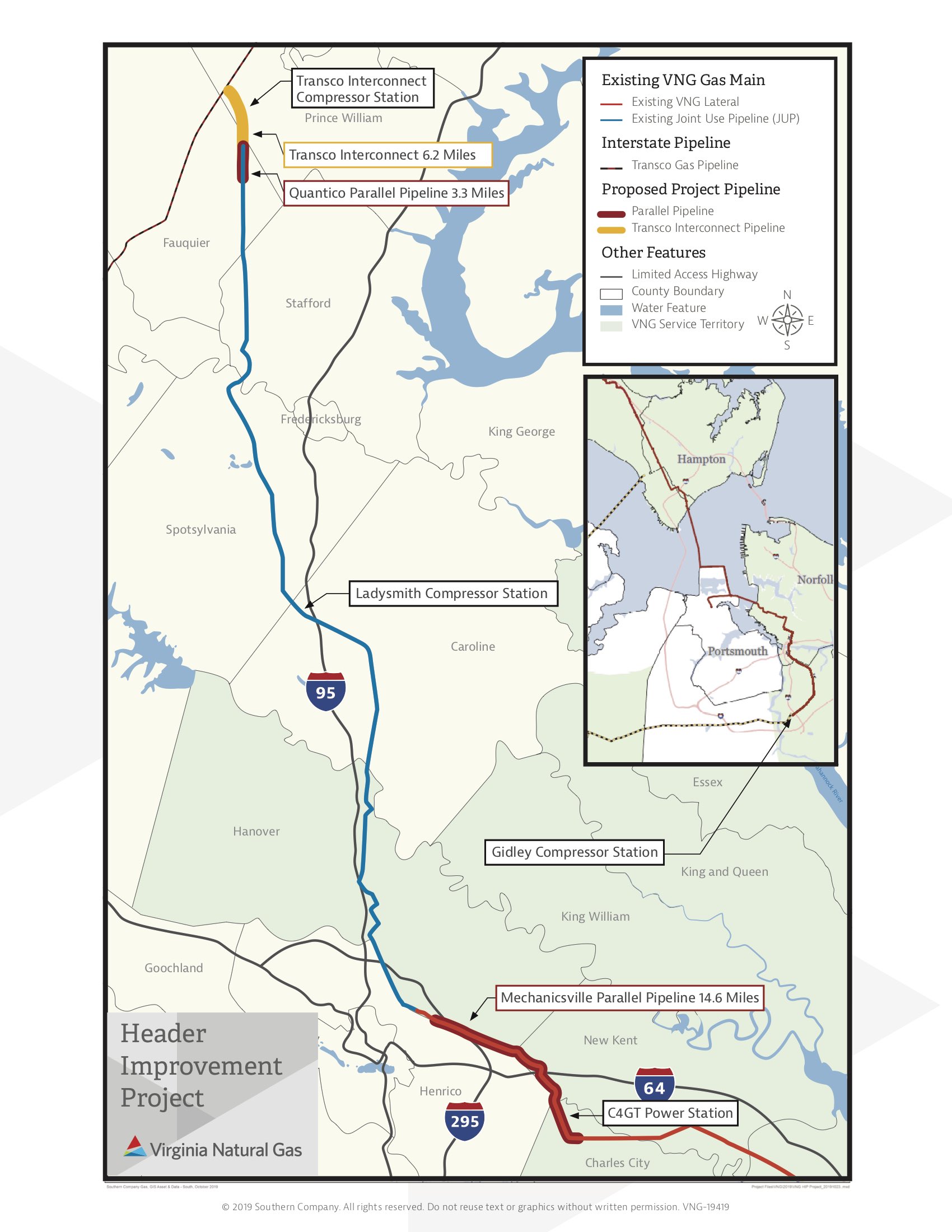
 The U.S. Court of Appeals for the Ninth Circuit (i.e. Cirus), located in California, has struck again. We previously told you about an Obamadroid judge in Montana who illegally blocked the use of the U.S. Army Corps of Engineers Nationwide Permit 12 for oil and natural gas pipelines (see
 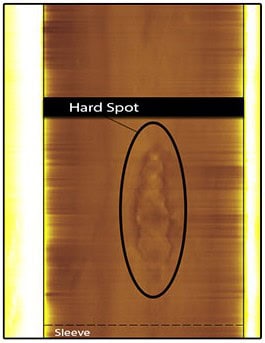 The last nine months haven’t been the best for Enbridge’s Texas Eastern Pipeline Company (TETCO) pipeline in Kentucky. Last August one of the TETCO lines exploded in Lincoln County, Kentucky, killing one and sending six to the hospital (see
 According to an S&P Global Platts article, “spending cuts by producers and pipeline operators likely will reshape what and when natural gas midstream infrastructure is developed over the next several years.” The cuts and reshaping will, however, be “uneven.” The experts interviewed say pipeline and other midstream projects in gas-focused plays, like the Marcellus/Utica, are more likely to get built while new gas infrastructure in oil plays like the Permian and Bakken are less likely to get built.
 Is it time to turn the gas off for New York City and let the people there reap the “benefits” of having a dictator, Andrew Cuomo, as their governor? On Friday the NY Dept. of Environmental Conservation, thoroughly and completely corrupted by Cuomo, issued yet another rejection for the critically-needed Northeast Supply Enhancement (NESE) pipeline project. It was the last straw for Williams, the builder of the project, which has walked away from the project. Gas customers on Long Island, including parts of NYC, now face the real prospect of running out of natural gas (this is not an exaggeration). Andrew Cuomo is the grossest, most corrupt governor in NY’s history.
 Yet another lawsuit trying to emasculate the Federal Energy Regulatory Commission (FERC) by attacking its right to delegate eminent domain authority to pipeline builders has been tossed in federal court. Several of these cases have been tried using Marcellus/Utica pipeline projects. This latest case was brought by uppity, privileged landowners in Virginia against the Equitrans Mountain Valley Pipeline (MVP) project.
 Last week MDN brought you the news of another Pennsylvania Pipeline Investment Program (PIPE) grant being issued–this one in Luzerne County, near Wilkes-Barre (see