
Two Lawsuits Filed Against Enbridge for KY TETCO Pipe Explosion
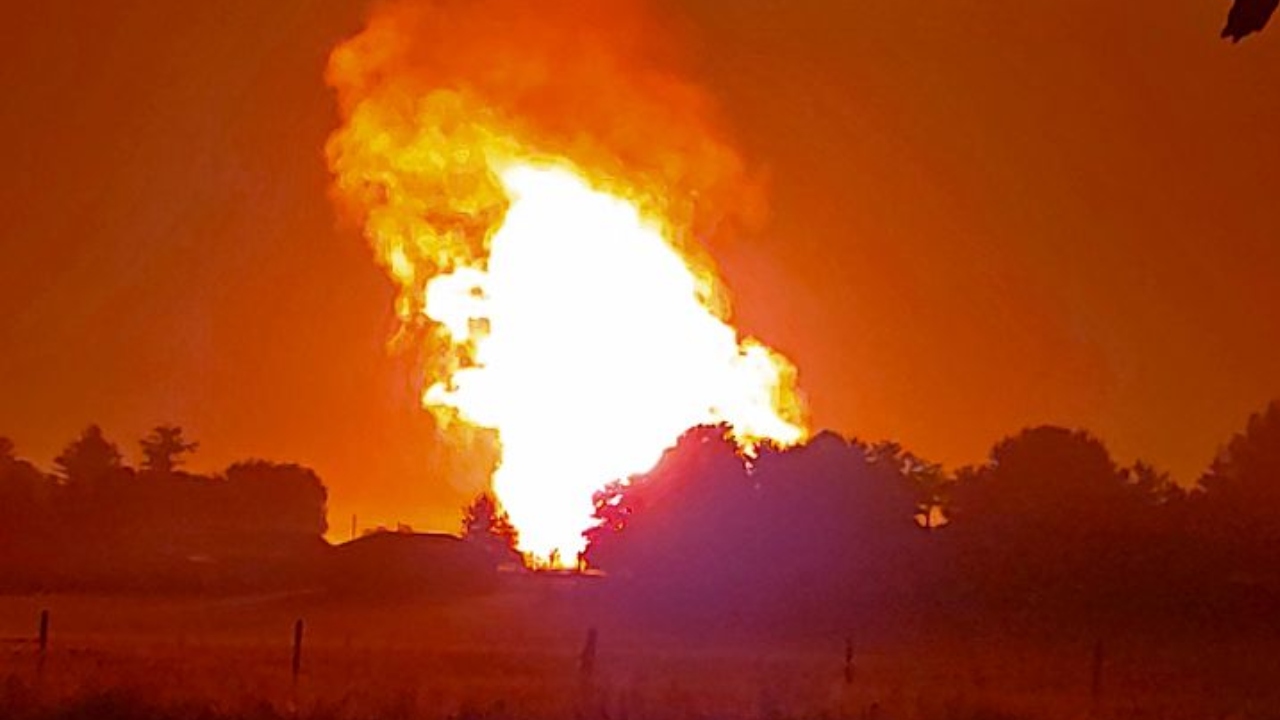 On August 1, Enbridge’s Texas Eastern Pipeline Company (TETCO) pipeline exploded in Lincoln County, Kentucky–killing one and sending six to the hospital (see TETCO Pipe Explodes in Kentucky Killing 1; Southbound M-U Gas Stops). Since that time one of the three TETCO pipes in the area has returned to service. We’re just now learning that at least two lawsuits have been filed against Enbridge and TETCO–one for wrongful death, the other by a couple severely injured and burned following the incident.
Read More “Two Lawsuits Filed Against Enbridge for KY TETCO Pipe Explosion”
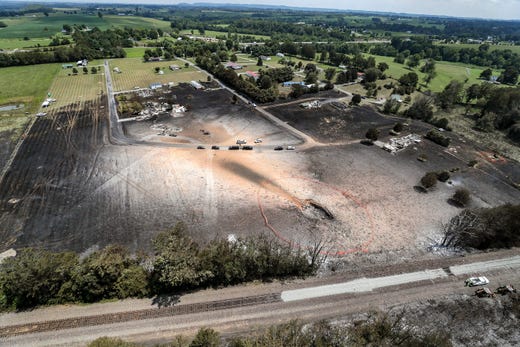
 Last Thursday the Texas Eastern Transmission Company (TETCO) pipeline exploded near a trailer park in Lincoln County, Kentucky (see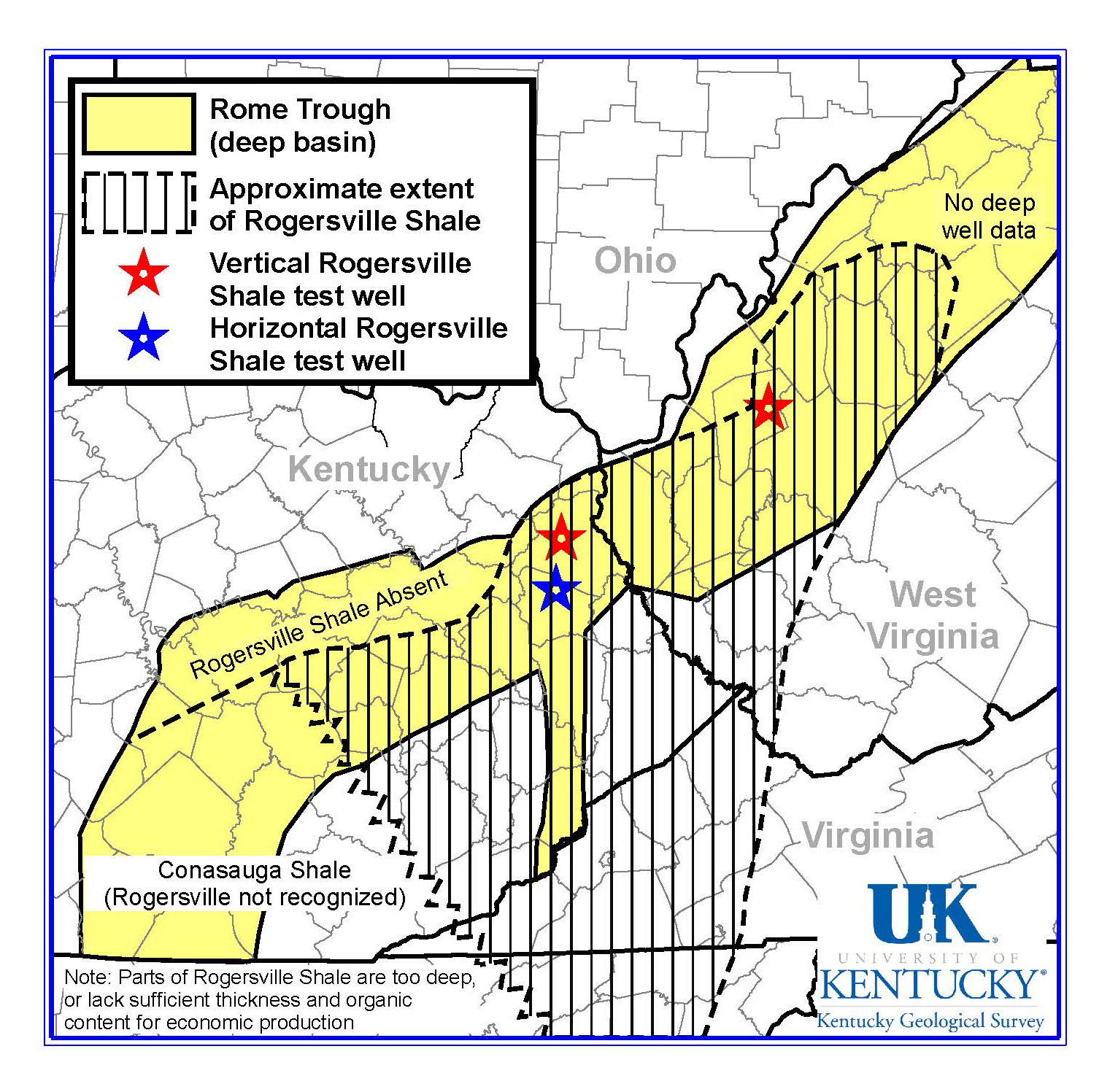
 Once again it seems environmentalists in Kentucky have won–stopping yet another NGL (natural gas liquids) pipeline. On Wednesday Kinder Morgan, one of (perhaps the) largest pipeline companies in North America, announced it is canceling plans to convert part of its Tennessee Gas Pipeline (TGP) that currently flows natural gas from the Gulf Coast to the northeast, to reverse the pipeline and flow natural gas liquids (NGLs) from the Marcellus/Utica region to the Gulf Coast. The project, called Utica Marcellus Texas Pipeline (UMTP), would have cost $4 billion. Instead, Kinder says it will still seek to reverse a big portion of TGP, but will instead flow M-U natgas south, instead of NGLs.
 Diversified Gas & Oil continues its mission to buy as many non-shale (conventional) oil and gas wells as it can in the Appalachian Basin. In June, MDN brought you the exclusive news that Diversified had purchased EQT’s Huron Shale assets in Kentucky, Virginia and West Virginia for $575 million (see
  There’s only so much you can cram into a 65 character headline. We wanted to say more. Catalyst Energy was, until 2017 (when it quit drilling new wells) a conventional-only oil driller focused mainly on western Pennsylvania. It quit drilling due to low oil prices. Catalyst has just announced that, pending the outcome of a new round of investments it’s seeking, the company will restart its drilling program–but this time with a twist. Catalyst is transforming itself from a conventional to an unconventional driller.
 A group of 116 EQT production employees who live and work in Kentucky have voted to form a union to protect their jobs and benefits. It is unusual–frankly unheard of–for unions to make inroads with an exploration and production company (E&P) like EQT. Why this group and why now? The fire was lit when EQT announced it is selling its Huron Shale assets to Diversified Gas & Oil (see
  MDN exclusively brought you the news, on June 19, that Diversified Gas & Oil had purchased EQT’s Huron Shale assets in Kentucky, Virginia and West Virginia for $575 million (see
  Looks like EQT, the largest natural gas-producer in the U.S., is graduating from prep school. That is, EQT is about to sell all of its remaining assets in the Huron Shale play. The Huron is located mainly in West Virginia and Kentucky, also poking up into Ohio and traveling along the edge of Virginia. Most of EQT’s considerable Huron assets (some 12,000 wells) are located in Kentucky. From what we can tell, most of those wells are conventional. That is, not horizontal wells but vertical. The Huron was EQT’s early experiment in shale before shale was “a thing.” EQT played around in the Huron to learn how to drill in shale. According to former CEO Steve Schlotterbeck, “the Huron play was like prep school for us.” Last Thursday EQT filed a Form 8-K with the Securities and Exchange Commission advertising the news they have plans to sell their Huron assets–not only the wells but the pipeline system that connects the wells…
 Last week RCL Chemical announced it has partnered with Y2X Infrastructure to build a $325 million gas-to-liquids (GTL) plant in Floyd County, Kentucky. GTL plants convert natural gas, a hydrocarbon, into other hydrocarbons, like diesel fuel, gasoline, solvents and waxes. An abundance of cheap natural gas in the Marcellus/Utica is one of the prime motivators for establishing GTL plants in the region. Although we’ve heard plenty of talk about such plants, we’ve only seen a few prototypes get built thus far. The RCL/Y2X story caught our attention because Kentucky hates new gas pipelines, yet wants to build a plant that will use gas coming from pipelines (see