
Coterra Energy (Cabot O&G) | Energy Companies | Hydraulic Fracturing | Industrywide Issues | Litigation | Pennsylvania | Susquehanna County
Last Gasp in Dimock Couple’s Quest for Riches
Scott and Monica Ely, who once willing leased their land to Cabot Oil & Gas in Dimock, PA, then saw big bucks when their water turned cloudy, ostensibly from methane they say was the result of nearby shale drilling from Cabot, have won the right to have their “negligence” lawsuit against Cabot to continue. The single count of negligence is the only thing U.S. District Magistrate Judge Martin C. Carlson said could continue. All other claims made by the couple have been dismissed by Judge Carlson…
Read More “Last Gasp in Dimock Couple’s Quest for Riches”
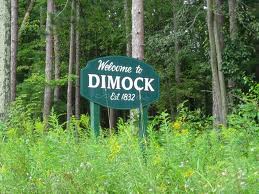

 Everyone knows how mercenary and evil those oil and gas companies are. They’re just in it for the buck. Rape and pillage poor Mother Earth–pollute the air, pollute the water, pollute everything! Those shale drillers are actually some of the worst, ya know. That’s what the anti-drilling left would have you believe. That’s the meme constantly drummed by mainstream media. Throw in a “Halliburton loophole” and “Dimock” or maybe a “Pavillion, Wyoming” and you’re good to go with the typical mainstream coverage of our industry. Just a teeny, tiny problem…none of it is true.
 Last Monday a little known anti-driller with a potty mouth from northeast PA–Vera Scroggins–had her day in court. You may recall that Vera had repeatedly trespassed on drilling sites owned by Cabot Oil & Gas in Susquehanna County and a judge slapped her with a restraining order last year. Vera said the court order prevented her from sipping lattes at the local Price Chopper grocery store (land leased by Cabot) so she got herself a lawyer from the American Civil Liberties Union and asked the judge to reconsider (see