
Green Antis Try to Reverse City’s $7.5M Deal to Allow NEXUS Pipe
 MDN told you last week that anti officials who lead the City of Green, OH (Summit County), had finally faced the reality that NEXUS Pipeline–a $2 billion, 255-mile interstate pipeline that will run from Ohio through Michigan and eventually to the Dawn Hub in Ontario, Canada–will come through their vicinity (see Antis of Green, OH Finally Face Reality – Will Allow NEXUS Pipe). Green previously hired a high-priced Cleveland law firm to try and scuttle the NEXUS project (see Green, OH Paying Lawyers $100K to Fund Stop NEXUS Crusade). In the end, everyone has their price. For Green, the price is $7.5 million and 20 acres of land that sit next to an existing city park. While Green antis in city government hate the idea of the pipeline getting built at all (especially Green’s anti-pipeline mayor), the writing is on the wall. They will lose and they know it. To save face, the mayor negotiated a deal with NEXUS that city council voted to accept. However, the mayor and city council’s actions don’t sit well with some of the more radical elements in Green. The rads have since launched a campaign to force the city to accept a vote on whether or not to settle with NEXUS. The city says the signed settlement from last week is an administrative action, not subject to a popular vote. The rads say otherwise. It’s shaping up to be a legal battle royale in Green–antis against antis. Grab the popcorn!…
Read More “Green Antis Try to Reverse City’s $7.5M Deal to Allow NEXUS Pipe”
 In what can only be considered a government shakedown, Sunoco Logistics Partners agreed last week to pay a massive (historically high) $12.6 million fine to the PA Dept. of Environmental Protection (DEP) for “permit violations related to the construction of the Mariner East 2 pipeline project” (see
  The “best of the rest”–stories that caught MDN’s eye that you may be interested in reading. In today’s lineup: Maryland official asks Army Corps to delay permission for short pipe under Potomac River; record number of laterals feed new pipes & plants in M-U; $65/bbl the new “sweet spot” for oil price; investment in upstream o&g; natural gas processing economics; M&A activity will increase in 2018; OPEC to Houston–“We have a problem”; Netherlands permanently bans fracking; Argentina on the cusp of a shale boom; Saudis look to double natgas output next 10 years; and more!
 Lots of news coming out of Antero Resources, one of the Marcellus/Utica’s biggest (and best) drillers. Antero issued its fourth quarter and full year 2017 update, along with a statement about the company’s proved reserves, earlier this week. Perhaps the biggest news is that after losing $849 million in 2016, net income for Antero in 2017 was $615 million–a $1.4 billion swing (to the good) over the course of a single year! Average daily production in 2017 was 2.25 billion cubic feet equivalent per day (Bcfe/d)–a 22% increase over 2016. Zooming in on just the fourth quarter, Antero completed and placed on line 28 Marcellus and 10 Utica wells. Antero said they are getting into long laterals. Of the Marcellus wells drilled in 4Q17, nine had laterals over 12,000 feet, with two of those exceeding 14,000 feet in length (over 2.5 miles horizontally underground). Even with long laterals, Antero decreased the average number of days it takes to drill a well–from 15 to 12 (20% less). They also upped the amount of sand they use in fracking by 23%–to over 2,000 pounds of sand per foot. At the end of 2017, Antero estimates it had 17.3 trillion cubic feet equivalent of natural gas sitting in the ground that can be extracted using today’s technology at today’s prices (“proved reserves”). That 17.3 Tcfe is 12% higher than at the end of 2016. Below is the whole enchilada–two updates from Antero, excerpts from the analyst phone call, and the latest and greatest PowerPoint presentation…
 Two days ago we reported that the West Virginia House of Delegates was due to vote on House Bill (HB) 4268, the “Co-tenancy Modernization and Majority Protection Act” (see
  Pennsylvania Gov. Tom Wolf’s Dept. of Environmental Protection (DEP), the agency charged with overseeing oil and gas drilling in the state, “blindsided” the shale industry last week with a proposal to hike the fee required when submitting an application to drill a new shale well (see
  Corning Natural Gas Corporation, a subsidiary of Corning Natural Gas Holding Corporation, is a local distribution company (LDC, or “utility”) with nearly 450 miles of gas pipeline mains transporting natural gas to roughly 15,000 customers. Corning makes natgas deliveries in 23 towns and villages–over 400 square miles–throughout the Southern Tier and central regions of New York State. Corning, as you may know, sits virtually on top of the border of New York and Pennsylvania. On the NY side of the border, a tyrant governor (Andrew Cuomo) rules with an iron fist and blocks fracking and even natural gas pipelines. On the PA side of the border, Marcellus (and increasingly Utica) shale gas is extracted in large quantities, creating a bonanza of economic and (yes) environmental benefits. Fortunately for Corning Gas, they are able to tap into some of that PA Marcellus supply. Corning Gas has a 50% joint venture owner in Leatherstocking Gas Company and Leatherstocking Pipeline Company. Leatherstocking runs gas mains to residents and businesses in small communities, like Montrose, PA (see
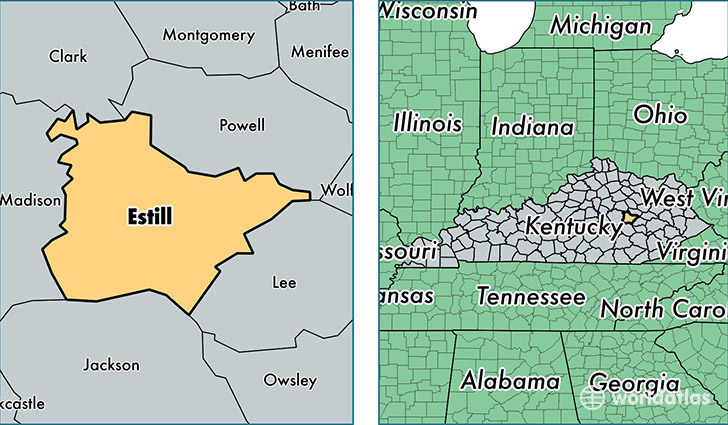
 Kentucky antis have gone to court to try and block a plan by Kinder Morgan to convert a portion of the Tennessee Gas Pipeline that flows natural gas from the Gulf Coast to the northeast, to reverse the pipeline and flow natural gas liquids from the Marcellus/Utica region to the Gulf. Part of the 964-mile project runs through Kentucky (see
  As we reported last week, President Trump’s marvelous tax cut has had some unintended (negative) consequences for pipeline companies (see
  In January, MDN reported that Mountain Valley Pipeline (MVP)–a $3.5 billion, 301-mile pipeline that will run from Wetzel County, WV to the Transco Pipeline in Pittsylvania County, VA–had received permission from the Federal Energy Regulatory Commission (FERC) to begin tree clearing and construction of access roads and construction yards in five West Virginia counties: Wetzel, Harrison, Doddridge, Lewis and Braxton counties (see
  We spotted an announcement by Diversified Gas & Oil that they have just cut a deal with two different companies–Alliance Petroleum and CNX Resources–to purchase conventional well assets from both companies for a combined price of $180 million. Alliance, based in Akron, OH, has drilled and maintained conventional oil and gas wells in the Appalachian region since 1985. While that part of the story is of passing interest, the more interesting part (for us) is Diversified’s purchase of CNX’s conventional (non-shale) wells in PA, OH and WV. This deal echos a similar deal done by Cabot Oil & Gas last summer when they sold all of their conventional wells in Appalachia (primarily in WV) to Carbon Natural Gas Company for $21.5 million (see
  Last week MDN brought you the news that Sunoco Logistics Partners had agreed to pay a massive (historically high) $12.6 million fine to the PA Dept. of Environmental Protection (DEP) for “permit violations related to the construction of the Mariner East 2 pipeline project” (see