
Energy Transfer 4Q Dominates the “Great Business” of M-U NGLs
 Energy Transfer LP (ET) owns and operates one of the largest and most diversified portfolios of energy assets in the U.S., with approximately 140,000 miles of pipeline and associated energy infrastructure. ET’s strategic network spans 44 states, with assets in all major U.S. production basins, including the Marcellus/Utica. The company issued its fourth quarter 2025 update yesterday. Based on the 4Q earnings call transcript and presentation, ET continues to view the M-U (Appalachian) region as a “great business” and remains the “dominating player” in natural gas liquids (NGL) in the M-U (and nationwide). Read More “Energy Transfer 4Q Dominates the “Great Business” of M-U NGLs”
 In early 2024, we reported that Penn America Energy CEO Franc James, the potential builder of the proposed Penn LNG export facility in the Philadelphia area, said that he “pumped the brakes” on the project but that it wasn’t dead yet (see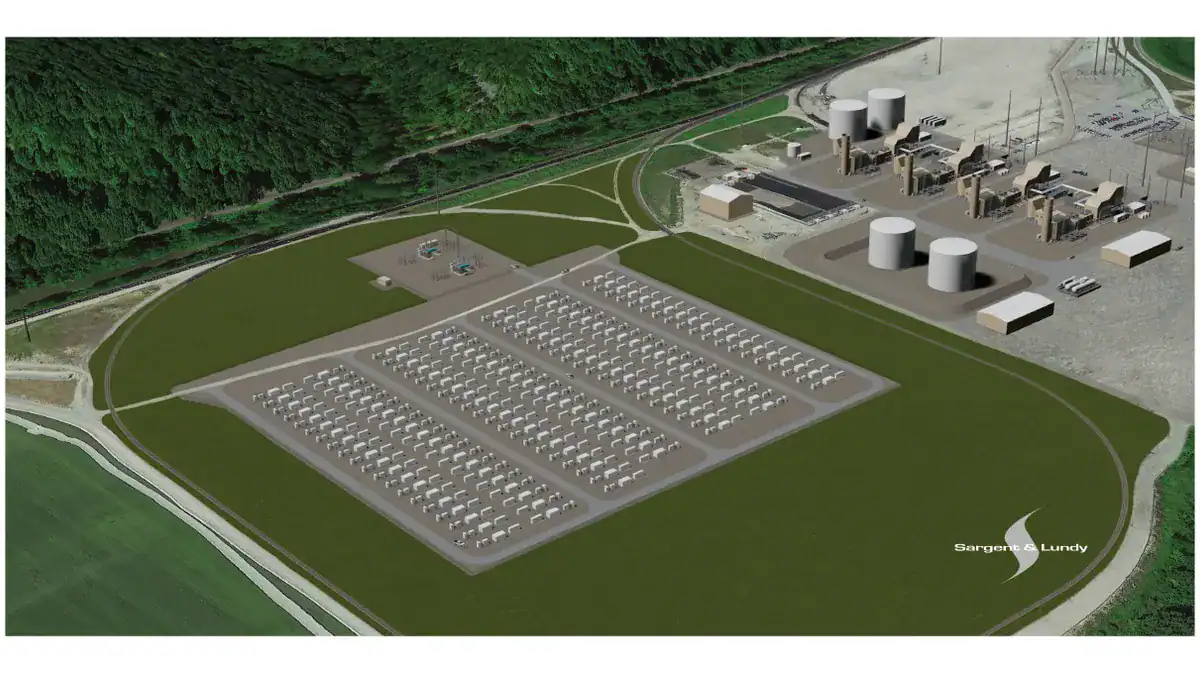
 This is disappointing. The United Mine Workers of America (UMWA) held a press conference yesterday in Charleston, WV, to oppose new natural gas power plants in West Virginia, citing concerns over coal job losses and community instability. UMW International President Brian Sanson criticized proposed projects by Mon Power and FirstEnergy, arguing that these gas-fired facilities threaten thousands of mining careers while providing only “temporary” construction jobs and minimal permanent staffing. He is urging state and federal lawmakers to enact codified legal protections for the coal industry.
  Yesterday, CNX Resources announced it is issuing new “notes” (we call them IOUs) to raise money to buy back and redeem other notes coming due soon. The old notes are due in 2029. The new notes would be due and payable in 2034. CNX is “rolling over debt,” a common practice among large corporations, especially in capital-intensive industries such as energy and natural gas production. The company hopes to raise $500 million with the new notes to pay off the old ones. The question is, why do companies do this? Why keep rolling over debt every few years?
 OTHER U.S. REGIONS: Dems praise “energy pragmatism” forced by their own green failures; Newsom targets Big Oil abroad while CA relies on global detours; Winter storms rapidly drain U.S. natural gas inventories; NATIONAL: U.S. natural gas snaps three-session winning streak; Analyst says bearish gas risks growing; Prime Power launches always-on energy for data centers; Maritime exports of petroleum products increased in January 2026; U.S. LNG feedgas demand continues to rise; U.S. LNG is America’s engine of growth and security; INTERNATIONAL: Crude dips on Iran deal signals; Miliband ‘aiding Putin’ by concreting over UK fracking sites.
 TC Energy (formerly TransCanada) is a major North American energy infrastructure company based in Calgary, Alberta, specializing in natural gas pipelines, power generation, and storage. The company transports over 30% of the daily natural gas consumed in Canada, the U.S., and Mexico. The company owns major assets in the Marcellus/Utica, including Columbia Gas Transmission and the Millennium Pipeline. The company issued its fourth quarter and full-year update for 2025 last week. Based on the company’s earnings call and associated reports, there is a significant focus on leveraging existing infrastructure to move M-U gas to growing demand centers, particularly in the U.S. Midwest and Mid-Atlantic regions.
  Pipeline giant Williams issued its fourth quarter and full-year 2025 update last week. The company forecasts 2026 profits exceeding analysts’ expectations, driven by surging natural gas demand from AI data centers and crypto mining. Williams is aggressively expanding its footprint, with 7.1 Bcf/d of pipeline projects currently underway and new gas-fired power plants such as the $1.3 billion “Socrates the Younger” project. The company plans to invest up to $6.7 billion in 2026 capital spending to capitalize on the sustained, long-term need for gas infrastructure and power growth.
  In June 2023, Dominion Energy announced plans to build four small “peaker” electric generating plants in Chesterfield County near Richmond (see
  Delaware Republican Senators Brian Pettyjohn and Gerald Hocker are exploring reopening the Indian River Power Plant in Dagsboro to address rising energy demands and grid reliability concerns. Although the 68-year-old facility closed last February, lawmakers are discussing a potential conversion from coal to natural gas with stakeholders like Chesapeake Utilities. Supporters believe reviving the plant could lower costs and stabilize the regional grid. While the site is also tied to proposed offshore wind projects, local residents favor any solution that ensures a steady power supply as formal discussions about the facility’s future gain momentum.
 Wow! What a week for rigs last week. On Friday, Baker Hughes reported that the national count remained unchanged at 551 active rigs. However, the Pennsylvania Marcellus picked up another rig and now operates 20 rigs, the most it has operated in well over a year. Both Ohio and West Virginia remained at 13 and 7, respectively. The combined M-U count was 40 rigs last week, the most in well over a year. The M-U’s primary competitor (for attention and money), the Haynesville, added another 2 rigs last week after adding 7 the week before, for a new modern high of 52 rigs (12 more than the M-U, bummer). It’s probably too early to declare a trend, but the upshot is that more gas drilling is underway in the two largest gas plays in the country. That’s a good sign.