
New Group Forms to Fight Back Against Radical Fossil Fuel Haters
 It’s time for the oil and gas industry (i.e. fossil fuels) to begin fighting for our right to exist. Irrational fossil fuel haters like Bernie Sanders and Elizabeth Warren utter the most outrageous lies and pledge to ban fracking nationwide. It’s now time to go on offense–to respond and set the record straight. It’s time to tell the truth about fossil fuels and the vital role they play now, and will play for years to come. A newly-formed group called The Empowerment Alliance (TEA) is doing just that.
Read More “New Group Forms to Fight Back Against Radical Fossil Fuel Haters”
 OTHER U.S. REGIONS: $8.5 billion natural gas liquefaction facility coming to Plaquemines Parish; NATIONAL: What to do about Chesapeake Energy’s wild two weeks; Ethane prices may rise with steam-cracker demand, but not much; INTERNATIONAL: Trump seeks partners not “permanent enemies” ahead of U.S.-China talks; Qatar Petroleum eyes new long-term LNG deals as expansion progresses.
 Every now and again we like to check in on a company that continues to keep the faith with respect to shale drilling in New York State. Empire Energy, according to its website, owns “large scale shale acreage” in the Marcellus, Utica and Bakken. Most of Empire’s Marcellus/Utica shale acreage is in New York State–where shale drilling is (so far) not allowed. According to a recent press release, Empire continues to hold its NY shale acreage “at minimal cost.”
 The hits keep coming from OOGEEP, the Ohio Oil and Gas Energy Education Program. In May we brought you OOGEEP’s top notch new resource to help workers discover new careers in the oil and gas industry (see
 Last week MDN published a post from the U.S. Energy Information Administration (based on EIA data) that points out worldwide energy use over the next 30 years will increase another 50%, and most of it will still be provided by (yep), fossil fuels (see
  Here we go again. “Activist investor” Elliott Management is pressuring Marathon Petroleum to split itself up into three companies–retail (Speedway convenience store chain), refining, and midstream (or MarkWest Energy). Recall that Marathon bought out and merged in MarkWest just a few years ago, in December 2015 (see
  Last December Williams announced its Leidy South Project, a new expansion of the Transco pipeline in Pennsylvania (see
  Sunoco Logistics Partners, a subsidiary of Energy Transfer, is still on the Pennsylvania Dept. of Environment Protection’s (DEP) naughty list. In February, PA Gov. Tom Wolf ordered the DEP to suspend all reviews of clean water permit applications and other pending approvals for ALL of ET/Sunoco’s pipeline projects in the state–including the Mariner East and Revolution pipeline projects. The ban on approving reviews has not yet been lifted and means that in 33 locations across the state (most of them in the Philadelphia area) Sunoco can’t complete underground horizontal direction drilling (HDD) work for its Mariner East pipeline projects.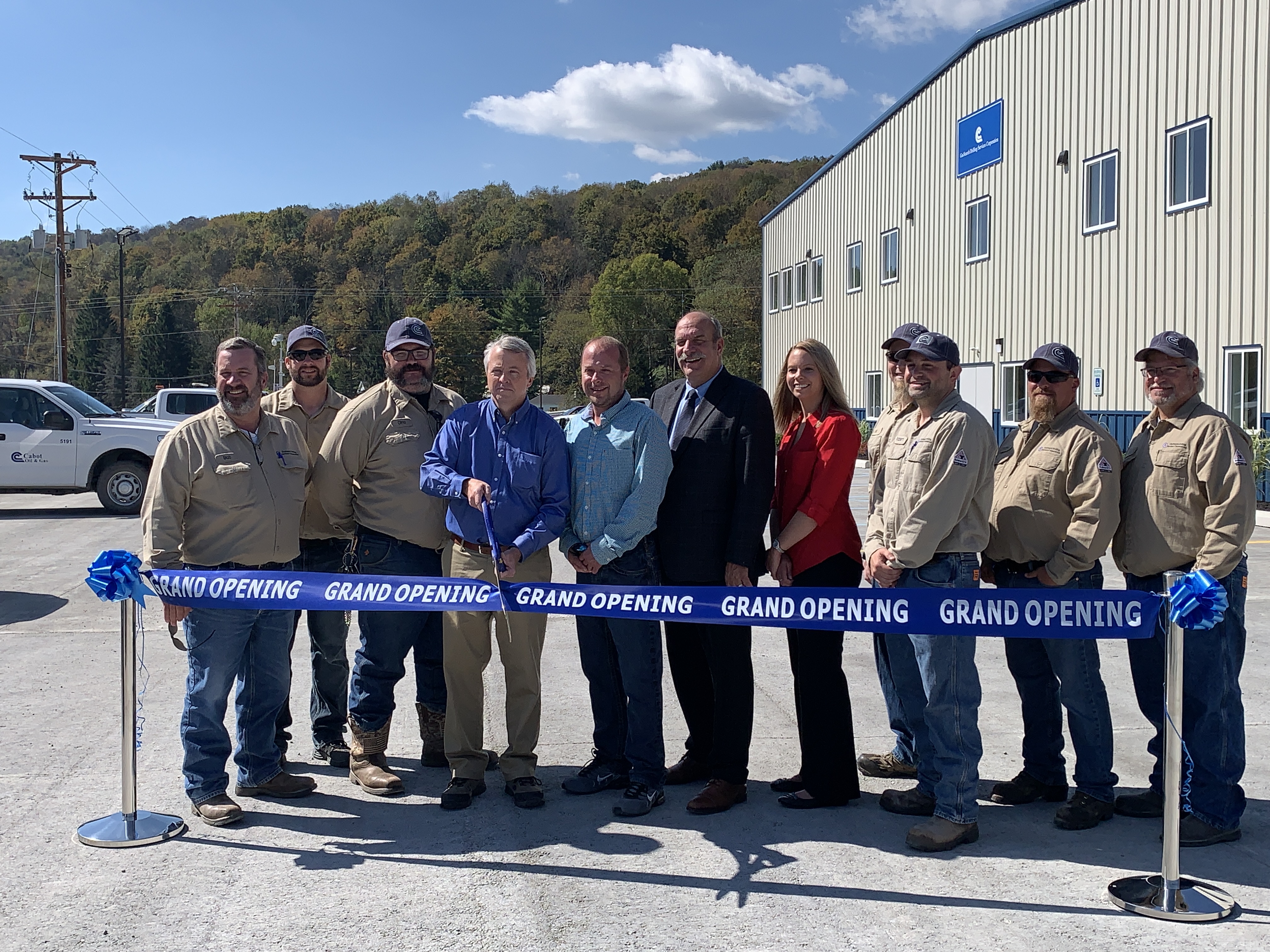
 The Consumer Energy Alliance (CEA) is calling attention to the “great untold story” in Ohio and across the nation, a story intentionally ignored over the past week of faux climate change protests by kids playing hooky from school. What is the untold story? That the United States in general, and Ohio in particular, is “leading the world in environmental stewardship and emission reduction.” How? Because of shale energy–specifically because of shale gas.
 Not everyone who lives in the Greater New York City area is falling for the bogus line by Gov. Andrew Cuomo that he’s not to blame for a natural gas shortage plaguing the region. As we’ve chronicled, endlessly, Cuomo ordered his Dept. of Environment Conservation to reject the Williams Northeast Supply Enhancement (NESE) pipeline project (see
  Last September MDN reported that Southwestern Energy was the very first driller to earn the label of producing “responsible gas” from the Independent Energy Standards Corporation (IES)–what they call their TrustWell™ Responsible Gas Program certification (see