
Antero 2017: Big Swing from Red into Black, 9 Long Marc. Laterals
 Lots of news coming out of Antero Resources, one of the Marcellus/Utica’s biggest (and best) drillers. Antero issued its fourth quarter and full year 2017 update, along with a statement about the company’s proved reserves, earlier this week. Perhaps the biggest news is that after losing $849 million in 2016, net income for Antero in 2017 was $615 million–a $1.4 billion swing (to the good) over the course of a single year! Average daily production in 2017 was 2.25 billion cubic feet equivalent per day (Bcfe/d)–a 22% increase over 2016. Zooming in on just the fourth quarter, Antero completed and placed on line 28 Marcellus and 10 Utica wells. Antero said they are getting into long laterals. Of the Marcellus wells drilled in 4Q17, nine had laterals over 12,000 feet, with two of those exceeding 14,000 feet in length (over 2.5 miles horizontally underground). Even with long laterals, Antero decreased the average number of days it takes to drill a well–from 15 to 12 (20% less). They also upped the amount of sand they use in fracking by 23%–to over 2,000 pounds of sand per foot. At the end of 2017, Antero estimates it had 17.3 trillion cubic feet equivalent of natural gas sitting in the ground that can be extracted using today’s technology at today’s prices (“proved reserves”). That 17.3 Tcfe is 12% higher than at the end of 2016. Below is the whole enchilada–two updates from Antero, excerpts from the analyst phone call, and the latest and greatest PowerPoint presentation…
Read More “Antero 2017: Big Swing from Red into Black, 9 Long Marc. Laterals”

 Two days ago we reported that the West Virginia House of Delegates was due to vote on House Bill (HB) 4268, the “Co-tenancy Modernization and Majority Protection Act” (see
  Pennsylvania Gov. Tom Wolf’s Dept. of Environmental Protection (DEP), the agency charged with overseeing oil and gas drilling in the state, “blindsided” the shale industry last week with a proposal to hike the fee required when submitting an application to drill a new shale well (see
  Corning Natural Gas Corporation, a subsidiary of Corning Natural Gas Holding Corporation, is a local distribution company (LDC, or “utility”) with nearly 450 miles of gas pipeline mains transporting natural gas to roughly 15,000 customers. Corning makes natgas deliveries in 23 towns and villages–over 400 square miles–throughout the Southern Tier and central regions of New York State. Corning, as you may know, sits virtually on top of the border of New York and Pennsylvania. On the NY side of the border, a tyrant governor (Andrew Cuomo) rules with an iron fist and blocks fracking and even natural gas pipelines. On the PA side of the border, Marcellus (and increasingly Utica) shale gas is extracted in large quantities, creating a bonanza of economic and (yes) environmental benefits. Fortunately for Corning Gas, they are able to tap into some of that PA Marcellus supply. Corning Gas has a 50% joint venture owner in Leatherstocking Gas Company and Leatherstocking Pipeline Company. Leatherstocking runs gas mains to residents and businesses in small communities, like Montrose, PA (see
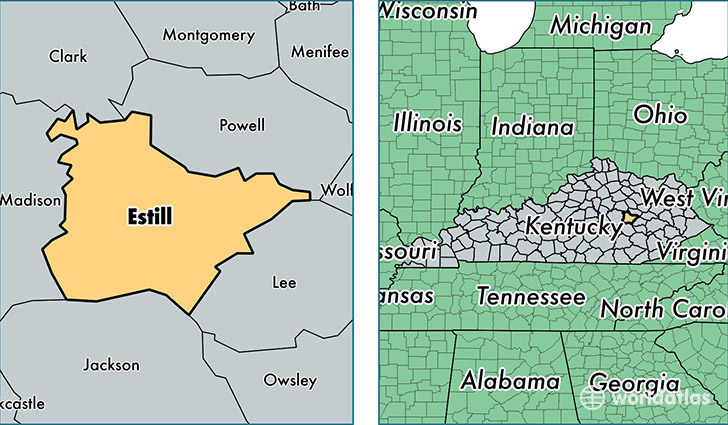
 Kentucky antis have gone to court to try and block a plan by Kinder Morgan to convert a portion of the Tennessee Gas Pipeline that flows natural gas from the Gulf Coast to the northeast, to reverse the pipeline and flow natural gas liquids from the Marcellus/Utica region to the Gulf. Part of the 964-mile project runs through Kentucky (see
  As we reported last week, President Trump’s marvelous tax cut has had some unintended (negative) consequences for pipeline companies (see
  The “best of the rest”–stories that caught MDN’s eye that you may be interested in reading. In today’s lineup: Huntley & Huntley begin seismic testing in Allegheny County; PA at severance tax crossroads; activists use Wayne Natl Forest decision to renew call for frack ban; Harrison County, WV votes to support local gas power plant; 24 rigs now operating in Ohio Utica; anti-pipeliners urge Mass. Gov. Baker to “break up” with natgas industry; Gulf Coast LNG soon expected to “dominate” world market; shale companies finally see profits; fossil fuel funding in Trump budget; bribery scandal sweeps through oil industry; and more!