PJM to Data Centers: Stop Bailing on the Grid Every Time It Blips
 Remember that July morning when 4,000 megawatts (MW) of Northern Virginia data centers yanked themselves off the PJM grid because of a routine, properly cleared fault on a single transmission line (see PJM: Data Centers Panicked, Nearly Crashed the Grid on Purpose)? PJM hasn’t forgotten either. On Sept. 8, PJM’s Planning Committee got its first look at proposed “ride-through” standards that would require big data centers and crypto mines to stay connected and keep drawing power when the grid wobbles — instead of hitting the eject button and running for their diesel generators. And PJM isn’t easing into it: new facilities entering the study process would have to demonstrate compliance starting Nov. 1, 2026 — about five weeks from now. Read More “PJM to Data Centers: Stop Bailing on the Grid Every Time It Blips”
 The Pennsylvania Farm Bureau (PFB) is one of the good guys. Probably 99% of the time, MDN is right there cheering PFB on — for private property rights, for sensible regulation, for keeping Harrisburg off the farmer’s back. But yesterday PFB released a 23-page paper making the case for a “temporary, limited moratorium” on large-scale data center development in Pennsylvania. This is the other 1%. We think PFB is wrong on this one, and we’ll tell you why. Politely. Friends are allowed to disagree.
  Another big data center is heading to western Pennsylvania, and this one plans to make its own power with a natural gas-fired plant, right next door to a shale gas well pad. A Florida LLC and a Coraopolis microgrid company have filed preliminary plans for the Misty Hollow Energy & Data Campus: a 1-million-square-foot data center and a 300-megawatt power generation facility on a former dairy farm along Prospect Road (PA Route 528) in Forward Township, Butler County. The site sits next to a PennEnergy Resources well pad, and the township engineer wants a letter from PennEnergy signing off on the plan’s revised access to that pad. The developer now confirms the 300 MW plant will run on natural gas, and it will power the campus “behind the meter,” off the grid.
 Alpha Compute Corp. (Nasdaq: ALP), the tiny AI outfit that wants to build a 200 MW gas-fired data center in Tioga County (see
  The Pittsburgh Tribune-Review (via the TribLive website) ran a big Saturday feature arguing that Western Pennsylvania’s drilling rebound is being driven by the data center boom. The legwork is real — five township officials, two activist groups, a CNX executive, a Pitt professor. The framing isn’t. The story gives readers three different answers to “how many wells does Pennsylvania have,” gets the cause of last year’s drilling backward, and then, twelve hundred words in, quietly disproves its own headline.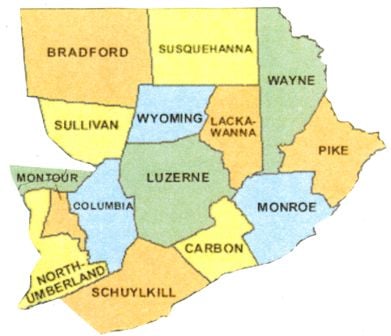
 The Upper Burrell Township (Westmoreland County, PA) Planning Commission hit the pause button Tuesday on recommending the township’s latest draft data center ordinance. The delay gives residents time to email their wish lists to supervisors before an Oct. 7 meeting. Supervisors hope to pass the ordinance at a special meeting in October, ahead of the Nov. 2 end of their data center moratorium, and Westmoreland County gets a say, too. The rules won’t touch TECfusions’ existing operations at the former Alcoa/Arconic campus, but they would govern new development there. Buried in the 26-page draft is a line that should make every Marcellus/Utica (M-U) driller and landowner sit up: every new data center must supply its own baseload power. And the township says its next project is writing rules for power plants.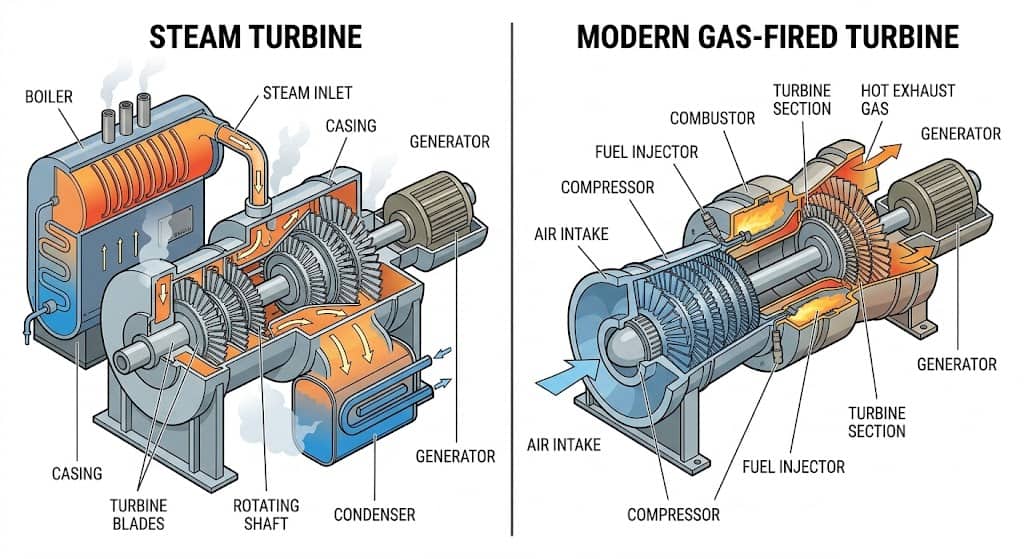
 A Syracuse University professor has published a paper in the Journal of the American Planning Association (JAPA) urging towns to treat AI data centers the way they treated fracking a decade ago. Syracuse’s PR department is billing it as “new research” that shows communities how to handle data centers. There’s just one problem. It isn’t really research—by the author’s own admission, no new data was collected. And several of the “facts” about fracking it leans on are flat wrong, especially about Pennsylvania.
  Pittsburgh-based Alcoa says it’s “very close” to selling its shuttered Massena East aluminum smelter in New York’s North Country to a data center developer. Here’s the part that other reporting left out: the buyer has been sitting on that site since 2017, wants to build a 635-megawatt (MW) computing campus there — and Gov. Kathy Hochul froze the whole thing two months ago with her data center moratorium (see
 A month ago, we took a press release that pointedly refused to name a county, did some division on a tax-assessment number buried in the fine print, and concluded that Alpha Compute Corp.’s (Nasdaq: ALP) proposed 200-megawatt gas-fired AI data center was headed for Tioga County (see