
PA House Dems Pass Bill Aimed at Banning New Data Centers
 Yesterday, the Pennsylvania House passed House Bill (HB) 1834 to regulate AI data centers, supposedly aiming to protect the electric grid and shield consumers from rising utility costs. Authored by Representative Robert Matzie (Democrat), the legislation requires data centers to use increasing amounts of clean, in-state energy and contribute to affordability programs like LIHEAP. While Democrats emphasize the need for safeguards against industry expansion, Republicans argue that the bill’s mandates could discourage investment and drive developers to neighboring states. The measure now heads to the state Senate, where it’s dead on arrival (DOA). Read More “PA House Dems Pass Bill Aimed at Banning New Data Centers”
 The tagline (remit) of Marcellus Drilling News is “Helping People & Businesses Profit from Northeast Shale Drilling.” Sometimes people can make money apart from leasing land and drilling. As we have pointed out many times, there is a direct connection between shale gas and the power generation market. Gas-fired power plants use (are HUGE customers for) natural gas extracted in the Marcellus and the Utica. AI data centers, which have burst on the scene over the past year or so, have an enormous appetite for electricity. Most of the electricity used to power data centers comes from gas-fired power plants, whether those plants are owned and operated by independent power operators, or (increasingly) owned and operated on-site by the data center itself. This is the story of one farmer in northeastern Pennsylvania who became a millionaire apart from shale drilling—by selling his small farm to a data center company.
  A supposed “group of rural Ohioans” in Adams and Brown counties is seeking a constitutional amendment to ban data centers exceeding 25 megawatts, citing concerns over resource consumption and a lack of local control. The “rural Ohioans” argue these massive facilities drain electricity and water supplies while providing few permanent jobs, often facilitated by secretive non-disclosure agreements between tech companies and officials. After submitting initial signatures to the Ohio Attorney General, supporters must gather approximately 413,000 more by July to reach the November ballot. Because modern AI-driven facilities typically require over 200 megawatts of power, this amendment would effectively ban large-scale data center expansion across the state. In its reporting, the media left out an important part of the story.
  Here’s a question: Do you want the government to be able to control your thermostat (turning it down in the winter, or up in the summer), controlling your water heater (making it cooler), or controlling your “smart” refrigerator (raising the ambient temp inside), or controlling other so-called smart appliances, bypassing *your* preferred settings? Would you like the government to be able to grab stored electricity from solar panels on your roof or from the battery in your charged-up EV during times of electric grid “stress”? That’s what Democrat members of the Pennsylvania state legislature want to do. It’s called a “virtual power plant,” and it’s being sold as a quick solution to power shortages without having to build new gas-fired power plants (or new windmills, solar farms, etc.). Creating a virtual power plant just takes a little software and a lot of apathy from citizens to make it work.
  The Energy Cooperative (TEC) has proposed a 24-mile-long, 24-inch natural gas pipeline across Licking County, Ohio, stretching from Bennington Township to the New Albany International Business Park. Estimated at $150 million, the project is designed to supply energy to a specific, unnamed data center, which will fully fund the construction. (We think we’ve identified the “unnamed” data center, which we’ll do below.) While TEC maintains the pipeline will enhance system reliability and stabilize pressure for its 58,000 members, the project faces scrutiny from local landowners. Concerns involve the potential use of eminent domain and the environmental impact on agricultural land.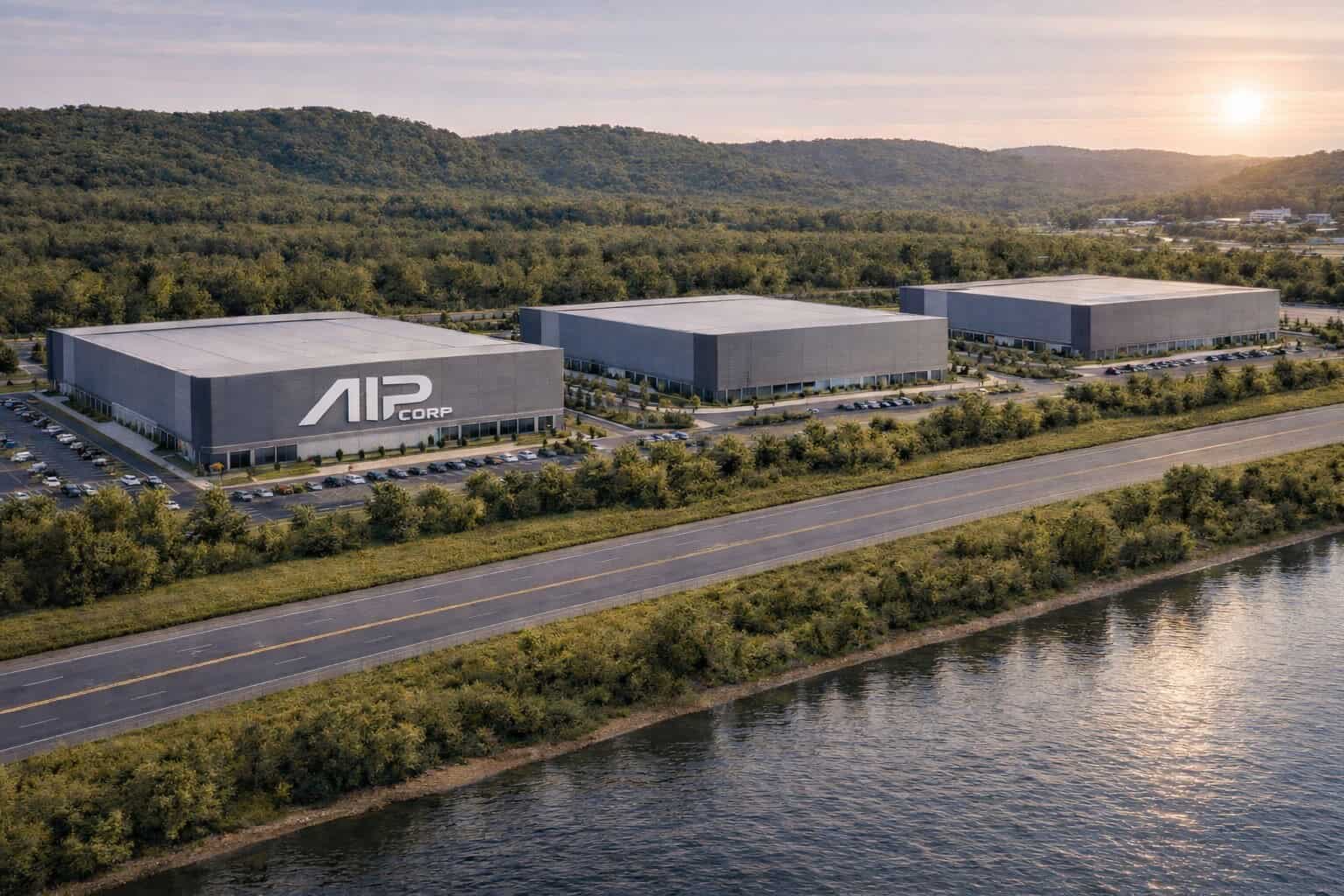
 The U.S. Energy Information Administration (EIA) reports that surging electricity demand, primarily driven by data center expansion and industrial growth, could significantly increase fossil fuel power generation through 2027. In a high-demand scenario, incremental power needs would likely be met by natural gas- and coal-fired plants, as generating capacity remains fixed in the short term. Consequently, natural gas generation could rise by 7.3%, while the projected decline of coal would slow significantly. This increased demand is expected to raise wholesale electricity prices nationwide.
  Even a leftist liberal putz like Pennsylvania Governor Josh Shapiro can have a good idea every now and again. (Credit where credit is due.) Shapiro is introducing what he calls GRID (Governor’s Responsible Infrastructure Development) standards to incentivize Pennsylvania data center developers to voluntarily adopt higher environmental and transparency benchmarks. In exchange for committing to water conservation, local hiring, and independent power generation, projects can access “Fast Track” permitting to accelerate construction.
  We won’t bore you with links to numerous stories we’ve written pointing out how the environmental left has pivoted from anti-fracking to anti-data center. We believe we were one of the first to make that observation (about a year ago). At any rate, one of the worst of the worst “environmental” organizations, Food & Water Watch (FWW), has all but abandoned its anti-fracking work to focus on opposing and blocking AI data centers. It’s absolutely, positively, anti-progress (not to mention anti-American). FWW’s latest campaign is aimed at convincing Congress and state legislatures (like Pennsylvania) to pass a three-year moratorium on building new data centers.
  A study by the Allegheny Conference on Community Development indicates that a proposed 500 to 700-megawatt hyperscale data center at the Zediker site in Washington County, PA, could generate $407 million for the local economy and create 2,364 jobs. Owned by CNX Resources Corp., the former coal mine is being marketed for generative AI facilities, leveraging nearby natural gas supplies and remediated mine gas to power the operation. While no official deal has been struck, the project is expected to yield $67.5 million in tax revenue, positioning the site as a transformative hub for high-tech investment and regional prosperity.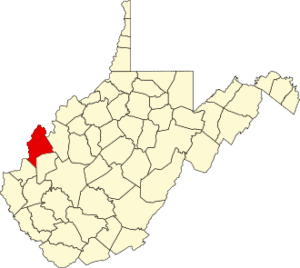
 Although there are legitimate concerns over data centers locating in populated communities (noise, water use, etc.), make no mistake: The anti-data center movement is nothing more than the anti-fracking movement in new clothes (see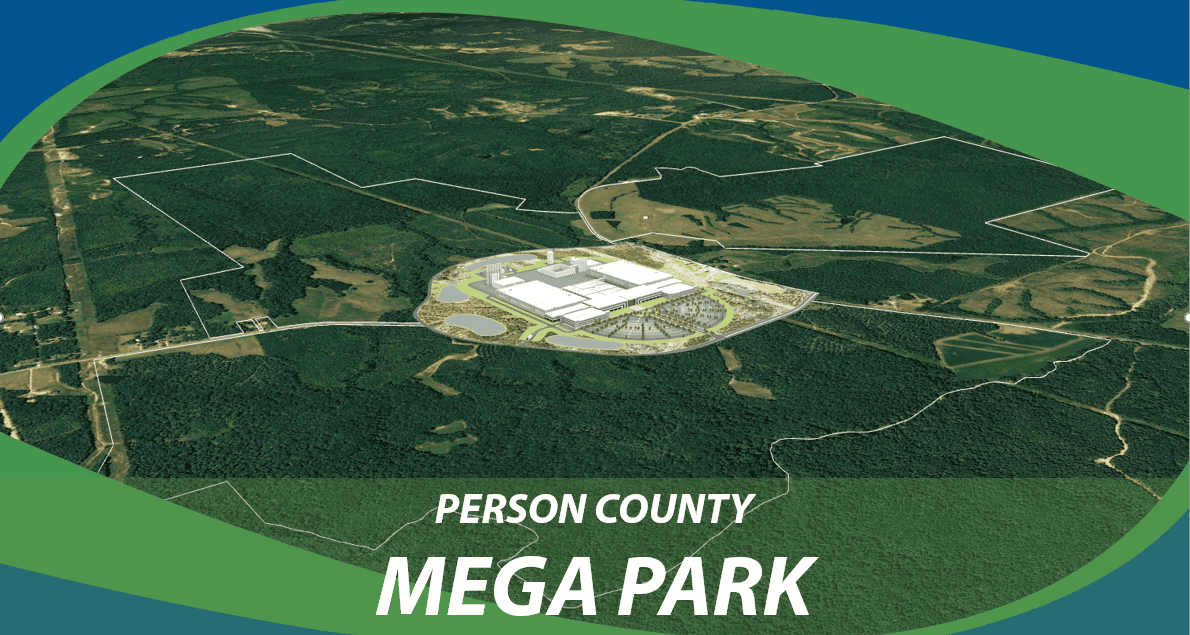
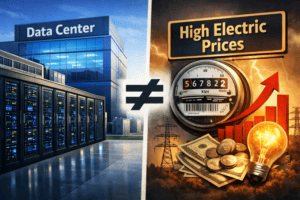 Despite political rhetoric scapegoating data centers for rising electricity costs, EIA data reveals that electricity price hikes began long before the data center industry’s expansion. States with high concentrations of data centers, such as Virginia and Texas, maintain residential electric rates below the national average, while Vermont has the fewest facilities but significantly higher costs. An excellent article appearing on RealClearEnergy identifies systemic issues—including aging infrastructure and regulatory inertia—as the true drivers of rising bills. Rather than blaming data centers, the article argues for modernizing the grid and aggressively increasing energy production to meet growing demand. Technology can actually create a more efficient, lower-cost electrical system.
  Virginia Senate Bill 253, introduced by State Senator Louise Lucas (D-Portsmouth), aims to shift energy infrastructure costs from residents to data centers, potentially saving households a whopping $65 annually. The legislation requires data centers—which account for 20% of Dominion Energy’s sales—to fund their own electrical substations and cover specific “capacity costs.” If the bill becomes law and the proposals in it receive approval from the State Corporation Commission (SCC), the typical monthly energy bill for data centers would rise by about 16%, while the typical bill for residential and other customers would decrease by 3% to 3.5%. Looks like Virginia, with more data centers than any other state in the union, is now closed for data center business. Too bad.