
Bitcoin Miner MARA Buys OH’s Long Ridge Gas Plant, Transload Site
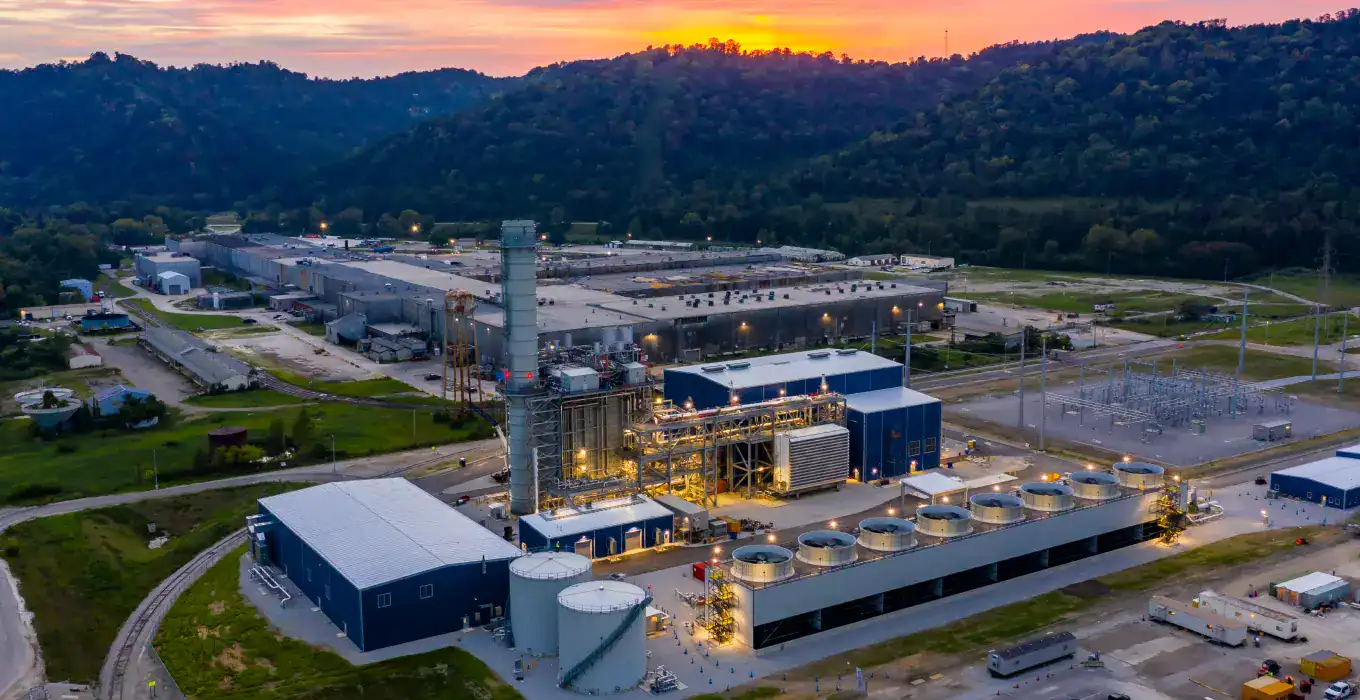
Long Ridge Energy & Power operates a 485 MW (nameplate 505 MW) combined-cycle natural gas power plant in Hannibal, Ohio, designed for eventual 100% hydrogen fuel usage. Located on a 1,600-acre site formerly used by an aluminum smelter, it serves the PJM grid and supports an integrated digital infrastructure/data center campus. Long Ridge has sort of morphed over the years. It originally served as a transloading terminal where frac sand and equipment used for shale drilling were hauled in by barge or rail and transferred to trucks. The transloading aspect of the terminal seems to be deemphasized these days. The new news is that the owner of Long Ridge, FTAI Infrastructure Inc., announced it is selling the facility and gas-fired power plant to MARA Holdings, Inc. for $1.52 billion. Read More “Bitcoin Miner MARA Buys OH’s Long Ridge Gas Plant, Transload Site”

 EQT Corporation delivered its latest quarterly update yesterday for the first quarter of 2026. EQT sees the materialization of “in-basin demand growth” improving Appalachian market conditions through the end of the decade. The company says it is positioned as a preferred partner for large-scale power, midstream, and data center projects in the region. EQT plans to continue drilling and completing a significant number of wells throughout 2026, indicating ongoing development in the Marcellus and Utica regions. However, the company is curtailing (restricting) 10-15 Bcf (billion cubic feet) of production during the second quarter due to current low prices.
  Last July, President Trump and Pennsylvania U.S. Senator Dave McCormick attended a meeting in Pittsburgh to announce an amazing $92 billion of private (no taxpayer funding) investment in the Keystone State, mainly in the data center sector (see
  AI data centers are in the news every single day. We don’t think it’s melodramatic to say that AI is changing the world right now. We also believe it’s accurate to say that everyone (yes, you reading this) will use AI at some level (if you don’t already) within the next year or two. AI, or artificial intelligence, requires, in the aggregate, millions of computers. All of those computers need a place to live (i.e., data centers). And those data centers need electricity to run. Tapping into the local electric grid is not a good option because it takes the grid years to plan, build, and add new sources of power. “Hyperscalers” (massive cloud service providers like Amazon’s AWS, Microsoft’s Azure, or Google’s Cloud, offering scalable, on-demand computing, storage, and networking resources) need to build data centers to house the computers that power AI today. Not years from now. This is a conundrum. A Pittsburgh battery company has partnered with a Houston, Texas, turbine maker to provide a natural gas-based solution ready in months, not years.
  MDN first tipped you back in July 2025 that the Democrat anti-fracking movement in Pennsylvania (and beyond) was rapidly becoming anti-data center (see
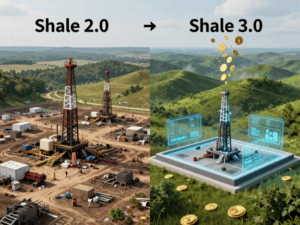 On February 2, 2026, Devon Energy and Coterra Energy announced a landmark $58 billion all-stock merger, creating a “Super-Independent” energy producer targeting the AI-driven surge in power demand (see
  Much as the Marcellus Shale boom revolutionized Pennsylvania’s economy, a wave of data center development is poised to drive Pennsylvania’s digital future. At a Williamsport-Lycoming Chamber of Commerce panel, experts from PPL Electric Utilities, Amazon Web Services, and the government discussed the immense power demands of this transition. With AWS investing $20 billion in two Pennsylvania-based data centers, the state is racing to catch up to neighboring states in the lucrative data center market. Unfortunately, it has already fallen behind.
  A study by the Pittsburgh Technology Council and Philadelphia Alliance for Capital and Technologies projects that Pennsylvania’s data center expansion will generate $12 billion in annual economic output and nearly 20,000 jobs by 2036. With a forecasted 4,000% increase in data center construction, the commonwealth is leveraging its status as a leading energy exporter and its $29 billion manufacturing sector to support global cloud infrastructure. By integrating robust natural gas and nuclear resources with data development, Pennsylvania is positioning itself as a leader in the AI economy. That is, IF antis don’t blow the opportunity by blocking new data centers (see
  Homer City Redevelopment, LLC has reached a significant milestone with the commencement of vertical construction, known as “first steel,” at the Homer City Energy Campus in Pennsylvania. Following extensive foundation work, the project has transitioned to above-ground construction, starting with the Gas Insulated Switchgear building. This facility is currently the largest natural gas-powered energy project under construction in the United States, replacing a decommissioned coal plant.
  Anti-progress and anti-fossil energy Democrats in Pennsylvania are doing their darndest to try to block new AI data centers from getting built in the state. Just last week, the Democrat-controlled House passed a bill to block new data centers (see
  CERAWeek 2026 was held in Houston, Texas, from March 23–27, 2026, focusing on “Convergence and Competition: Energy, Technology and Geopolitics”. The conference highlighted the accelerated pace of the “energy transition,” centering on energy security, skyrocketing AI power demand, infrastructure bottlenecks, and natural gas as a durable, competitive asset. In reviewing the reports published following CERAWeek, it’s obvious that natural gas was the belle of the ball.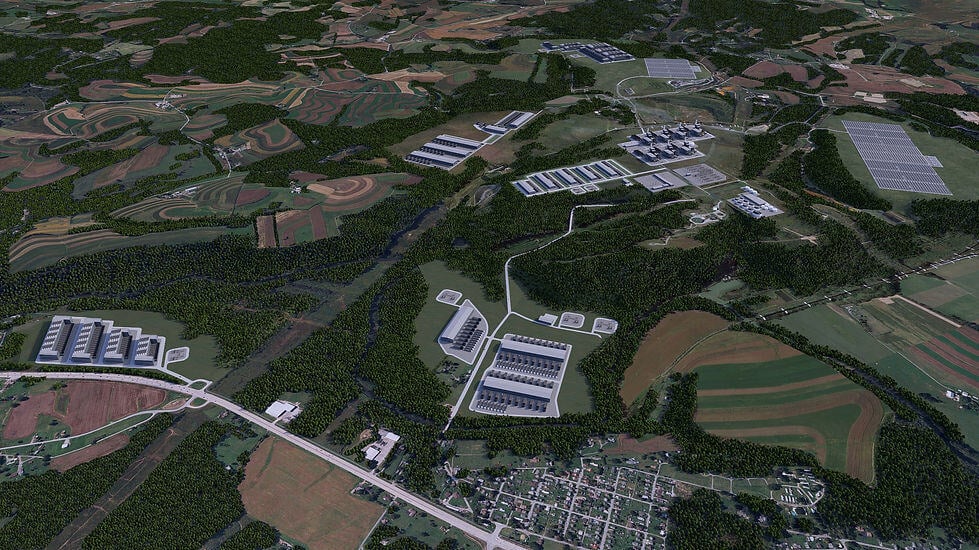
 Last week, we told you that a supposed “group of rural Ohioans” in Adams and Brown counties was seeking a constitutional amendment to ban data centers exceeding 25 megawatts, citing concerns over resource consumption and a lack of local control (see
  Last week, MDN told you about one landowner in Luzerne County, PA, who became an overnight millionaire after selling his small farm to a company planning to build a data center on the land (see