Allegheny County | Alta Resources | Antero Resources | Ascent Resources | Bradford County | Coterra Energy (Cabot O&G) | Energy Companies | EQT Corp | HG Energy | Jefferson County (OH) | Lewis County | Lycoming County | Ohio | Pennsylvania | Repsol | Seneca Resources | Southwestern Energy | Susquehanna County | Tioga County (PA) | Tyler County | Weekly Permits | West Virginia
Weekly Shale Drilling Permits for PA, OH, WV: Nov. 16-20
 Last week Pennsylvania issued 11 new shale well drilling permits, all but one of them in the northeastern (dry gas) part of the state. Ohio issued one new permit, and West Virginia issued 2 new shale well permits.
Read More “Weekly Shale Drilling Permits for PA, OH, WV: Nov. 16-20”
 The plot thickens in the $60 million FirstEnergy nuclear subsidy bribery scandal. Last week MDN brought you the news that Ohio’s Attorney General, David Yost, had filed a second lawsuit to stop the collection of money from ratepayers that funds $150 million annual payments to FirstEnergy provided for under the law known as House Bill 6 (see
 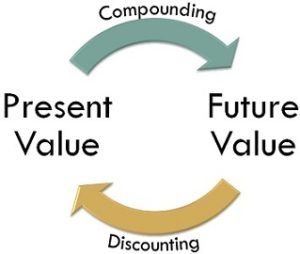 Yesterday Rising Phoenix Royalties (RPR) announced it has purchased the future royalty payments from a landowner in the Utica Shale, in Monroe County, OH. This acquisition is RPR’s third Marcellus/Utica transaction this year.
 We hoped it wouldn’t happen, but warned you it might when Gulfport Energy announced several weeks ago it had missed a debt payment and was in “restructuring” talks (see
  Once again PTT Global Chemical is changing the timeline for a final investment decision (FID) to build a $10 billion ethane cracker plant in Belmont County, OH–for the umpteenth time. The most recent timeline had a decision coming by the end of this year or in the first quarter of next year. Whoops, they did it again! The new timeline is now “at least the middle of 2021.”
 It’s all starting to come undone for FirstEnergy Corporation. Last week two of Ohio’s three largest cities sued to block annual $150 million payments to FirstEnergy’s Energy Harbor subsidiary on the basis those payments are ill-gotten gain, the result of FirstEnergy bribing government officials to pass House Bill 6 (HB 6) and keep it passed (see
  In July, now-former Ohio House Speaker Larry Householder and four of his associates were indicted for felonies related to an alleged $60 million bribery scandal in passing the hugely unpopular House Bill 6 (see