Electrical Generation | Energy Services | FirstEnergy | Industrywide Issues | Litigation | Ohio | Statewide OH
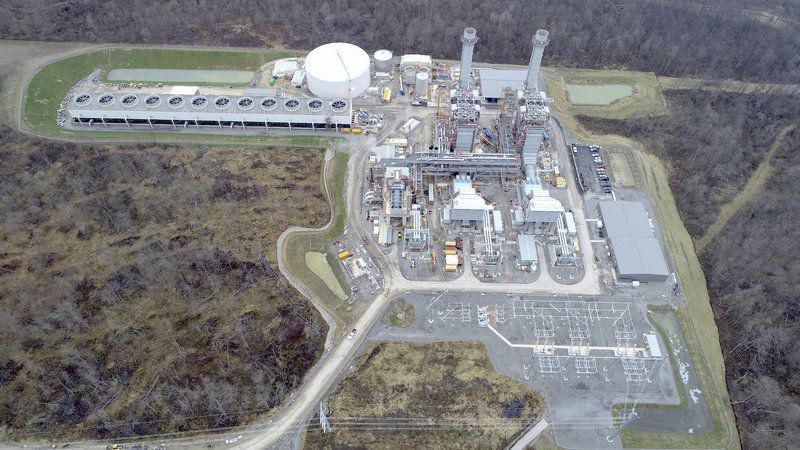
Legal Effort to Overturn FirstEnergy $1B Ohio Nuke Bailout Dead
 The Ohio Supreme Court, on Christmas Eve, threw a lifeline to an effort to overturn an Ohio law that provides corporate welfare in the form of $1 billion of ratepayer (taxpayer) money to FirstEnergy, which recently changed its name to Energy Harbor (see OH Supreme Court Keeps Door Open to Reverse $1B Nuke Bailout). Last week the Supremes snatched the lifeline away and the current effort to block the $1 billion bailout is officially dead.
Read More “Legal Effort to Overturn FirstEnergy $1B Ohio Nuke Bailout Dead”
 Listen up those interested in a new job working for the shale industry: JobNewsUSA.com is conducting an
 MARCELLUS/UTICA REGION: Coal-fired electricity generation in New England and New York has diminished; Trump popularity reigns in Ohio county tying its future to natural gas; Students are celebrating a small victory after Penn announced it won’t invest directly in some fossil fuels; South Philly refinery sale delayed, and will not be resolved this week; Equitrans adds 2 energy execs to its board of directors; Chevron CEO talks about the decision to pull out of Appalachia; OTHER U.S. REGIONS: BJ Services testing natural gas-fired turbine for frac crews in Haynesville Shale; Activists against gas-fired power plants rally at State Capitol; NATIONAL: U.S. onshore gas, oil production to ‘calm…not cease,’ says TIPRO; ‘All-electric’ movement picks up speed, catching some off guard; INTERNATIONAL: Britain plans to ban sales of new gasoline cars by 2035, but details are fuzzy; Coronavirus has OPEC in a panic.
 Pennsylvania House Bill (HB) 1100, aimed at attracting NEW petrochemical investment to the state, is due to be voted on (and passed) by the PA Senate this week. Gov. Tom Wolf (liberal Democrat) has vowed to veto the bill–denying the state billions of economic stimulus it could receive. Why the veto? Your guess is as good as ours. Likely because it will encourage more use of PA’s abundant natural gas supplies, and that doesn’t sit well with radicalized enviro types.
 Yesterday we received a somewhat strange note from the Delaware River Basin Commission. We’re subscribed to receive communications from the DRBC relating to the PennEast Pipeline project. The DRBC note says that PennEast has withdrawn their application seeking permission from the DRBC to use or discharge water from the basin during the construction of the pipeline project. DRBC doesn’t quite know what to make of the request and says they are “currently reviewing the letter” and have “no additional comment at this time.” Oooo…chilly.
 In January the Pennsylvania Dept. of Environmental Protection (DEP) finally, after more than a year, allowed Energy Transfer to restart the final bits of construction needed to complete the Mariner East 2 (ME2) pipeline project (see
 According to our favorite government agency, the U.S. Energy Information Administration (EIA), the price of natural gas will, on average, remain below $4 per thousand cubic feet (Mcf) for (gasp)–the next 30 years. You read that right. Lower for longer is, according to EIA, the reality for the next full generation. EIA recently released its “Annual Energy Outlook 2020” (full copy below). In addition to low gas prices, EIA predicts that so-called renewables will eclipse natural gas in electricity production by 2050. We say: When pigs fly.
 Last Thursday MDN editor Jim Willis had the pleasure of pre-recording an appearance on the radio program Shale Gas News, co-hosted by Jim’s friend Bill desRosiers (from Cabot Oil & Gas). We have the recorded segment below. In the interview, Jim offers up the main “threats” that he sees for the Marcellus/Utica (indeed all shale drilling) in 2020.
 EQT is working on a deal to sell an “overriding royalty interest” (future share of royalty revenues) generated from the company’s prolific Marcellus/Utica production in return for a cool $1 billion. That’s according to a Reuters article published on Friday.
 Late last week National Fuel Gas Company (NFG), the parent company of Marcellus/Utica driller Seneca Resources, issued its first quarter (everyone else’s fourth quarter) financial and operational update. NFG CEO and President Dave Bauer proclaimed, “Our team has done a great job cracking the code on our Utica development program” in Tioga County, PA. However, because of the ongoing pricemageddon with natgas prices in the basement, Seneca President John McGinnis said the company will drop to running a single rig for the balance of 2020.