
WV House Advances 2 O&G Bills: Orphan Wells & Faster Permits
 The annual 60-day legislative session in WV is now under way, beginning Jan. 8. The first bill of consequence introduced that would impact/help the oil and gas industry was House Bill (HB) 4001, designed to kick start a regional NGL hub and reassure China it’s OK to invest some of those promised $84 billion in the Mountain State (see WV Bill Would Establish Fund to Kick-start NGL Hub, Reassure China). Two more bills have now been introduced and appear to be on a fast track to adoption: HB 4090 (orphan wells) and HB 4091 (faster permits).
Read More “WV House Advances 2 O&G Bills: Orphan Wells & Faster Permits”
 Yes, 2019 was a tough year here in the Marcellus/Utica shale due to low natural gas prices drillers received for their gas. The U.S. Energy Information Administration says the average spot price for natural gas at the benchmark Henry Hub was $2.57 per million BTUs (MMBtu) in 2019. But the news gets worse. EIA says that in 2020, because of increasing natgas production without a corresponding increase in demand, they predict this year’s average HH price will sink to $2.33/MMBtu. That’s 9% lower this year than last.

 Last August MDN told you about a project in Keene, NH to convert an existing (antiquated) propane delivery system for the 1,200 customers in Keene over to cheaper, more abundant natural gas (see
 Yesterday MDN told you that 16 highly partisan, far-left Democrat attorneys general had filed comments opposing President Trump’s plan to allow LNG (liquefied natural gas) to be transported by special rail cars (see
 NATIONAL: Group intervenes in New York’s Exxon case, seeking communications with activists; The effect of oil prices on natural gas production; U.S. energy exports to climb as China pledges ramp-up in purchases; Better days ahead for battered oilfield services sector; Democrats’ Green New Deal becomes the CLEAN Future Act; INTERNATIONAL: Data “free-for-all” after talks with shale producers: OPEC.
 On Monday EQT, the nation’s largest natural gas producer (based in Pittsburgh) filed an update with the SEC to say it would write down the value (called an impairment) for some of it’s Marcellus/Utica assets–to the tune of $1.8 billion (see
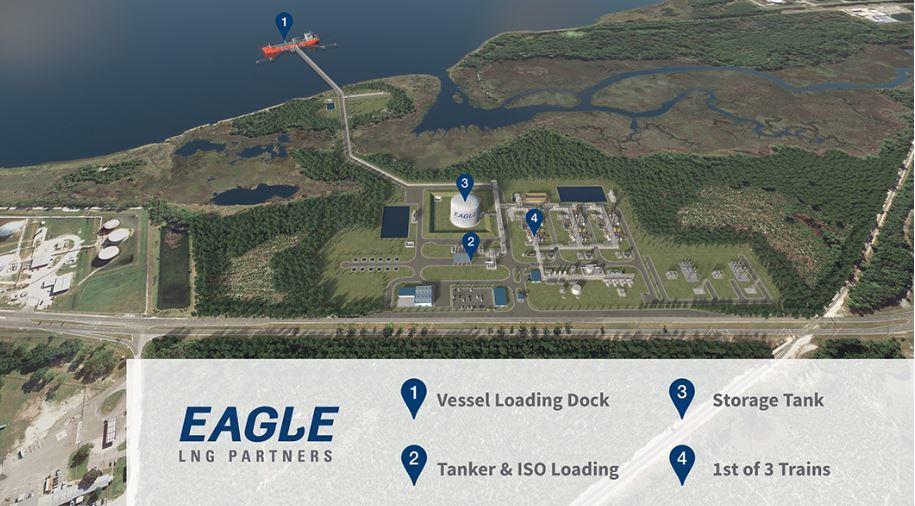
 A slight tweak and correction to a story we ran last week in which we speculated that the first four mini-trains at Kinder Morgan’s Elba Island LNG export facility are now up and running (see
 In December, Blackstone Infrastructure Partners, a major energy investment firm, announced it had cut a deal to buy the remaining shares of stock it doesn’t already own in Tallgrass Energy for $3 billion, with a plan to take the company private (see
 Last April President Trump issued an Executive Order directing the Secretary of Transportation to write a new rule allowing specially constructed tanker cars for railroads (DOT-113 tank cars) to ship LNG, i.e., liquefied natural gas (see
 In December 2017 MDN told you about the bastardization of our justice system by Michael Bloomberg. Bloomberg funneled money to New York University (NYU) School of Law which in turn pays to hire radical (Democrat) attorneys to work inside the offices of the attorneys general in 10 different states, including Pennsylvania (see
 BlackRock Inc. is the world’s number #1 asset manager–with nearly $7 trillion in investments. The company invests in a LOT of companies that produce or are dependent on the production of fossil fuels. Important company to our industry. BlackRock CEO Larry Fink, in a pair of letters (one to CEOs and one to investors) has just signaled BlackRock will begin to move away from fossil fuel investments. But (and this is a big but), it won’t happen overnight.
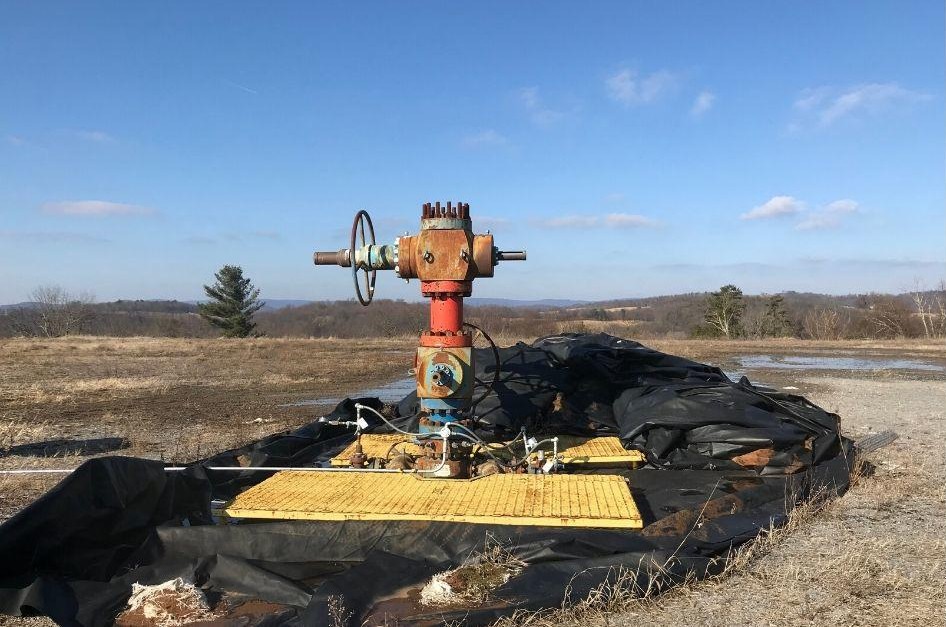
 A long-simmering dispute between the Pennsylvania Dept. of Environmental Protection (DEP) and Range Resources has once again erupted into the public over allegations that a Range well drilled in Lycoming County, PA back in 2011 is leaking methane into the surrounding ground and water supplies. The DEP has, for years, maintained faulty cement casing allows methane to leak, and Range maintains methane was already in the ground/water supply before it drilled the well. Who’s right?