
Proxy War: ISS Supports Rice Brothers, Glass Lewis Supports EQT
 Early on Friday, Institutional Shareholder Services (ISS), which makes recommendations to shareholders on how to vote in proxy fights, gave their stamp of approval to Toby and Derek Rice’s “activist” board takeover picks. ISS is heavily influential with institutional investors–organizations like hedge funds, mutual funds, and pension funds. We thought, “Oh oh, it’s all over now. The Rice boys have won.” But not so fast. Late Friday a second highly influential service that institutional investors look to for guidance, Glass Lewis & Co., threw their support behind the EQT slate of board candidates. The two most influential guidance services have split their support. What will shareholders do?
Read More “Proxy War: ISS Supports Rice Brothers, Glass Lewis Supports EQT”
 When the Federal Energy Regulatory Commission (FERC) fiddles around and blows important deadlines, there are consequences. In January 2018, Dominion Energy filed a request with FERC to expand capacity along the existing Dominion Energy Transmission Inc. (DETI) pipeline, to flow Pennsylvania Marcellus gas into Ohio (see

 Two weeks ago MDN provided a list of Marcellus/Utica pipeline projects for which the Federal Energy Regulatory Commission (FERC) is withholding approvals, unnecessarily, due to Democrat commissioners gumming up the works over mythical global warming concerns (see
  In a sad development, the Independent Oil & Gas Association of New York (IOGANY) is losing its superb executive director, Brad Gill (an MDN friend), and its paid office staff, in an effort to cut expenses. The administration of Governor Andrew Cuomo has been hostile to the oil and gas industry in NY–not only with a ban on fracking, but also with new environmental regulations that affect conventional drillers. Cuomo’s actions are having a negative effect on O&G in NY, and IOGANY is dealing with the fallout as best they can. The board of directors is slimming down and will now handle the day-to-day affairs of the association. Along with several other current directors, Brad will remain involved with IOGANY but in a different capacity while he pursues his other oil and gas interests.
 MARCELLUS/UTICA REGION: Hundreds enjoy horn-based bands at Peoples Natural Gas Park; Market impacts of Philadelphia Energy Solutions’ refinery shutdown; OTHER U.S. REGIONS: Oregon Republican senators end walkout over carbon bill; NATIONAL: Is the climate change debate a replay of the Reformation?; Oil services sector ripe for restructuring to boost tight profit margins; INTERNATIONAL: WoodMac: Chinese tariffs having limited impact on US LNG; World’s only natural gas-to-gasoline plant in operation in Turkmenistan; How U.S. LNG plays havoc with Dutch gas and Asian shipping.
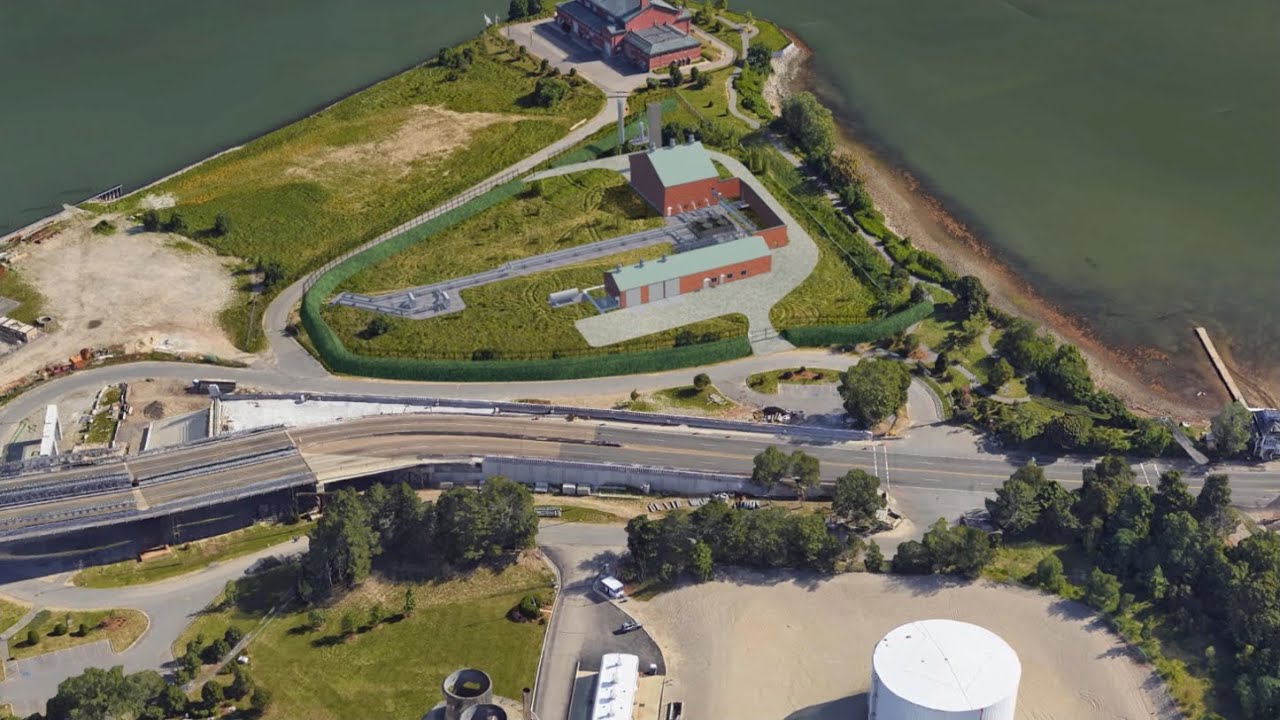

 Oilfield services company (OFS) Mammoth Energy Services, headquartered in Oklahoma City, OK, operates in the Marcellus/Utica Shale, Permian Basin, SCOOP/STACK in Oklahoma, and in Canada’s oil sands region. Mammoth not only works in OFS, they also dabble in electrical transmission and distribution (“T&D”) work. Following the 2017 disaster when Hurricane Maria devastated Puerto Rico, Mammoth was hired to help rebuild the electric utility infrastructure on the island (see
  Pieridae Energy wants to build an LNG export plant in Nova Scotia, Canada. The project is called the Goldboro LNG project. Nearly a year ago we told you that Pieridae had purchased a small natural gas producer in Western Canada to help provide supplies of gas to the East Coast plant (see
  It’s no secret that the U.S. Dept. of Energy (DOE) had a hand in the original research that resulted in the shale revolution. It was George Mitchell who pioneered the first shale wells–but he did so based on research performed by the federal government. The DOE’s Office of Fossil Energy remains active to this day in researching new and better ways to extract and use fossil fuels, much to the dismay of global warming fundamentalists. One of the ways Fossil Energy accomplishes its mission is to fund research projects by academic institutions–and even private companies. Fossil Energy has just announced a new round of $44.5 million in grants aimed at improving fracking (yes! fracking) technology, and improving our understanding of shale plays.