
PA-Based Talen Energy (Elec Generator) Sells NatGas Trading Biz
 Talen Energy was birthed in June 2015–a combination of PPL Energy Supply and certain assets of Riverstone Holdings. The company, headquartered in Allentown, PA, is one of the largest competitive energy and power generation companies in North America. Talen owns or controls 16,000 megawatts of generating capacity in wholesale power markets, primarily in the Northeast, Mid-Atlantic and Southwest regions of the U.S. Talen has gotten into converting and building natural gas-fired electric plants, stories we’ve covered over the past few years (see our Talen Energy stories here). At one time Talen employed around 500 people in Allentown at its HQ. In summer 2016 the company announced layoffs for 131 people. In May of this year, the trend continued (see Allentown-Based Talen Energy (Elec Generator) Laying Off Workers). Now comes word that the company is selling off its natural gas trading business for $54 million, transferring another 11 Talen employees from its Allentown HQ to the company buying the business. Talen considers buying and selling natgas on the commodities markets as “noncore” to its power generation business…
Read More “PA-Based Talen Energy (Elec Generator) Sells NatGas Trading Biz”
 In April 2015 Kinder Morgan’s Tennessee Gas Pipeline (TGP) subsidiary filed an application with the Federal Energy Regulatory Commission (FERC) to build 8.2 miles of new looping pipeline in Tioga County, PA and beef up two compressor stations in Bradford County, PA. The $142 million project is called the Susquehanna West Project. It will increase capacity along the 300 Line section of TGP, bumping it up by 145 million cubic feet per day (Mmcf/d). All of the extra capacity is spoken for by Statoil and the wells they’ve drilled in NEPA. Last September, FERC approved the project (see
  In August MDN brought you the sad news that the U.S. Court of Appeals for the Second Circuit has ruled against the Constitution Pipeline and their lawsuit against the Cuomo-corrupted New York Dept. of Environmental Conservation (see
  Environmental radicalism has now fully metastasized at the New York Dept. of Environmental Conservation (DEC). The organization is nothing more than a political tool of the environmental far-left (and corrupt Gov. Cuomo), as evidenced in the DEC’s latest outrageous decision to deny federal water crossing permits to a 7.8 mile pipeline to feed an electric power generating plant in Orange County, NY–a plant currently under construction. The reason for the rejection? NOT because of any so-called harms to the environment due to crossing streams–the reason for the permits. No. But because, says the DEC, the Federal Energy Regulatory Commission (FERC), which evaluated the power plant project, didn’t take into consideration the plant’s potential contribution to mythical man-made global warming. In other words, the DEC just admitted they have denied a WATER permit based on other (political) criteria–not the criteria on which they were legally bound to decide. We predict the DEC will get crushed when this is all over and done. But the problem is, it will take years to litigate. Meanwhile, the Competitive Power Ventures (CPV) Valley Energy Center will complete its construction and go online in early 2018–powered by much-dirtier fuel oil instead of clean-burning natural gas. Congratulations to all of the antis, and the DEC, who oppose the power plant project. You’ll now have even MORE so-called global warming (and air pollution in the region) because of your lunacy…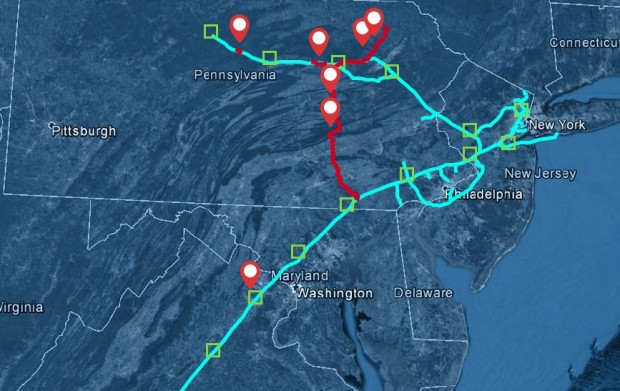
 We’re always on the lookout for news about a final investment decision by PTT Global Chemical to build a $5 billion ethane cracker in Belmont County, OH. Recently PTT spent $13.8 million to buy 168 acres at the proposed cracker plant site (see
 Last week MDN brought you the news that THE Delaware Riverkeeper had lost a federal lawsuit against Kinder Morgan’s Orion Project to expand the Tennessee Gas Pipeline in northeast Pennsylvania (see
  We don’t often highlight news from the Amazon-owned Washington Post, since much of its reporting is fake news (outright lies, many times), but this time we couldn’t resist. A Washington Post article published yesterday appears to contain at least some truth–about a group of Lancaster nuns. We’ve previously written about a group we call Sisters of the Corn. They stuck a few wooden park benches in the middle of a corn field that they own (leased to a local farmer), and called it a “chapel” so they can claim the planned Atlantic Sunrise Pipeline that will go through that field violates their so-called religious freedom. It’s a sham–backed by local radicals calling themselves Lancaster Against Pipelines. As we reported on Monday, a PA judge, in an eminent domain case, ruled against the Adorers of the Blood of Christ (see
  Yet more drama and intrigue in National Fuel Gas Company’s (NFG) lawsuit against the New York Dept. of Environmental Conservation (DEC). Three years ago NFG proposed and filed to build the Northern Access Pipeline project–a $455 million project includes building 97 miles of new pipeline along a power line corridor from northwestern Pennsylvania up to Erie County, NY. The project also calls for 3 miles of new pipeline further up, in Niagara County, along with a new compressor station in the Town of Pendleton. The Federal Energy Regulatory Commission (FERC) granted final approval for the project in February of this year (see
  Two New Jersey towns have sued in federal court, seeking to overturn a decision by the Federal Energy Regulatory Commission (FERC) to approve Williams’ Transco Garden State Expansion pipeline project. MDN brought you the happy news in April 2016 that three Obama-appointed FERC commissioners had approved the $116 million project (see
  Will anti-fossil fuel Big Green groups succeed in turning a molehill into a mountain? That’s what they are attempting to do with the latest tiny spill (50 gallons) of drilling mud by Sunoco Logistics Partners in underground drilling work for the Mariner East 2 pipeline project in Dauphin County, PA. Over the past several months, Sunoco has experienced some “inadvertent returns” (i.e. leaks) of drilling mud at various locations. One of those was in Chester County, where a serious leak temporarily fouled a water aquifer and clouded drinking water for 15 local households (see
  E2 Energy Services, which operates numerous natural gas processing facilities in the Marcellus/Utica, has just recapitalized “through an equity commitment from Tailwater Capital.” MDN first heard of E2 back in October 2014 when EnLink Midstream transferred ownership (“dropped down”) its investment in E2 Appalachian Compression, LLC and E2 Energy Services, LLC from one EnLink corporate entity to another (see
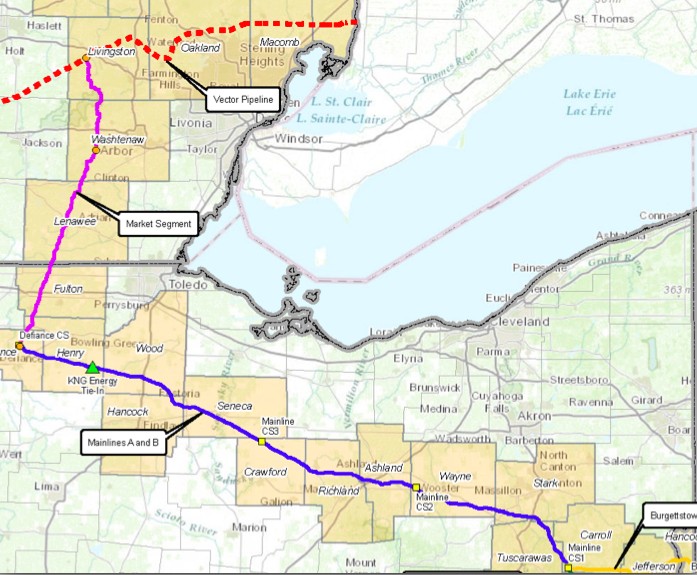
  Anti fossil fuelers committed to stopping (NOT rerouting) the newly approved NEXUS Pipeline in Ohio continue to pin their hopes on a meritless lawsuit against the Federal Energy Regulatory Commission (see